
Gut health is a key part of our overall well-being. It involves the balance of bacteria in our digestive system, known as the microbiome. This balance affects not just our stomach, but our body’s overall condition, including our mood, immune system, and risk for some diseases. What we eat plays a big role in maintaining a healthy gut. Foods rich in good bacteria, like certain yogurts and fermented vegetables, can help, while too much sugar or processed food can harm.
Today, technology and innovation are changing how we approach health, including gut health. There are apps that help track what we eat, devices that monitor our digestive health, and platforms that provide personalized diet plans. These tools make it easier to understand the link between our diet and gut health, allowing us to make better choices for our well-being.
Understanding Gut Health
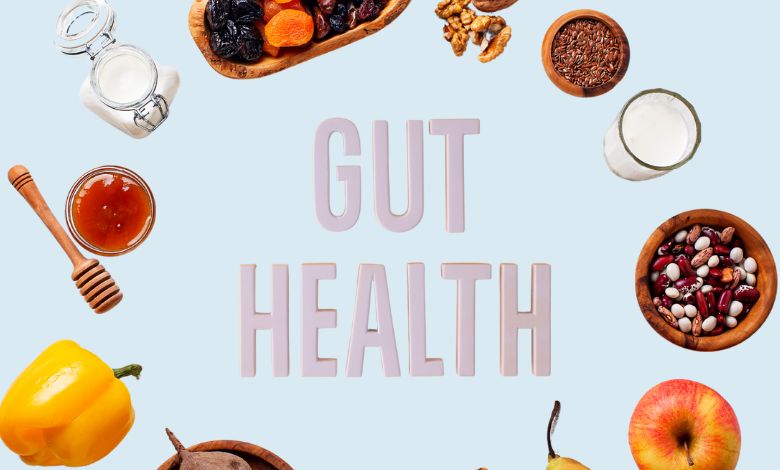
The gut microbiome is a complex and essential part of our body. It consists of trillions of bacteria and other microorganisms living in our digestive system. These microbes play a crucial role in our health and can affect not just our digestion, but also our immune system, mental health, and even the risk of developing certain diseases. A healthy gut microbiome helps break down food, absorbs nutrients, and keeps harmful bacteria in check. However, an imbalance in this microbiome can lead to various signs of poor gut health. Common issues include digestive problems like gas, bloating, constipation, and diarrhea. But the effects don’t stop there; an unhealthy gut can also cause skin irritations, such as eczema, and contribute to feelings of fatigue or tiredness. These symptoms indicate that the gut is not functioning optimally.
Lifestyle factors have a significant impact on gut health. Diet is at the forefront; eating a variety of whole foods rich in fiber can promote a healthy gut, while too much sugar and processed foods can harm it. Stress, too, plays a role. High stress levels can upset the delicate balance of the gut microbiome. Additionally, getting enough sleep is vital for gut health. Lack of sleep can disrupt the gut flora, leading to potential health issues.
By understanding the importance of the gut microbiome and recognizing the signs of an unhealthy gut, we can take steps to improve our health through mindful eating, stress management, and ensuring adequate rest.
Foods to Boost Your Gut Health
Probiotics are beneficial bacteria that support gut health, aiding in digestion and boosting the immune system. They can help balance the gut microbiome, which is vital for overall health.
Probiotic-rich foods include:
- Yogurt and Kefir: These dairy products are packed with probiotics. Choosing sugar-free, full-fat versions is advisable to avoid added sugars and benefit from their full nutritional profile.
- Fermented Vegetables: Sauerkraut, kimchi, and miso are excellent sources of live cultures. They not only add a burst of flavor to meals but also introduce beneficial bacteria to the digestive system.
- Traditional Fermented Drinks: Kombucha, a fermented tea, offers gut-friendly properties. It’s a refreshing alternative that contributes to a healthy gut microbiome.
Prebiotics: Nourishing the Good Bacteria
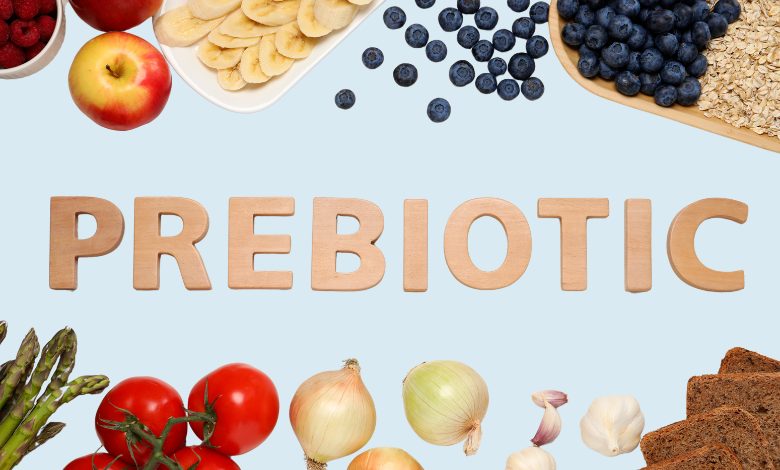
Prebiotics are dietary fibers that feed the good bacteria in the gut, helping them grow and flourish. They play a crucial role in maintaining a healthy gut environment.
High-fiber foods acting as prebiotics include:
- Vegetables: Asparagus, leeks, and onions are rich in fibers that support healthy gut bacteria.
- Fruits: Bananas, apples, and berries provide natural sugars and fibers that benefit the gut microbiome.
- Whole Grains and Nuts: Foods like oats, almonds, and legumes are excellent sources of prebiotic fibers, supporting digestive health.
Foods Rich in Polyphenols

Polyphenols are plant compounds that positively affect gut bacteria. They act as antioxidants, reducing inflammation and supporting overall gut health.
Examples of polyphenol-rich foods:
- Green Tea: Known for its antioxidant properties, green tea can enhance gut health by promoting the growth of beneficial bacteria.
- Dark Chocolate: Besides being a delicious treat, dark chocolate is high in polyphenols, beneficial for the gut microbiome.
- Berries: Berries are not only rich in vitamins but also polyphenols, making them excellent for supporting a healthy gut.
Incorporating these foods into your diet can support a healthy gut microbiome, contributing to overall health and well-being.
Foods to Avoid for a Healthy Gut
While many foods support gut health, some can disrupt the delicate balance of bacteria in our digestive system. Knowing which foods to limit can help maintain a healthy gut microbiome.
- High-Sugar Foods: Foods loaded with sugar can harm gut health by encouraging the growth of unwanted bacteria and yeasts. Reducing the intake of sugary snacks, beverages, and desserts can support a healthier gut environment.
- Processed Foods: Often high in additives and low in fiber, processed foods can negatively affect the diversity and number of beneficial gut bacteria. Opting for whole, minimally processed foods can benefit your gut health.
- Artificial Sweeteners: Some studies suggest that artificial sweeteners, found in many diet products, may disrupt the gut microbiome. It’s a good idea to limit products containing sweeteners like aspartame, saccharin, and sucralose.
Moderating certain foods can also contribute to a balanced gut:
- Red Meat: Consuming large amounts of red meat may lead to the production of certain compounds that can affect gut health. Enjoying red meat in moderation and opting for plant-based proteins or lean meats like chicken and fish can help maintain gut balance.
- Alcohol: While moderate alcohol consumption might not significantly harm, excessive intake can disrupt the gut microbiome. Limiting alcohol and choosing gut-friendly drinks like kombucha or water can support gut health.
By being mindful of these foods and making informed choices, you can help support and maintain a healthy gut microbiome.
Incorporating Gut-Healthy Foods into Your Diet
Adding gut-healthy foods to your diet doesn’t have to be complicated. With some simple steps, you can enjoy a diverse and balanced diet that supports your digestive health. Here are some practical tips for making these beneficial foods a regular part of your meals:
- Start Small: If you’re not used to eating a lot of fiber-rich or fermented foods, begin by introducing them into your diet gradually. Adding too much too quickly can lead to discomfort. Try incorporating a small serving of fermented foods, like yogurt or sauerkraut, into one meal a day, then gradually increase.
- Diversify Your Plate: Aim for a variety of colors and types of foods on your plate. Each type of food offers different nutrients and benefits, including those that promote a healthy gut. Include a mix of fruits, vegetables, whole grains, and lean proteins in every meal.
- Plan Your Meals: Take some time each week to plan your meals. This can help you ensure you’re including a range of gut-healthy foods throughout the week. When planning, think about how you can add probiotics and prebiotics to your meals. For example, choose recipes that include garlic and onions, or plan to have a side of kimchi or a small serving of kefir.
- Prepare in Advance: Meal preparation can save time and make it easier to eat healthily. Preparing batches of gut-friendly foods, like cooking a large pot of quinoa or chopping vegetables for easy access, can help you include these foods in your diet more consistently.
- Experiment with Recipes: Trying new recipes can make incorporating gut-healthy foods more enjoyable. Experiment with different ways to include fermented foods or high-fiber ingredients in your meals. For example, you might try adding miso to soups or making a smoothie with kefir.
- Listen to Your Body: Pay attention to how your body responds to different foods. What works for one person may not work for another. If a particular food doesn’t seem to agree with you, it’s okay to try something else. The goal is to find a balance that supports your gut health and overall well-being.
By following these tips, you can gradually introduce more gut-healthy foods into your diet, supporting your digestive health and enjoying the benefits of a balanced, nutrient-rich diet.
Conclusion
Gut health is fundamental to our overall well-being, influencing everything from digestion and immunity to mental health and risk of chronic diseases. The foods we eat play a pivotal role in maintaining the delicate balance of our gut microbiome. By choosing a diet rich in probiotics, prebiotics, and polyphenols, we can support the growth of beneficial bacteria and promote a healthy digestive system. Exploring new gut-healthy foods can be a rewarding journey towards better health. Each addition to your diet contributes to a more diverse and resilient microbiome. Remember, diversity in your diet promotes diversity in your gut, which is a cornerstone of good health. Taking care of your gut health is an investment in your overall health and well-being. Embrace the journey of discovering gut-healthy foods and consider incorporating technology into your wellness routine. Together, these strategies can lead to a happier, healthier gut and a happier, healthier you.