
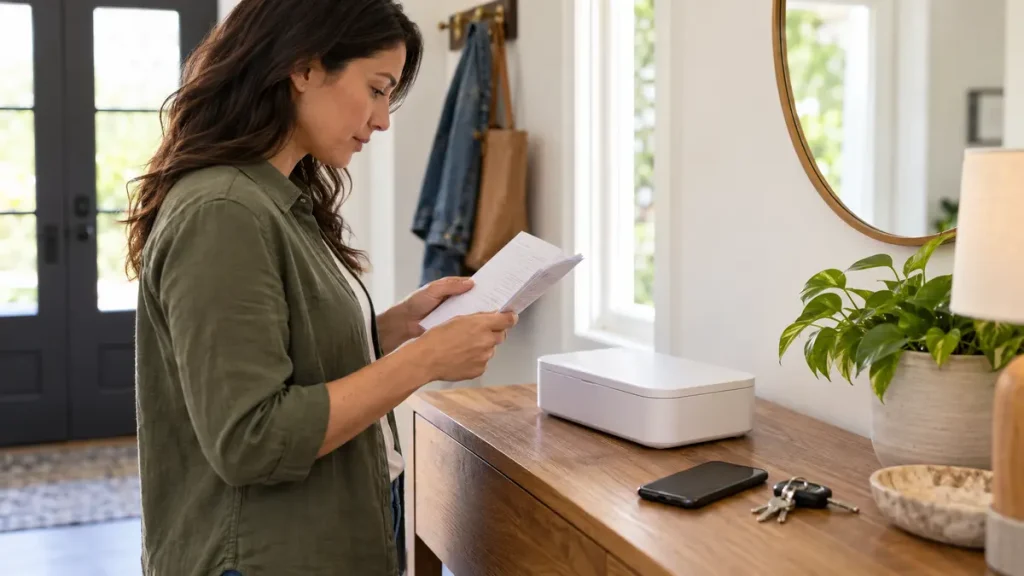
UV Sanitizing Devices: What Works and What Can Harm You
UV-C can reduce microorganisms, but safety and performance vary. Learn how to assess evidence, ozone risk, shielding, testing, and safer alternatives.
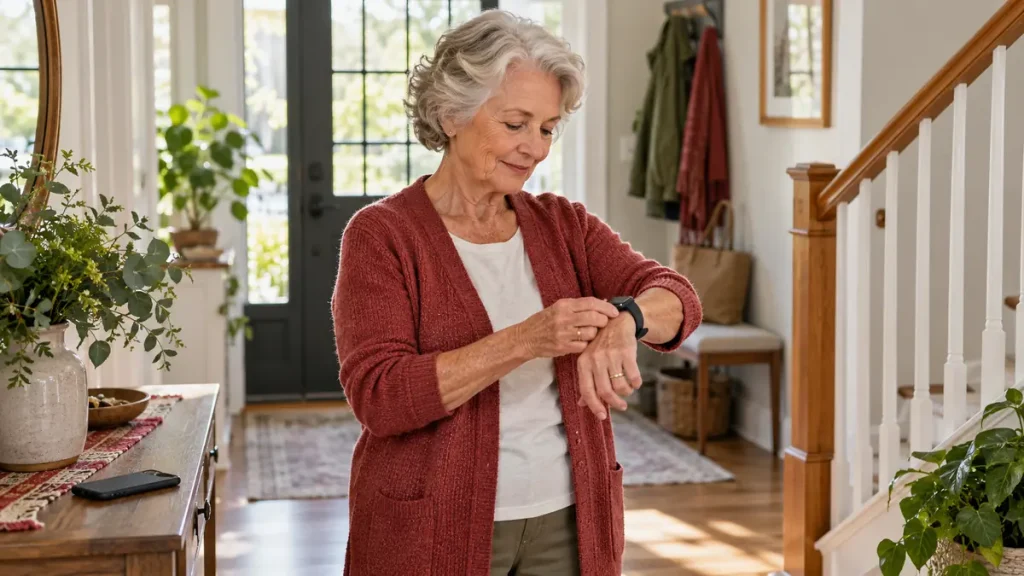
Wearable Fall Detection: What It Can and Cannot Do
Wearable fall detection can add a useful safety layer for older adults. Compare device types, limits, setup steps, and response planning at home and away.
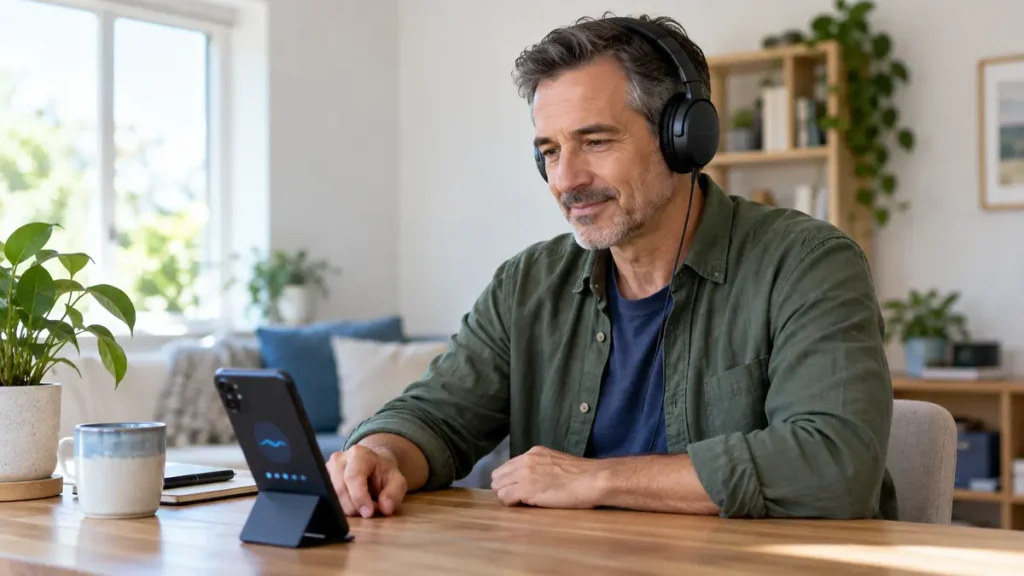
Smartphone Hearing Tests: Accuracy, Limits, and Next Steps
Smartphone hearing tests can be useful screens, but setup and validation matter. Learn how to test carefully, read results, and know when to seek care.
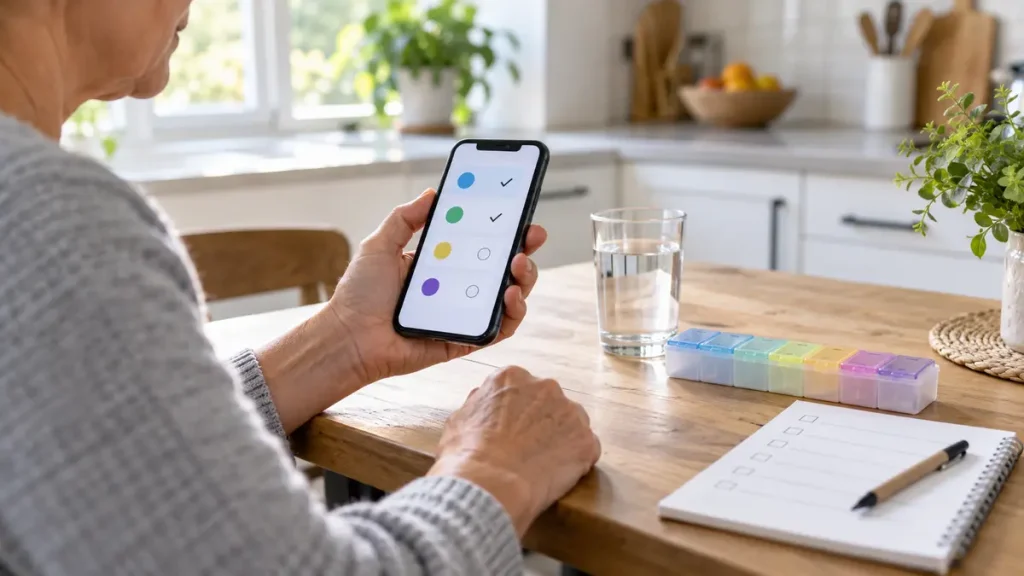
Medication Reminder Apps: Benefits, Limits, and Safety
Medication reminder apps may support safer routines when set up carefully. Learn the evidence, useful features, privacy checks, limits, and backup options.

Smart Scale Body Fat Accuracy: A Practical Guide
Smart scales measure weight directly but estimate body composition. Learn what affects accuracy, how to track trends, and when to seek professional context.

Home Spirometry: What the Numbers Can and Cannot Tell You
Home spirometry can support clinician-guided monitoring, but technique and device limits matter. Learn how to collect and interpret readings more safely.

Smart Ring Sleep Tracking: Accuracy and Safer Use
Smart rings can reveal sleep trends, but they do not measure sleep like a clinical study. Learn how to interpret scores, limits, symptoms, and privacy.

Home ECG Devices: Accuracy, Limits, and Safer Use
Home ECG devices can capture a useful rhythm strip, but automated labels are not diagnoses. Learn their limits, cleaner technique, and review steps.

Home Pulse Oximeters: Accuracy, Limits, and Safer Use
A practical guide to pulse oximeter accuracy, cleaner home readings, known limitations, skin-tone concerns, and safer interpretation of results.
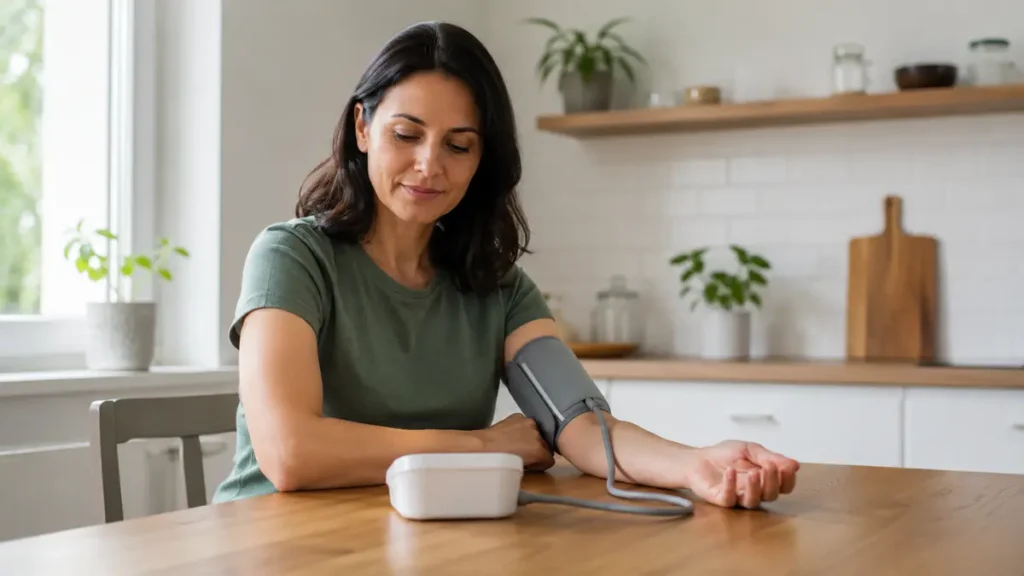
Home Blood Pressure Monitors: Accuracy, Cuff Fit, and When to Share Readings
Home blood pressure monitors can be useful, but accuracy depends on validation, cuff fit, technique, and knowing when to involve a clinician.