Protein is essential for health, and finding varied sources like cottage cheese and beans enriches one’s diet with not just high-quality protein but also vital nutrients. Cottage cheese, a fresh, soft cheese, is packed with calcium and vitamin B12, supporting bone health and aiding in weight management. Beans, diverse in types, are filled with fiber, iron, potassium, and magnesium, benefiting not only personal health but also the environment. Integrating these foods into daily meals offers a blend of proteins and essential minerals, making them practical choices for anyone aiming to maintain a balanced and nutritious diet. With their versatility in recipes and affordability, cottage cheese and beans stand out as accessible, healthful food options that contribute to a well-rounded dietary intake without compromising on taste or variety.
Why Protein Matters
Protein is a key component of every cell in the body and plays a crucial role in building and repairing tissues. It Is essential for the growth and development of muscles, bones, skin, and blood. Beyond its structural role, protein is necessary for the production of enzymes and hormones that regulate body processes, making it indispensable for overall health. Sources of protein like cottage cheese and beans are not only rich in this vital nutrient but also offer additional vitamins and minerals that support various body functions. Cottage cheese is particularly noted for its calcium and vitamin B12 content, which contribute to bone health and metabolic functions, while beans provide fiber, iron, potassium, and magnesium, supporting heart health and aiding digestion. The inclusion of both cottage cheese and beans in a diet ensures a varied intake of protein and other essential nutrients, supporting the body’s needs across different stages of life. The adaptability of these foods in recipes and their nutritional value highlight the importance of protein in maintaining a balanced and healthy diet, emphasizing the need for diverse protein sources to meet the body’s requirements for growth, repair, and overall well-being.
Cottage Cheese: A Protein Powerhouse
Cottage cheese stands out as a notable source of protein, crucial for maintaining muscle health and overall physical well-being. This soft, fresh cheese is distinguished by its mild taste and versatility, easily incorporated into various diets and recipes. In a typical serving of 100 grams, especially the low-fat variety, cottage cheese offers about 11 grams of protein, contributing significantly to daily protein needs. Beyond its protein content, cottage cheese is rich in calcium and vitamin B12, supporting bone health and aiding in metabolic processes.
Compared to many other types of cheese, cottage cheese is lower in fat and calories, making it a preferable option for individuals aiming to manage their dietary intake carefully. It is available in several forms, including nonfat, low-fat, and full-fat, catering to diverse nutritional preferences and requirements. The protein in cottage cheese is not only abundant but also of high quality, promoting satiety and potentially assisting with weight management strategies.
Its application in meals is varied—it can be enjoyed by itself, blended into smoothies, mixed with fruits, or utilized as an ingredient in cooking, thus enhancing the nutritional value of everyday foods. However, it is important to note that cottage cheese may have a higher sodium content; choosing a brand with lower sodium levels is recommended for those monitoring their sodium consumption.
The Benefits of Beans
Beans are not only a staple in various cuisines around the world but also a key source of plant-based protein. This section highlights the significance of beans as a rich source of protein, which is crucial for building and repairing tissues, supporting muscle health, and contributing to overall physical well-being.
Rich in protein, beans offer an excellent alternative to animal proteins, providing essential amino acids necessary for the body’s functions. The variety of beans, including black beans, chickpeas, lentils, and kidney beans, each brings a unique profile of proteins, making them versatile in meeting dietary needs. For individuals looking to increase their protein intake, beans are an affordable and accessible option, fitting seamlessly into meals across the day.
The protein in beans is complemented by other nutrients like fiber, which aids in digestion and promotes a feeling of fullness, contributing to weight management. Additionally, the presence of iron in beans helps in energy production, while potassium supports heart health. Emphasizing the protein content in beans not only underscores their nutritional value but also highlights their role in a balanced and sustainable diet. Opting for beans as a protein source aligns with health-conscious eating habits and supports environmental sustainability, given their lower resource requirement for cultivation. Beans’ adaptability in recipes—from main dishes to sides—further amplifies their appeal as a nutritious protein choice for any meal.
Combining Cottage Cheese and Beans for Optimal Nutrition
Merging cottage cheese and beans in a diet offers a powerful combination for optimal nutrition. Both foods are praised for their high protein content, which is vital for muscle repair, bone health, and overall body function. Cottage cheese, with its calcium and vitamin B12, enhances bone health and aids metabolic processes. Beans, on the other hand, bring fiber, iron, potassium, and magnesium into the mix, supporting heart health and digestion.
This combination not only meets the body’s protein requirements but also ensures a balanced intake of essential vitamins and minerals. The versatility of cottage cheese and beans allows for a variety of culinary uses, from simple snacks to main dishes. Incorporating both into meals ensures a balanced diet rich in nutrients necessary for maintaining health and well-being. Moreover, this pairing caters to different dietary needs, offering a sustainable and affordable option for those looking to enrich their diet with high-quality protein and other vital nutrient
How to Incorporate Cottage Cheese and Beans into Your Diet
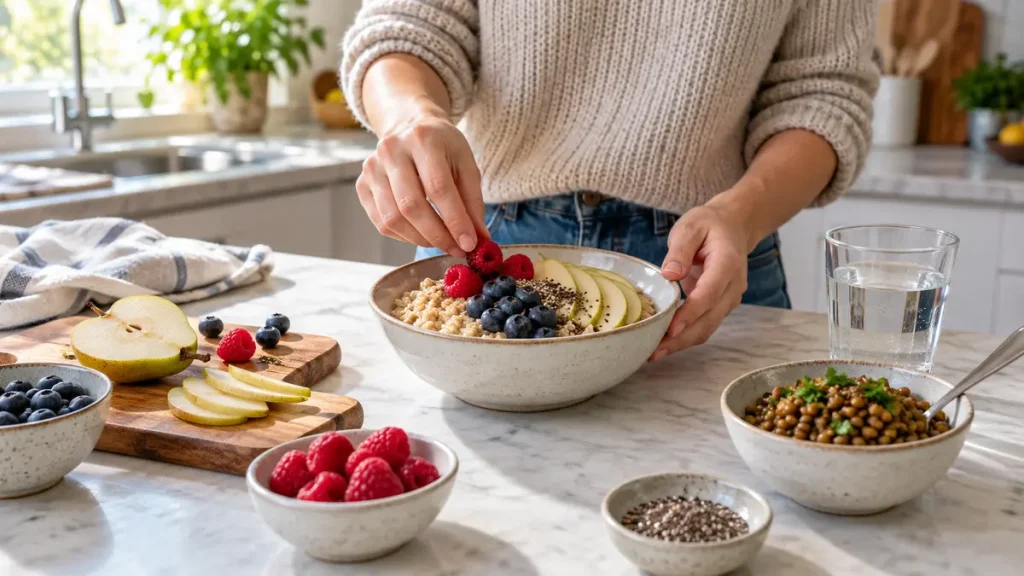
Breakfast Options: Kickstart mornings with a bowl of cottage cheese topped with a mix of berries, bananas, or peaches for a burst of flavor and nutrition. Alternatively, blend it into smoothies for a creamy texture and protein boost. Beans offer a hearty addition to breakfast; mix black or pinto beans into scrambled eggs or wrap them in a whole-grain tortilla with eggs and vegetables for a satisfying breakfast burrito.
- Snacks: Cottage cheese serves as a perfect dip for sliced vegetables like carrots, bell peppers, and cucumbers, or for whole-grain crackers, providing a protein-rich snack. For a bean-based snack, hummus made from chickpeas or a black bean dip can be paired with vegetable sticks or pita bread for a filling midday treat.
- Lunch and Dinner: Elevate salads by adding a scoop of cottage cheese for a creamy element that contrasts with the crisp vegetables. It can also be used to stuff bell peppers, mixed with spices and perhaps some rice, then baked. Beans can transform soups and stews into filling meals with added fiber and protein. They’re also great in salads, or when paired with rice, they create a simple yet complete protein dish that’s satisfying and nutritious.
- Desserts and Baked Goods: Cottage cheese can be a secret ingredient in pancake batter, making the pancakes softer and protein-rich. For a healthier dessert option, it serves as an excellent base for cheesecake, offering a lighter version of the classic treat. Beans, particularly black beans, can be pureed and added to brownie or cake recipes, enhancing the moisture content without altering the taste, while boosting the fiber and protein in these sweet treats.
- Creative Combinations: For an innovative approach, blend cottage cheese and beans together to make a nutritious spread that goes well on toast, offering a unique blend of flavors and textures. This mixture can also serve as a protein-packed base for pasta sauces, adding depth and creaminess to simple pasta dishes.
Incorporating cottage cheese and beans into various meals throughout the day becomes an easy and effective way to enjoy their nutritional benefits. These versatile foods not only enhance the protein content of dishes but also introduce additional flavors and textures, making meals more interesting and satisfying.
Conclusion
Incorporating both cottage cheese and beans into one’s diet presents a practical and nutritious strategy to enhance protein intake alongside other essential nutrients. Cottage cheese, with its high levels of protein, calcium, and vitamin B12, contributes significantly to bone health and metabolic function. Beans, rich in fiber, iron, potassium, and magnesium, offer benefits for heart health and digestion. Together, they provide a balanced array of proteins and nutrients vital for maintaining health and well-being. Their versatility in recipes makes it easy to include them in meals across the day, catering to diverse tastes and dietary needs. Opting for these foods supports not only individual health but also environmental sustainability, showcasing their value as part of a balanced and conscientious diet.