The choice between consuming sugar and opting for artificial sweeteners presents a notable dilemma. On one hand, sugar, a staple in many diets, is known for adding calories without essential nutrients, potentially leading to weight gain and associated health issues. On the other, artificial sweeteners offer a tempting promise of sweetness without the caloric load, sparking debates about their safety and long-term effects on health. Amidst this, there’s a noticeable shift towards healthier living, with more individuals seeking natural dietary options. This growing trend emphasizes not just the nutritional value of food, but also its ethical and environmental impact, steering away from processed alternatives in favor of more wholesome, natural choices. This introductory discussion sets the stage for exploring how we can sweeten our lives without relying heavily on sugar or artificial substitutes, aligning our dietary habits with the principles of ethical and sustainable eating.
Understanding Sugar and Its Effects

Sugar is a common component of many foods, providing sweetness and energy. However, it’s important to understand that sugar, especially when consumed in large amounts, can have negative effects on health. Eating too much sugar can lead to weight gain because it contains calories without essential nutrients. This weight gain can increase the risk of serious health issues, including diabetes and heart disease. Diabetes occurs when the body can’t properly manage blood sugar levels, and heart disease involves the heart and blood vessels. Both conditions are serious and can have long-term impacts on health.
Managing sugar intake is crucial for maintaining overall health. Reducing the amount of sugar consumed can help in preventing unnecessary weight gain and lowering the risk of developing diabetes and heart disease. It’s about finding a balance in the diet that includes enjoying foods in moderation while ensuring that the body gets the nutrients it needs. Making informed choices about sugar consumption is a step towards healthier living, aiming for a diet that supports well-being without sacrificing enjoyment of food.
The Truth About Artificial Sweeteners
Artificial sweeteners are often presented as a sugar alternative. They aim to provide the sweetness many people enjoy but with fewer or no calories, which can be appealing for those looking to manage their weight or reduce sugar intake. There are several points to consider about artificial sweeteners, including their safety, potential benefits, and areas of concern.
These sweeteners have been deemed safe by the Food and Drug Administration (FDA) after undergoing evaluation. The FDA has approved a list of artificial sweeteners, including saccharin, acesulfame, aspartame, neotame, and sucralose, as well as one natural low-calorie sweetener, stevia. These are commonly found in a variety of diet foods and beverages, marketed as “sugar-free” or “diet” options, from sodas to desserts. While the initial benefits of artificial sweeteners include the potential for weight management and reduced sugar consumption without sacrificing sweetness, there are also discussions around the implications of their long-term use. Some concerns have been raised about the relationship between artificial sweetener consumption and cravings for sweet foods, possible weight gain over time, and the psychological effects of substituting sugar with sweeteners.
Moreover, there’s an ongoing conversation about how artificial sweeteners might impact the body’s ability to associate sweetness with calorie intake, potentially leading to a preference for sweet foods. Despite these concerns, artificial sweeteners remain a popular choice for individuals looking to decrease their sugar intake while still enjoying sweet flavors in their diet.
Natural Sweeteners: A Healthier Alternative?
Natural Sweeteners Overview:
Natural sweeteners like stevia and monk fruit are popular among those wanting to avoid both traditional sugar and artificial sweeteners. They are derived from plants and considered to be more natural options.
Pros of Using Natural Sweeteners:
- Lower in Calories: Many natural sweeteners have fewer calories compared to regular sugar, making them a preferable option for weight management.
- Blood Sugar Management: Unlike sugar, substances like stevia do not cause spikes in blood glucose levels, beneficial for people managing diabetes.
- Dental Health: Natural sweeteners do not contribute to tooth decay and cavities as sugar does.
- Contains Antioxidants: Some natural sweeteners, like monk fruit, contain antioxidants, which can contribute to overall health.
Cons of Using Natural Sweeteners:
- Aftertaste: Some people might notice a different aftertaste when using natural sweeteners, which can be off-putting.
- Cost: Generally, natural sweeteners are more expensive than sugar and some artificial sweeteners.
- Limited Research: There is less research on the long-term effects of using natural sweeteners compared to traditional sugar and artificial sweeteners.
- Processing: While marketed as “natural,” some of these sweeteners undergo significant processing, which might reduce their natural benefits.
- Not Always a Direct Substitute: In cooking and baking, natural sweeteners might not always work as a direct 1:1 substitute for sugar, affecting texture and flavor of recipes.
While natural sweeteners offer benefits, especially for those looking to reduce calorie intake or manage blood sugar levels, they also come with potential drawbacks. The choice to use them should be based on individual taste preferences, dietary needs, and consideration of their limitations.
How to Sweeten Your Life Without Sugar or Artificial Sweeteners
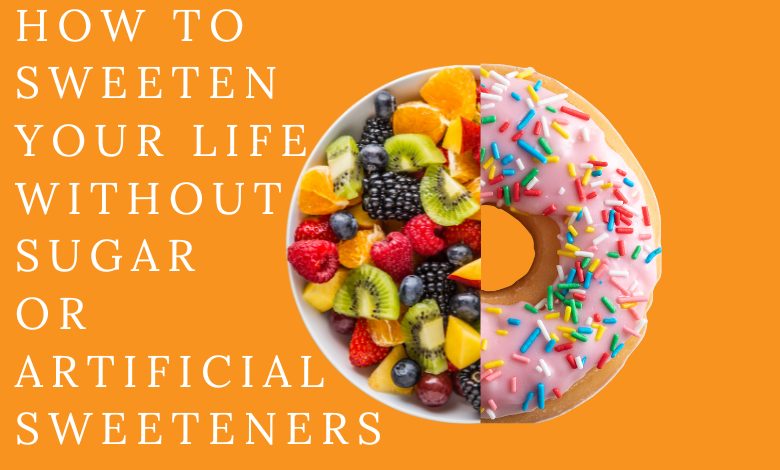
- Focus on Whole Foods: Choose unprocessed fruits, vegetables, and grains for natural sweetness and nutrition.
- Understand Food Labels: Learn to spot added sugars and artificial sweeteners in products.
- Use Natural Sweeteners Sparingly: Opt for stevia or monk fruit for a low-calorie sweetness.
- Eat Naturally Sweet Foods: Fruits can satisfy sweet cravings healthily.
- Experiment with Spices: Use cinnamon, vanilla, and mint to add flavor without sugar.
- Choose Healthy Drinks: Prefer water or herbal teas over sugary or artificially sweetened beverages.
- Make Your Own Desserts: Homemade treats allow control over ingredients and sweetness.
- Limit Dried Fruits: Enjoy them in moderation due to their concentrated sugar content.
- Adjust Your Taste Buds: Gradually reduce sweetness in your diet to lower your preference for sugary tastes.
- Watch Portion Sizes: Be mindful of quantities, even with healthier options.
These steps can help reduce reliance on added sugars and artificial sweeteners while still enjoying delicious, naturally sweet flavors.
Conclusion
Making informed dietary choices is crucial for maintaining long-term health. It’s essential to be mindful of our intake of sugars and artificial sweeteners, as these can significantly impact our well-being. Exploring natural ways to enjoy sweetness allows us to indulge in the flavors we love, without compromising our health goals. I encourage you to experiment with the natural sweetness found in whole foods, and to use spices and natural sweeteners to enhance your meals and treats. Each small step towards reducing sugar and artificial sweetener consumption can lead to substantial benefits for your health.