Lithium is a natural mineral found in the earth, water, and in many foods. It has a key role in supporting brain health. In the past, it was mainly known for helping with mood disorders. However, recent insights show that lithium also has potential benefits for the brain, especially as people get older. This includes helping to maintain mental sharpness and supporting the overall health of the brain.
Lithium and Aging: Preventive Measures for Brain Health
Lithium, a naturally occurring mineral, plays a crucial role in the health of the human brain. This mineral is involved in various processes that help maintain brain function and ensure its health over time. Particularly notable is lithium’s ability to support the brain’s structural integrity. It is associated with the maintenance of healthy brain cells, aiding in their repair and promoting the growth of new cells. Such actions are vital for the brain’s overall well-being, especially as it ages. The ability of lithium to assist in the preservation and enhancement of brain cell health contributes significantly to keeping the brain sharp, agile, and capable of performing its functions efficiently.
Moreover, lithium’s influence extends to the realm of emotional well-being. It plays a key role in mood regulation by contributing to the balance of brain chemicals that affect emotions. This balance is crucial for mental stability and helps individuals maintain a consistent mood over time. For older adults, the interest in lithium’s benefits is particularly pronounced, not only for its mood-stabilizing effects but also for its contribution to cognitive functions. These include essential skills such as memory, attention, and problem-solving abilities. While the discussion around lithium often revolves around higher doses for specific medical conditions, the focus here is on the nutritional aspect of lithium. Small amounts found in certain foods and water sources can play a significant part in supporting brain health and cognitive function, making it a mineral of interest for those aiming to preserve their mental acuity and emotional balance as they age.
Lithium’s Benefits Beyond Brain Health
Lithium, often discussed in the context of brain health, extends its benefits significantly into various aspects of overall well-being. These broader advantages make it a mineral worth noting for those interested in enhancing their quality of life and maintaining mental wellness.
- Mood Stabilization: Lithium plays a critical role in helping to stabilize mood. This stabilization is essential for day-to-day functioning, influencing everything from personal relationships to workplace productivity. By maintaining a balanced mood, individuals can experience improved interactions with others and an overall increase in life satisfaction, fostering a positive environment for themselves and those around them.
- Reduced Despair: Emotional health is a critical component of overall wellness. Lithium contributes to this aspect by lowering feelings of despair, which can be particularly beneficial during challenging times. By mitigating such feelings, lithium helps individuals maintain a more balanced emotional state, which is crucial for mental resilience and the ability to cope with life’s ups and downs.
- Stress Management: In today’s fast-paced and often stressful environment, the ability to manage stress effectively is vital. Lithium supports the body’s natural stress responses, aiding in the management of both acute and chronic stress. This support helps prevent the physical and psychological effects that stress can have, promoting better health and reducing the risk of stress-related conditions.
- Improved Emotional Well-being: Beyond its role in mood stabilization, lithium has a positive impact on overall emotional well-being. By contributing to a more balanced emotional state, it enables individuals to face daily challenges with a healthier mindset and improved mental clarity. This enhanced emotional well-being is key to navigating the complexities of modern life and achieving personal and professional goals.
- Enhanced Quality of Life: The cumulative effect of lithium’s benefits on mood stabilization, emotional health, and stress management translates into a significantly enhanced quality of life. Individuals may find themselves better equipped to enjoy daily activities, engage in meaningful relationships, and pursue their interests and passions. The ability to maintain a stable and positive mood fosters a sense of well-being that permeates various aspects of life, making lithium a valuable mineral for those seeking to improve their overall health and happiness.
Dietary Sources and Supplementation
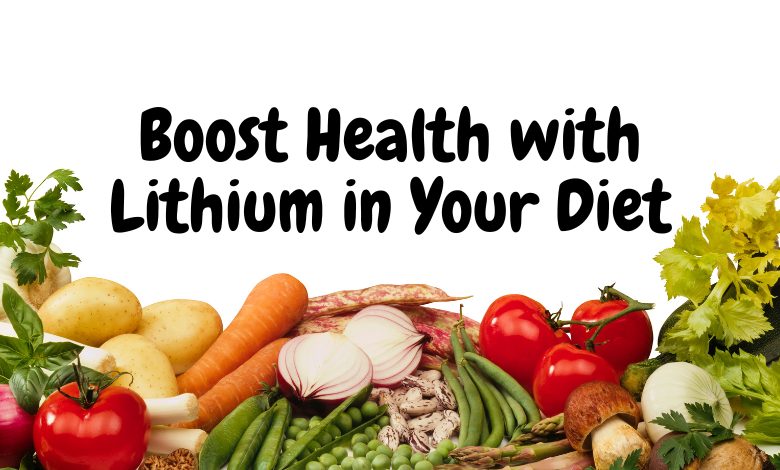
Incorporating lithium into one’s diet for health benefits involves understanding the natural sources from which it can be obtained and the option of using supplements for a more controlled intake. Here’s a concise overview:
Dietary Sources of Lithium:
- Grains: Some grains, especially whole grains, are sources of lithium. These include barley, oats, and brown rice, which can be incorporated into daily meals.
- Vegetables: Leafy green vegetables, such as spinach and kale, along with potatoes and tomatoes, contain trace amounts of lithium, contributing to its intake through a balanced diet.
- Mustard: As a condiment, mustard is not just a flavor enhancer but also a source of lithium, adding to its dietary presence in small amounts.
Dairy Products: Milk and other dairy products like cheese and yogurt can contribute to daily lithium intake, providing another source of this mineral through a regular diet. - Drinking Water: The amount of lithium in drinking water varies significantly depending on geographical factors and the water source. Some areas have higher lithium content in their water, contributing to the overall intake of this mineral.
Supplementation:
- Available Forms: Lithium supplements are available in several forms, including capsules, tablets, and liquids. This variety allows individuals to choose the format that best fits their preferences and lifestyle.
- Dosages: Supplements offer lithium in different dosages, making it easier to manage and adjust intake according to individual needs. It’s important to select a dosage that complements the diet without exceeding the desired amount.
- Controlled Intake: For those looking to ensure a consistent and specific amount of lithium in their diet, supplements provide a convenient solution. By choosing a supplement with the appropriate dosage, individuals can maintain a steady intake of lithium, which is especially useful if dietary sources are insufficient or variable.
Both natural dietary sources and supplements offer pathways to include lithium in one’s diet. While dietary sources provide a natural and varied means of consumption, supplements offer precision and consistency in dosage. Understanding these options allows individuals to make informed decisions on how best to incorporate lithium into their health regimen, taking into account their dietary preferences, lifestyle, and health goals.
Lithium’s Role in Preventing Mental Health Issues
Lithium, naturally present in various sources, plays a vital role in mental well-being, primarily through its influence on the brain’s neurotransmitters. These neurotransmitters are critical for mood regulation and communication within the brain. Lithium’s ability to modulate these chemical messengers helps in maintaining a balanced mood, an essential factor in preventing mood disorders. Such disorders often arise from imbalances in neurotransmitter levels, leading to extreme mood fluctuations. Consistent mood stability, facilitated by lithium, is fundamental not only for day-to-day functioning but also crucial for long-term mental health.
Beyond mood regulation, lithium supports the health and resilience of brain cells, preserving neural connections essential for cognitive processes and emotional regulation. This preservation is key to the brain’s ability to effectively process emotions, thereby reducing the risk of cognitive and emotional dysregulation-related conditions. Lithium also plays a role in managing the body’s response to stress, mitigating the adverse effects chronic stress can have on mental health. Chronic stress is a significant risk factor for various mental health issues, including anxiety and depression. Thus, lithium’s comprehensive impact on mood stabilization, neural protection, stress response modulation, and cognitive support underlines its importance in the prevention of mental health issues, making it a critical element in maintaining mental wellness.
Safety and Recommendations for Lithium Intake
- General Safety: Lithium, in small, nutritional amounts, is generally safe for most people, assuming intake does not exceed recommended nutritional levels.
- Mindful Intake: Careful consideration should be given to the source of lithium, whether from dietary sources or supplements, to ensure consumption is within safe limits.
- Natural Sources: Lithium can be found in various foods and certain types of drinking water, offering a natural way to include this mineral in the diet without drastic changes.
- Supplementation: Supplements provide a controlled method to consume lithium, available in different forms and dosages for ease of use and precise intake management.
- Importance of Dosage: Choosing the right dosage is crucial; starting with the lowest dose and observing the body’s reaction helps in identifying the optimal amount for individual health needs.
- Monitoring Responses: Regularly observing the effects of lithium on the body and mental health is important for adjusting intake to achieve desired benefits without adverse effects.
- Gradual Adjustments: Should adjustments be necessary, changing the amount of lithium intake gradually is advised to safely find the balance that best supports health and well-being.
This guidance aims to help individuals navigate the inclusion of lithium in their diet, highlighting the balance between leveraging its health benefits and maintaining safety.
Conclusion
Lithium, a natural mineral, has shown potential in supporting brain health and emotional well-being. Its role extends beyond mental health, offering benefits for stress management and overall quality of life. While lithium can be obtained from dietary sources such as certain foods and water, supplements offer an alternative for those seeking a more consistent intake. Safety and careful consideration of dosage are essential when incorporating lithium into the diet, whether through natural sources or supplementation. This approach ensures individuals can explore the benefits of lithium while minimizing potential risks. As interest in natural health support continues to grow, lithium stands out for its broad range of benefits, making it a mineral worth considering for those looking to enhance their well-being.