
In our search for better health and a kinder planet, the food we eat is more important than ever. Many people are looking for food that’s not just good for them but also good for the environment. This has led to a growing interest in two particular foods: eggs and tofu. Both of these foods offer proteins, which are building blocks for our bodies. But they come from very different sources. Eggs are from chickens, while tofu comes from soybeans, a plant.

Eggs have long been a favorite for their nutritional value, providing a lot of protein in a small package. They’re also versatile, meaning they can be cooked in many ways. On the other hand, tofu is gaining fans for its plant-based protein, which is good for those looking to eat less meat. It also has a low impact on the environment, using less water and land than animal farming.
Both eggs and tofu can be part of a healthy diet. They offer different benefits and can be good choices depending on your health goals and concerns about the planet.
The Rise of Alternative Non-meat Proteins
The rise of alternative non-meat proteins marks a significant shift in dietary trends across the globe. As awareness about health, environmental sustainability, and animal welfare increases, more people are turning to plant-based sources of protein. This shift is driven by the understanding that non-meat proteins can provide essential nutrients without the environmental impact associated with traditional livestock farming.
Non-meat proteins, such as legumes, nuts, seeds, tofu, and tempeh, have become popular for their versatility, nutritional benefits, and lower ecological footprint. These sources are rich in protein, fiber, vitamins, and minerals, offering a complete nutritional profile that supports various health benefits, from improved heart health to better weight management.
Furthermore, the innovation in food technology has led to the development of a wide range of plant-based meat substitutes that mimic the taste and texture of meat, making the transition easier for those looking to reduce their meat consumption. These alternatives are not just for vegetarians or vegans but also for anyone interested in diversifying their protein sources and reducing their impact on the planet. The rise of alternative non-meat proteins reflects a growing movement towards more sustainable and health-conscious eating habits.
Tofu: A Sustainable Protein Powerhouse
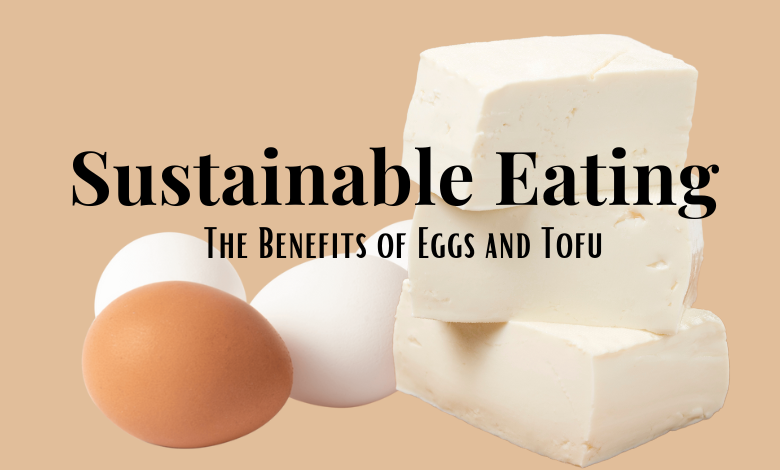
Tofu is often celebrated as a leading choice for those seeking plant-based protein options. Made from soybeans, it stands out for its environmental benefits and nutritional value. The process of making tofu involves grinding soybeans into milk and then coagulating this milk to form curds, which are pressed into the solid blocks we recognize as tofu. This method is resource-efficient, requiring less water and land compared to the production of animal proteins. As a result, tofu has a lower environmental footprint, making it a favorite among environmentally conscious people.
Nutritionally, tofu is a powerhouse. It provides a good amount of protein, essential for building and repairing tissues in the body. Additionally, tofu contains all nine essential amino acids, making it a complete protein source, similar to meat and eggs. But unlike many animal-based proteins, tofu is low in saturated fats and contains no cholesterol, which is beneficial for heart health. It’s also a versatile food item that can be used in a variety of dishes, from stir-fries to smoothies, adapting well to the flavors of the ingredients it’s cooked with.
The growing interest in sustainable eating and plant-based diets has put tofu in the spotlight as a sustainable and nutritious alternative to meat. Its production is less taxing on the environment, and it offers significant health benefits, making it an excellent choice for those looking to reduce their meat consumption without compromising on protein intake. As more people adopt plant-based lifestyles for health, ethical, or environmental reasons, tofu’s popularity is likely to continue rising, solidifying its role as a sustainable protein powerhouse.
Eggs: Nutrition and Sustainability in a Shell
Eggs are a staple in diets around the world, valued not only for their versatility in cooking but also for their dense nutritional profile. Packed into each egg is a high-quality protein that provides all nine essential amino acids necessary for human health. This makes eggs an excellent choice for muscle repair, growth, and overall body maintenance. Besides protein, eggs are rich in various nutrients that play critical roles in our bodies. They are one of the few food sources of vitamin D, essential for bone health and immune function. Eggs also provide significant amounts of vitamin B12, crucial for brain health and the creation of DNA, and selenium, an antioxidant that helps protect the body from diseases by fighting off free radicals.
Beyond nutrition, the sustainability of eggs as a food source has gained attention. Compared to many other forms of animal protein, eggs have a smaller environmental footprint. They require less land, water, and feed to produce, making them a more eco-friendly option. The carbon emissions associated with egg production are also relatively low, especially when compared to red meats like beef or lamb. This lower environmental impact is partly because chickens are efficient at converting feed into protein, making egg farming a more sustainable practice. Furthermore, advances in farming technology and practices have continued to reduce the water and land needed for egg production, enhancing their status as a sustainable food choice.
However, the benefits of eggs extend beyond nutrition and environmental sustainability; they also play a vital role in food security. Eggs are an affordable source of high-quality protein and nutrients, making them accessible to a wide range of income levels. This accessibility is crucial for addressing malnutrition and food insecurity in various parts of the world. Moreover, eggs can be stored for a considerable period without refrigeration, thanks to their natural protective shell, adding to their convenience and reducing food waste. As we look towards sustainable eating practices, it’s clear that eggs offer a compelling combination of nutritional benefits, environmental sustainability, and affordability. This makes them an invaluable part of a balanced diet and a key player in the global movement towards more sustainable food systems.
The Future of Protein: Diversification and Sustainability
The path toward protein diversification and sustainability is becoming increasingly essential in today’s world. This journey is motivated by the global challenge of meeting the nutritional needs of a rising population while minimizing environmental harm. Individuals are now seeking alternative protein sources that leave a smaller ecological footprint, encompassing plant-based proteins like tofu and more sustainably produced animal proteins such as eggs from responsibly managed farms. The aim is to identify and utilize protein sources that demand fewer resources — including water and land — and generate lower greenhouse gas emissions.
This growing awareness of the environmental and health impacts of dietary choices has spurred a surge in demand for sustainable protein alternatives. In response, there has been a significant uptick in research and innovation within the food production sector. Efforts are being made to explore and develop novel protein sources, ranging from lab-grown meat options to proteins derived from insects, aiming to expand the variety of environmentally friendly proteins available to consumers.
Looking ahead, the focus on diversifying protein sources is not just about adding variety to our diets but also about making conscientious choices that benefit our health and the planet. Innovations in food technology are expected to introduce a wider array of sustainable protein options, from traditional plant-based products to emerging alternatives. This shift is crucial for building a future where nutritious and sustainable protein choices are accessible to all, aligning with the goals of environmental conservation and public health.
Conclusion
In our journey toward healthier and more sustainable eating habits, both eggs and tofu emerge as key players. Eggs, with their complete protein profile and rich nutrient content, offer a convenient and versatile option for many diets. Their production, when managed responsibly, can be sustainable, contributing less to environmental degradation than many other animal-based proteins. On the other hand, tofu stands as a champion of plant-based proteins, offering a low-impact alternative that aligns with growing environmental and ethical concerns. Its ability to adapt to various cuisines and cooking methods makes it an invaluable resource for those looking to reduce their meat consumption without sacrificing flavor or nutrition.
As we look to the future, the importance of diversifying our protein sources becomes clear. By incorporating both animal and plant-based proteins like eggs and tofu into our diets, we can enjoy a rich array of nutrients while supporting sustainable food systems. This balanced approach not only benefits our health but also the planet, paving the way for a more sustainable and nutritious future. Embracing variety in our protein choices is a step toward meeting the global challenge of feeding a growing population in an environmentally responsible manner.