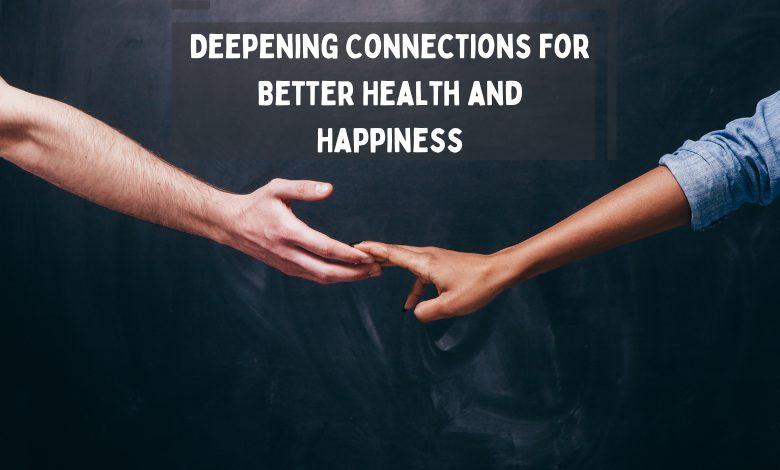
In the hustle of our daily lives, the significance of real human connections often fades into the background. Yet, the foundation of our well-being rests significantly on the strength of our relationships with others. Deep, meaningful connections do more than fill our social calendars; they touch our lives in ways that profoundly affect our happiness and health. In an era where digital interactions often replace face-to-face connections, a paradox emerges: we are more connected than ever before but also more isolated. This sense of isolation can deeply impact our mental state and overall health, underscoring the critical need to foster genuine bonds. Acknowledging the importance of nurturing these connections is a step towards not only enhancing our own lives but also contributing to the well-being of our communities.
The Importance of Human Connections
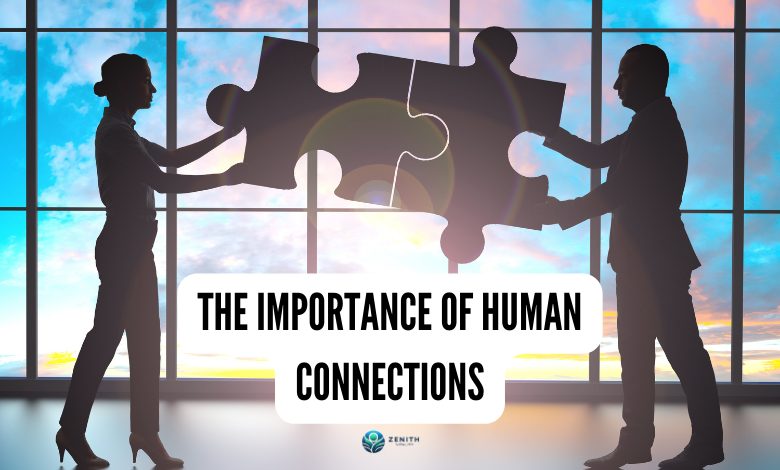
The importance of human connections extends far beyond simple socializing; these bonds are foundational to our overall well-being. Engaging in deep and meaningful relationships offers a multitude of benefits that significantly impact our lives:
- Sense of Belonging and Acceptance: Being part of a community or having a close-knit group of friends provides us with a profound sense of belonging. This feeling of acceptance is crucial, as it reassures us that we are not navigating life’s complexities alone. The knowledge that we are valued members of a group helps to mitigate feelings of isolation and loneliness.
- Enhanced Happiness and Emotional Well-being: Quality connections with others have the power to lift our spirits and enhance our overall happiness. These relationships offer us a platform to share our joys, celebrate successes, and navigate through life’s ups and downs together. The support received from these bonds is instrumental in reducing stress and buffering against psychological distress.
- Support System in Difficult Times: Life inevitably brings challenges, but having a reliable support network can make these obstacles more manageable. Whether it’s emotional support during a personal crisis or practical help during times of need, the assistance provided by friends and family is invaluable. This support system plays a crucial role in our ability to cope with stress, recover from setbacks, and maintain mental health resilience.
- Physical Health Benefits: Surprisingly, the benefits of strong social ties extend to physical health as well. Research has shown that individuals with robust social connections have a lower risk of many significant health issues, including heart disease, high blood pressure, and even premature death. These relationships encourage healthier lifestyle choices and can provide motivation for maintaining physical health.
- Longevity and Quality of Life: Beyond influencing our health and happiness, meaningful human connections can also affect our lifespan. Individuals with strong social bonds tend to live longer, healthier lives. This longevity boost is attributed to the cumulative effect of emotional support, stress reduction, and the positive influence of social circles on our lifestyle choices.
Nurturing deep connections with others is not merely a component of a fulfilling life; it is essential to our existence. These relationships enrich our lives in countless ways, from providing emotional support and companionship to influencing our physical health and longevity. The effort invested in building and maintaining these connections pays dividends in improved mental and physical well-being, highlighting the undeniable importance of human connections in our lives.
Understanding Loneliness
Loneliness is an emotional state characterized by a perceived lack of meaningful social connections. It’s a feeling that can occur even when surrounded by people, highlighting a gap between desired and actual social interactions. This gap leads to feelings of isolation and disconnection, impacting individuals regardless of their physical social presence. In essence, loneliness is not quantified by the number of friends or social interactions one has, but rather by the quality and depth of these connections.

The Impact of Loneliness on Health
The effects of loneliness extend far beyond transient feelings of sadness or isolation; they have significant implications for both mental and physical health:
- Mental Health: Loneliness is closely linked to increased risks of mental health disorders, including depression, anxiety, and decreased stress resilience. The feeling of being disconnected can exacerbate feelings of worthlessness and despair, contributing to a downward spiral in mental well-being.
- Physical Health: The impact of loneliness on physical health is equally alarming. Studies have shown that individuals who experience chronic loneliness may have higher blood pressure, are more susceptible to heart disease, and have weakened immune systems. This state of prolonged stress and emotional distress can take a tangible toll on one’s physical health, leading to an overall decrease in life expectancy.
- Cognitive Decline: There is also evidence to suggest that loneliness can accelerate cognitive decline in older adults. The lack of stimulating social interactions can contribute to an increased risk of developing conditions like Alzheimer’s disease.
Combating Loneliness
Addressing loneliness is a multifaceted approach that involves both individual and community efforts:
- Seeking Connections: Actively seeking out social interactions that provide a sense of belonging and emotional fulfillment is crucial. This can involve reconnecting with old friends, joining clubs or groups with shared interests, or engaging in community service.
- Quality over Quantity: It’s essential to focus on the quality of social interactions rather than the quantity. Deep, meaningful connections with a few individuals can be more beneficial than numerous superficial relationships.
- Utilizing Technology Wisely: While technology and social media can contribute to feelings of isolation if used excessively or superficially, they can also be tools for connecting with like-minded individuals or maintaining long-distance relationships. The key is to use these platforms to facilitate real-life connections rather than replace them.
- Professional Help: For some, professional help may be necessary to navigate the complexities of loneliness and its underlying causes. Therapists and counselors can offer strategies to build social skills, cope with loneliness, and address any associated mental health issues.
Understanding loneliness and its profound impact on health is the first step towards mitigating its effects. By recognizing the signs of loneliness in ourselves and others, we can take proactive steps to foster a sense of connection and community, ultimately leading to a healthier, more fulfilling life.
The Power of Supportive Relationships
Supportive relationships are a cornerstone of our well-being. They offer a foundation of emotional and practical support that carries us through life’s ups and downs. The strength of these bonds can significantly impact our mental and physical health in several ways:
- Emotional Support: Having someone to share our thoughts and feelings with can lessen the weight of our worries and boost our mood. This emotional outlet is crucial for managing stress and maintaining mental health.
- Improved Well-being: People with strong support systems tend to report higher levels of happiness and satisfaction in life. The feeling of being cared for and valued adds to our sense of self-worth and overall life satisfaction.
- Better Health Outcomes: Supportive relationships have been linked to better health outcomes. The stress-reducing effects of good friendships can lower the risk of health issues like high blood pressure and heart disease. Additionally, those with close relationships often have stronger immune systems.
- Increased Resilience: Life is full of challenges, but having a support network makes us more resilient. Knowing we have people who can offer help or advice makes it easier to bounce back from setbacks.
- Longevity: Studies have shown that strong social connections can extend our lifespan. The positive effects of friendships on our stress levels, happiness, and health behaviors contribute to a longer, healthier life.
Supportive relationships enrich our lives in countless ways, proving that the connections we foster can have a profound impact on our happiness and health.
Strategies to Deepen Connections
Creating and maintaining deep connections with others is not just beneficial; it’s essential for our emotional and physical well-being. Here are more detailed strategies to help foster these important relationships:
- Be Present and Attentive: When engaging with others, give them your full attention. Put away distractions like phones or laptops. Making eye contact, nodding, and responding appropriately during conversations show that you are actively listening and truly value the person’s presence and words.
- Show Empathy and Understanding: Empathy is the ability to understand and share the feelings of another. When friends or family members open up about their experiences, strive to see the situation from their perspective. Acknowledging their feelings without immediately offering solutions can make them feel seen and supported, deepening the emotional connection.
- Initiate and Plan Activities: Take the initiative to make plans or suggest activities that align with shared interests. Whether it’s a weekly coffee meet-up, a walking group, or attending a workshop together, these shared experiences can strengthen bonds and create new memories.
- Open Up About Yourself: Vulnerability is a key ingredient in building close relationships. Sharing personal stories, challenges, and aspirations with others can lead to a deeper connection, as it invites trust and shows that you consider the relationship a safe space for openness.
- Express Gratitude and Appreciation: Regularly expressing thanks and appreciation for small gestures or the mere presence of others in your life can reinforce the importance of the relationship. It’s a powerful way to acknowledge the positive impact someone has on you, making them feel valued and appreciated.
- Spend Quality Time Together: Quality time is about fully engaging with each other during the time you spend together. This could involve activities that both parties enjoy or trying out new experiences together. It’s the quality of the interaction, not just the quantity of time spent together, that deepens the bond.
- Provide Support During Tough Times: Being there for someone during their low points is a profound way to deepen a connection. Offering a listening ear, a shoulder to cry on, or practical help during difficult times shows that you are a reliable and caring presence in their life.
- Stay in Touch and check in Regularly: Life can get busy, and it’s easy to let relationships slide. Making a conscious effort to check in with friends and loved ones regularly, even if it’s just a brief message or call, keeps the connection alive and shows that you care.
- Be Patient and Forgive: All relationships experience ups and downs. Being patient with others and willing to forgive minor grievances can strengthen the bond. It’s important to communicate openly about issues and work through them together rather than letting resentment build up.
Implementing these strategies requires effort and intention, but the rewards of deeper, more meaningful connections are immeasurable. They not only enrich our lives but also contribute to our overall happiness and well-being.
The Impact of Social Media on Connections
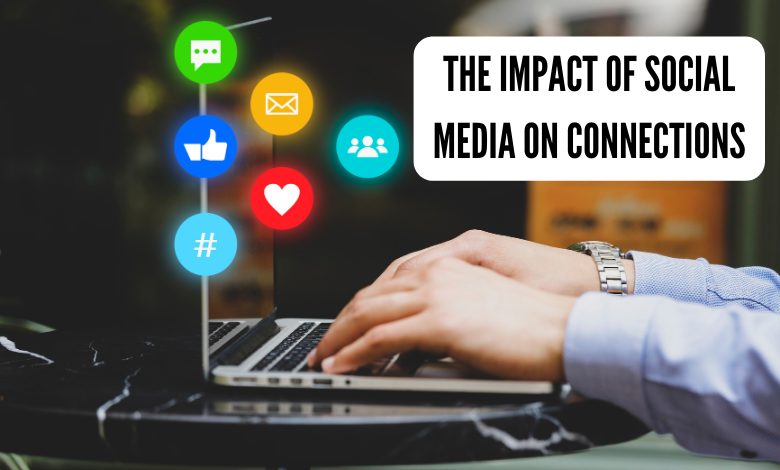
Social media plays a complex role in our social connections. It offers a platform for staying in touch with friends and family, sharing life’s moments, and meeting new people with shared interests. However, its impact on the depth and quality of these connections varies.
Pros of Social Media
Social media breaks down geographical barriers, making it easier to maintain relationships over long distances. It provides a space for people to find support groups, communities, and friends they might not have encountered otherwise. For many, it’s a tool for expressing themselves and discovering others who resonate with their experiences or interests.
Cons of Social Media
Despite its benefits, social media can sometimes hinder genuine connections. The curated nature of online personas can lead to comparisons and feelings of inadequacy. There’s also the risk of substituting deep, meaningful interactions with more superficial online engagements. This shift can contribute to feelings of loneliness and isolation despite being more “connected” than ever.
Finding Balance
The key is finding a balance between online interactions and face-to-face connections. While social media can complement and enhance our relationships, it shouldn’t replace the intimacy and support found in direct interactions. Prioritizing in-person connections when possible can help mitigate the negative effects of social media on our social lives.
Social media has undeniably transformed the way we connect, offering both opportunities and challenges. Its impact on our relationships is profound and multifaceted, reminding us of the importance of fostering genuine connections both online and off.
Coping with Loneliness
Loneliness, a state often marked by a deep sense of isolation and disconnection, can be daunting. However, there are several strategies to manage and overcome these feelings, fostering a richer, more connected life.
- Initiate Connection: Making the first move to reach out can seem intimidating, but it is a crucial step in overcoming loneliness. Contact friends, family, or even acquaintances for a simple conversation, an outing, or to express your feelings. Sometimes, the act of sharing your experience of loneliness can open doors to deeper connections.
- Participate in Community Activities: Engaging in activities within your community can offer a dual benefit of doing something enjoyable while meeting new people. Whether it’s a hobby-related class, a local sports team, or a community service project, such activities provide natural settings for developing new friendships.
- Volunteer Your Time: Volunteering is a powerful way to combat loneliness. It not only helps bridge connections with others but also instills a sense of purpose and fulfillment. Helping those in need can shift focus from one’s own loneliness to the positive impact one is making in the lives of others.
- Stay Physically Active: Exercise is not just beneficial for physical health but also for mental well-being. Group fitness classes, hiking clubs, or sports teams offer opportunities to keep active while being around others. The endorphins released during exercise can also naturally boost your mood.
- Limit Social Media Usage: While social media platforms can offer a sense of connection, they can also exacerbate feelings of loneliness by presenting an idealized glimpse into others’ lives. Balancing your online time with real-life interactions is key. Focus on using social media to facilitate actual meet-ups rather than as a substitute for them.
- Seek Professional Support: Persistent loneliness can sometimes be a symptom of underlying mental health issues such as depression or anxiety. If loneliness starts to significantly impact your life, reaching out to a mental health professional can provide you with coping strategies tailored to your situation. Therapy can also offer a space to explore and understand the roots of your loneliness.
Addressing loneliness requires a proactive approach to building and nurturing social connections. It involves stepping out of your comfort zone, being open to new experiences, and sometimes seeking help when needed. Remember, it’s the quality of your social interactions, not necessarily the quantity, that can make a difference in how you feel. By adopting these strategies, you can pave the way toward a more connected and fulfilling life.
Conclusion
The significance of human connections in our lives cannot be overstated. From enhancing our mental and physical health to providing emotional support and a sense of belonging, the relationships we nurture have profound impacts. While social media offers a platform for maintaining connections, it’s crucial to balance these digital interactions with meaningful face-to-face engagements. Coping with loneliness involves proactive steps toward engaging with others, seeking shared experiences, and, when necessary, professional help. Ultimately, fostering deep and supportive relationships is key to a happier, healthier life. Let’s prioritize building and maintaining these connections, recognizing them as essential to our well-being.
Connection is the energy that is created between people when they feel seen, heard, and valued — when they can give and receive without judgment.
Brené Brown