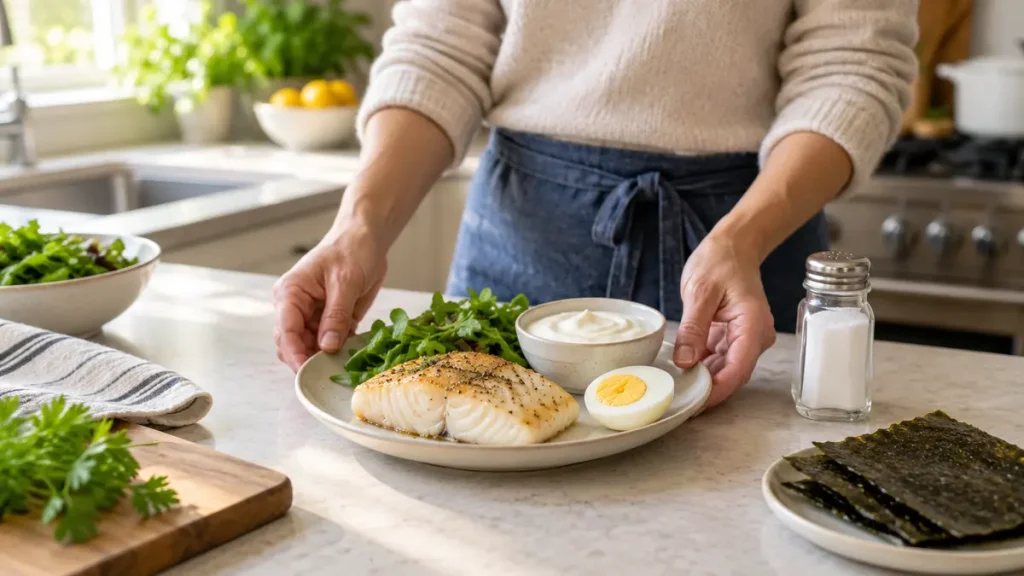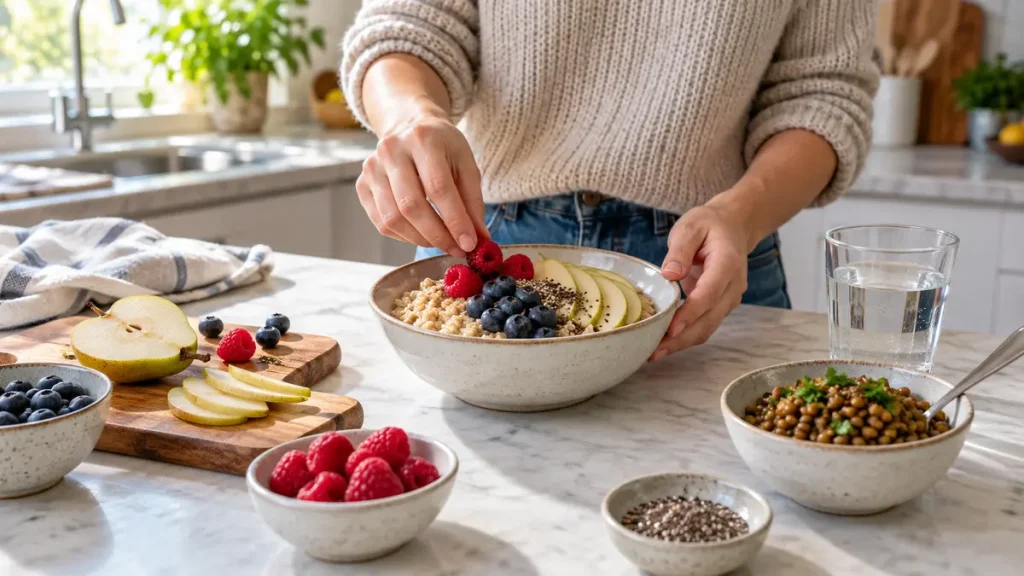
When we cook, adding spices is like adding magic to our meals. Spices do more than just make our food taste better. They come packed with health benefits that can make our meals not only delicious but also more nutritious.

Research has shown that spices such as cinnamon can help control blood sugar, ginger can ease nausea, turmeric can improve memory and mood, and garlic can boost our immune system. A recent study in 2020 discovered that adding a mix of spices to a meal high in fats and carbohydrates could also reduce inflammation. Inflammation is linked to many diseases like heart disease, stroke, diabetes, cancer, and arthritis. So, using spices in our cooking can be a simple way to improve our health.
Using spices allows us to experiment and be creative with our cooking, making our food more colorful, aromatic, and flavorful. Whether we are making a smoothie, cooking eggs, or making a salad dressing, spices can transform your dish into something special. Plus, adding spices to a meal that is high in fat and carbs could even lessen some of the meal’s negative effects by reducing inflammation.
In short, spices not only enhance the taste and aroma of our meals but also bring significant health benefits. By incorporating them into our cooking, we can enjoy delicious meals that are also good for our health.
The Benefits of Spices
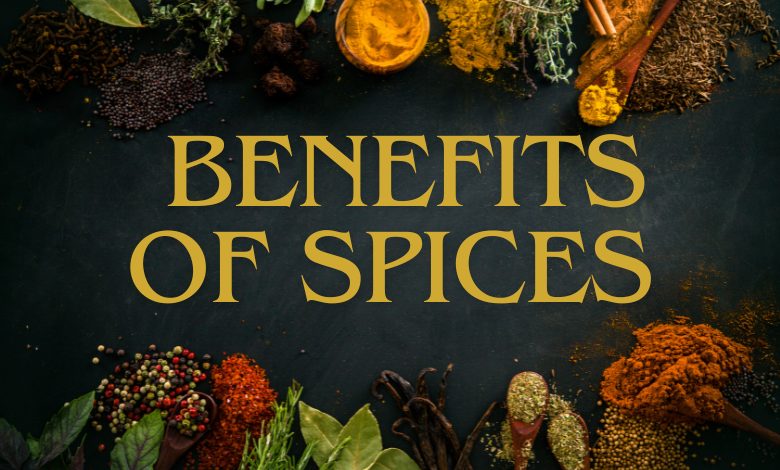
Spices bring a world of benefits to our meals, going beyond just making our food taste good. They can have a big impact on our health and well-being. Here are some key benefits of including spices in your diet:
- Rich in Antioxidants
Spices like cinnamon, turmeric, and cloves are packed with antioxidants. Antioxidants are crucial because they protect our cells from damage caused by free radicals. This damage can lead to chronic diseases, including cancer and heart disease. By including these spices in your diet, you’re essentially helping your body fight against such diseases, keeping your cells healthy and well-functioning. - Control Blood Sugar Levels
Cinnamon is a standout spice when it comes to regulating blood sugar levels. It can improve insulin sensitivity, making it easier for your body to use sugar from your bloodstream for energy. This is especially beneficial for people with diabetes or at risk of developing the condition, as it helps maintain stable blood sugar levels and prevents spikes that can be harmful. - Anti-inflammatory Properties
Inflammation is a natural response of the body to injury or infection, but chronic inflammation can lead to diseases such as arthritis, heart disease, and even cancer. Turmeric, containing the active compound curcumin, and ginger are two spices known for their potent anti-inflammatory properties. They can help reduce inflammation in the body, offering protection against these chronic conditions. - Boosts Immunity
Garlic is famous for its immune-boosting properties. It contains compounds that help the immune system fight germs. Foods with garlic can help fend off colds, and in some cases, reduce the severity and duration of cold and flu symptoms. Incorporating garlic into your meals can strengthen your body’s defenses against infections. - Improves Heart Health
Certain spices, including garlic and turmeric, have been found to improve heart health. They can reduce levels of triglycerides and lower blood pressure, which are risk factors for heart disease. By adding these spices to your diet, you could be supporting your heart’s health and reducing your risk of heart-related conditions. - Digestive Health
Ginger is a go-to remedy for nausea and indigestion for a reason. It can help accelerate stomach emptying and relieve discomfort from indigestion. Spices like ginger promote smooth digestion and can prevent bloating and gas, making your digestive system run more smoothly. - Metabolic Benefits
Spices such as chili peppers can have a positive effect on metabolism. The capsaicin in chili peppers helps increase the amount of heat your body produces, making you burn more calories per day. This can be helpful for weight management and reducing the risk of obesity, which is closely linked to metabolic syndrome.
By integrating these spices into your daily meals, you’re not just adding flavor; you’re contributing to your overall health and well-being. Whether used in cooking, teas or as supplements, the benefits of spices are vast and can have significant positive impacts on your health.
Spices to Incorporate and Their Uses
Adding spices to your meals is not just about enhancing flavor. Each spice comes with its own set of health benefits and best uses. Here’s a guide to some common spices, their health benefits, and how you can use them in your cooking:
- Cinnamon:
Benefits: Besides controlling blood sugar levels, cinnamon is also known for its antioxidant properties, which can reduce inflammation and lower the risk of heart disease.
Uses: Ideal for breakfast dishes like oatmeal and pancakes, it also complements the flavor of sweet potatoes, butternut squash, and even in meat rubs. - Turmeric:
Benefits: Its active ingredient, curcumin, is a potent anti-inflammatory and antioxidant. It’s linked to improved brain function and a lower risk of brain diseases.
Uses: Turmeric is a staple in curry dishes but also enhances scrambled eggs, smoothies, and golden milk. Its earthy flavor and golden color can brighten up any dish. - Ginger:
Benefits: Known for its digestive benefits, ginger also has powerful anti-inflammatory effects and can help reduce muscle pain and soreness.
Uses: Fresh ginger can be used in teas, soups, stir-fries, and marinades. It’s also excellent in baked goods like cookies and cakes for a warm, spicy note. - Garlic:
Benefits: It’s renowned for its cardiovascular benefits, including reducing blood pressure and cholesterol levels. Garlic also has potent antibacterial and antiviral properties.
Uses: Garlic can be roasted and spread on bread, minced into dressings, or added to almost any savory dish for depth of flavor and health benefits. - Black Pepper:
Benefits: Contains piperine, which can improve digestion and stimulate the absorption of beneficial nutrients like selenium, vitamin B12, and beta-carotene.
Uses: Black pepper is incredibly versatile, enhancing the flavor of meats, vegetables, pasta dishes, and even some desserts. - Nutmeg:
Benefits: Nutmeg has been shown to have antibacterial effects, particularly against oral pathogens. It also contains compounds that can benefit the brain and improve mood.
Uses: It’s a classic addition to fall and winter dishes like pumpkin pie and eggnog. It can also add a warm, nutty flavor to savory dishes like spinach and cheese sauces. - Paprika:
Benefits: Paprika is rich in vitamins A and E, promoting healthy skin and eyesight, and has antioxidant properties.
Uses: Adds a smoky flavor to meats, fish, and vegetarian dishes. It’s essential in Hungarian goulash and gives a vibrant color to rice and stews. - Basil:
Benefits: This herb has anti-inflammatory and antibacterial properties. It’s also a rich source of antioxidants, which protect against free radical damage.
Uses: Fresh basil transforms salads, pizzas, and pasta dishes. It’s also wonderful in lemonade or cocktails for a fresh twist. - Rosemary:
Benefits: Rosemary’s active components have been linked to improved digestion and brain function. It’s also said to reduce stress and anxiety.
Uses: Its needle-like leaves infuse a robust flavor into bread, roasted meats, and potatoes. It can also be steeped in olive oil for a flavorful dip. - Cumin:
Benefits: Cumin is great for digestion and immune function. It has been used to treat diarrhea and has a high content of iron.
Uses: Ground cumin seeds are essential in Middle Eastern, Latin, and Indian cuisines, flavoring lentil soups, tacos, and curries.
Incorporating these spices into your cooking not only adds incredible flavor but also offers numerous health benefits. Experiment with these spices to find combinations that you love and to add a nutritional boost to your meals.
Combining Spices with Superfoods
Pairing spices with superfoods can boost the nutrition and flavor of your meals. This combination can be a powerful way to improve health. Here are some ways to mix spices with superfoods for maximum benefit:
- Turmeric and Quinoa: Turmeric’s anti-inflammatory properties combined with quinoa’s high protein content make for a nutritious and flavorful meal. Add turmeric to quinoa dishes to enhance their taste and health benefits.
- Cinnamon and Oats: Oats are known for their heart-healthy fibers, and cinnamon can help control blood sugar levels. Sprinkle cinnamon on your oatmeal for a delicious, health-boosting breakfast.
- Ginger and Sweet Potatoes: Sweet potatoes are packed with vitamins, minerals, and antioxidants. Add ginger to roasted sweet potatoes to aid digestion and give them a spicy kick.
- Garlic and Spinach: Spinach is a nutrient-dense superfood, high in vitamins and minerals. Sautéing spinach with garlic enhances its flavor and adds immune-boosting benefits.
- Black Pepper and Avocado: Avocados are full of healthy fats and fiber. Adding black pepper can enhance the absorption of nutrients and add a spicy flavor to avocado dishes.
- Nutmeg and Pumpkin: Pumpkin is rich in vitamins, particularly vitamin A. Adding nutmeg to pumpkin dishes like soups or pies can boost flavor and add digestive health benefits.
- Paprika and Chickpeas: Chickpeas are a great source of protein and fiber. Paprika can add a smoky flavor to chickpeas, making them perfect for salads, stews, or as a crunchy snack.
- Basil and Tomatoes: Tomatoes are rich in antioxidants, especially lycopene. Pairing them with basil in dishes like salads or sauces can enhance their flavor and provide anti-inflammatory benefits.
- Rosemary and Salmon: Salmon is known for its omega-3 fatty acids, which are good for heart health. Adding rosemary can improve memory and mood, and it pairs wonderfully with baked or grilled salmon.
- Cumin and Lentils: Lentils are a great source of plant-based protein and iron. Cumin adds a warm, earthy flavor to lentil dishes and aids in digestion.
These combinations not only add flavor to your meals but also boost the nutritional value, making your diet healthier and more diverse. Experiment with these pairings to discover new favorite dishes that are as delicious as they are beneficial for your health
Ethical and Sustainable Considerations
Making thoughtful choices about the spices and superfoods we consume involves understanding their impact on health, society, and the environment. Here are some extended considerations to guide you in making more ethical and sustainable decisions:
- Buy Organic: Choosing organic products means supporting farming practices that reduce soil erosion, enhance soil fertility, and minimize water pollution. Organic farming avoids the use of synthetic pesticides and fertilizers, promoting biodiversity and protecting workers’ health.
- Look for Fair Trade: Fair trade certification ensures that farmers and workers receive fair compensation, enabling them to afford education, healthcare, and sustainable living conditions. It also supports community development projects, such as clean water access and educational programs.
- Consider the Source: Knowing where your food comes from helps you understand its environmental footprint. Locally sourced products often have a lower carbon footprint due to reduced transportation distances. Additionally, importing spices and superfoods from countries that enforce sustainable and ethical farming practices can contribute to global environmental conservation efforts.
- Reduce Waste: Purchasing what you need helps minimize food waste, a significant issue contributing to greenhouse gas emissions. Proper storage of spices and superfoods can extend their shelf life. Sharing surplus with others can prevent waste and foster community spirit.
- Recyclable Packaging: Opting for products with eco-friendly packaging reduces plastic pollution and the demand for new plastic production. Packaging made from recycled materials or materials that can be composted contributes to a circular economy, where resources are reused and recycled, minimizing waste.
- Grow Your Own: Cultivating your own herbs not only ensures you have access to fresh, pesticide-free produce but also reduces the environmental impact associated with commercial production and distribution. It can be a rewarding experience that connects you with the food you eat and reduces your carbon footprint.
- Supporting Biodiversity: Choosing a variety of spices and superfoods can support biodiversity. Diverse crops can reduce dependence on single crop economies, promote healthy ecosystems, and protect against crop failure due to pests or diseases.
- Educate Yourself and Others: Staying informed about the social and environmental issues associated with food production allows you to make more conscious choices. Sharing this knowledge with friends and family can amplify the impact of your choices, encouraging a collective shift towards more sustainable and ethical consumption.
By incorporating these considerations into your purchasing decisions, you contribute to a more equitable and sustainable food system. Your choices can drive demand for ethically produced goods, encouraging producers and retailers to adopt more sustainable practices.
Practical Tips for Cooking with Spices

Cooking with spices can significantly enhance the flavor profile of your meals. Here’s how you can get the most out of using spices in your kitchen:
Start Small: Especially important for potent spices, begin by adding just a pinch or a small amount. Taste as you go and adjust accordingly. This approach prevents overpowering your dish with a single flavor.
- Toast Spices for Enhanced Flavor: Toasting spices in a dry skillet over medium heat until they become fragrant (usually just a minute or two) can unlock deeper flavors. This is particularly effective for whole spices like cumin seeds or mustard seeds.
- Mix and Match with Confidence: Experimentation is key to discovering great spice combinations. Some classic pairings include cinnamon with nutmeg, cumin with coriander, and turmeric with ginger. But don’t be afraid to try out your own mixes.
- Freshness Matters: Fresh spices offer the best flavor. For ground spices, a good rule of thumb is that they lose their potency after about six months. Whole spices can last longer but should be used within a year for optimal flavor.
- Grind Your Own Spices: When you grind spices yourself, you ensure maximum freshness and flavor. A dedicated spice grinder is a worthy investment for any kitchen. For spices like peppercorns, a mortar and pestle also work well.
- Balance is Key: Aim for a harmonious blend of flavors where no single spice dominates unless that’s your specific goal. Consider the profile of your dish and choose spices that complement the main ingredients.
- Proper Storage Extends Shelf Life: Store your spices in airtight containers away from direct sunlight and heat, which can diminish their flavors. A cool, dark cupboard is ideal.
- Timing Matters: Some spices, particularly ground ones, can develop bitter flavors if cooked too long. Add delicate spices towards the end of cooking to preserve their flavor. Hardier spices, like bay leaves or whole cinnamon sticks, benefit from longer cooking times.
- Use in Marinades: Spices can penetrate meats, tofu, or vegetables in marinades, imparting deep flavors. Acidic components in marinades, like vinegar or citrus juice, can help to break down the exterior, allowing spices to infuse more effectively.
- Create Your Own Spice Rubs: Mixing spices to create a rub is a quick way to season meat, poultry, fish, or vegetables. Rubs can include a mix of ground spices, herbs, and sometimes salt and sugar, tailored to your taste preference.
- Infuse Oils and Vinegars: Spice-infused oils and vinegars can add subtle or bold flavors to dishes. Start by gently heating the oil or vinegar with your chosen spices, let it cool, then strain. These infused concoctions are excellent for dressings, drizzles, or to add an extra flavor punch to cooked dishes.
Incorporating these detailed practices into your cooking can elevate ordinary ingredients into extraordinary meals. The key is to experiment with flavors, adjust to your taste, and have fun exploring the vast world of spices.
Conclusion
Incorporating spices into your meals is more than just about adding flavor. It’s a simple and effective way to enhance the nutritional value of your food while enjoying a variety of tastes from around the world. From the antioxidant properties of cinnamon to the anti-inflammatory benefits of turmeric, spices offer significant health advantages.
Moreover, cooking with spices encourages culinary creativity, allowing you to experiment with different combinations and discover new favorite dishes. By starting small, toasting spices to bring out their flavors, and mixing and matching different spices, you can elevate your cooking to a new level.
Ethical and sustainable considerations are also crucial when choosing spices. Opting for organic, fair trade, and locally sourced spices can contribute to a more sustainable and equitable food system. Proper storage and mindful purchasing can help reduce waste and ensure that you are using the freshest ingredients.
Finally, practical tips like using spices in marinades, creating your own spice rubs, and infusing oils can add depth and complexity to your dishes. By embracing these practices, you can transform simple ingredients into nutritious and flavorful meals that delight the senses and contribute to overall health.
In summary, the world of spices is vast and full of possibilities. By integrating spices into your daily cooking, you’re not just spicing up your meals; you are embracing a healthier, more sustainable, and flavorful way of eating.