
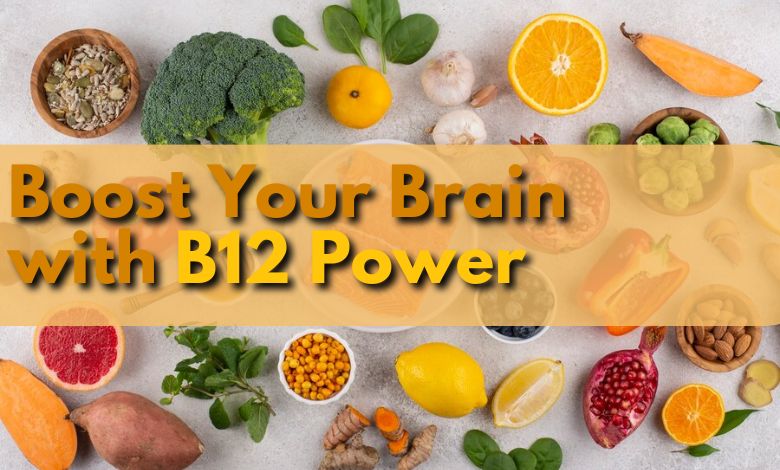
In today’s digital era, combining technology with health practices is crucial, particularly for nutrition and brain health. Vitamin B12 stands out as an essential nutrient, necessary for keeping nerve and blood cells healthy, and bolstering brain function and memory. This text highlights B12’s importance for cognitive health, pointing out its effectiveness in improving brain performance and assisting in injury recovery. Recognizing the advantages of B12 and securing its sufficient consumption can greatly impact our mental wellness and general health, underscoring the significance of this vital nutrient in everyday life.
The Essential Role of Vitamin B12

Vitamin B12 is key for keeping our brain and body in good shape. It helps make sure our nerve cells work well and our blood cells are healthy. This vitamin is important for making DNA, which is found in all our cells. For our brains, B12 is especially important. It helps with memory and can keep the brain from getting older too quickly. If we don’t get enough B12, we might feel tired or have trouble thinking clearly. Since our bodies don’t make B12, we need to get it from food or supplements. Foods like fish, meat, dairy products, and some fortified cereals are good sources. B12’s role in the body is complex but understanding its importance is simple: it’s vital for our overall health and especially for a well-functioning brain.
Benefits of B12 for Brain Health
Vitamin B12 is crucial for maintaining and enhancing brain health. Here are its key benefits in a more detailed and informative list format:
- Supports Nerve Health: B12 plays a vital role in the formation and maintenance of the myelin sheath, the protective covering around nerve cells. This ensures efficient signal transmission between the brain and parts of the body.
- Enhances Cognitive Functions: It contributes to improved memory, attention, and cognitive processing by supporting the health of brain cells and stimulating the formation of new neural pathways.
- Mood Regulation: B12 is involved in the production of serotonin, a neurotransmitter that helps regulate mood. Adequate levels of B12 may contribute to improved mood and mental well-being.
- Aids in Brain Cell Regeneration: For individuals recovering from brain injuries, B12 can promote the regeneration of neurons, aiding in the recovery process and improving outcomes.
- Prevents Brain Atrophy: Adequate levels of B12 can help prevent brain atrophy, which is the loss of neurons in the brain and often associated with memory loss or dementia.
- Reduces Homocysteine Levels: High levels of homocysteine, an amino acid in the blood, have been linked to an increased risk of neurodegenerative diseases. B12 helps reduce homocysteine levels, potentially lowering the risk of such conditions.
- Supports Brain Health During Aging: By maintaining the health of nerve cells and supporting brain functions, B12 intake is crucial for aging individuals, helping to preserve cognitive functions and reduce the risk of age-related cognitive decline.
Vitamin B12 is indispensable for a wide range of brain health aspects, from enhancing cognitive functions and mood regulation to supporting the recovery process after brain injuries. Ensuring adequate intake through diet or supplementation can significantly contribute to overall brain health and function.
B12 and Recovery from Brain Injuries
Vitamin B12 is significant in the recovery process following brain injuries. Here’s a straightforward look at its role:
- Neuron Regeneration: B12 aids in the regeneration of neurons, the building blocks of the nervous system. This is crucial for repairing brain damage.
- Neural Pathway Formation: It supports the formation of new neural pathways, helping restore functions lost due to brain injury, such as speech and motor skills.
- Myelin Sheath Repair: B12 is involved in the repair and maintenance of myelin sheaths. These sheaths cover nerve fibers and are essential for fast signal transmission.
- Reduction of Inflammation: It helps in reducing inflammation in the brain, which is a common consequence of brain injuries. This reduction is critical for the healing process.
- Mood Improvement: Following a brain injury, individuals may experience mood swings or depression. B12 plays a role in mood regulation, aiding in emotional recovery.
- Cognitive Function Support: B12 can improve cognitive functions such as memory and concentration, which are often affected by brain injuries.
Natural Sources and Supplementation

Vitamin B12 is essential for brain health, and there are various ways to ensure you’re getting enough of it. Here’s a look at natural sources and supplementation options:
- Animal Products: B12 is naturally found in animal products. Foods like beef, chicken, fish, and dairy products are excellent sources. For example, a serving of salmon or beef can provide a significant amount of your daily B12 needs.
- Fortified Foods: For those who prefer plant-based diets, many foods are fortified with B12. This includes some breakfast cereals, non-dairy milks, and nutritional yeasts. Checking labels can help you find these B12-enriched options.
- Supplements: B12 supplements are available for those who might not get enough from their diet. They come in various forms, including pills, liquids, and even sublingual tablets that dissolve under the tongue.
- Dietary Considerations: People with specific dietary preferences, such as vegetarians and vegans, may need to pay extra attention to their B12 intake since plant-based sources are limited. Including fortified foods or supplements can help meet their needs.
Ensuring a sufficient intake of Vitamin B12 is crucial for maintaining optimal brain function and overall health. Whether through diet or supplementation, keeping B12 levels adequate supports cognitive functions, aids in the recovery from brain injuries, and contributes to emotional well-being.
Integrating B12 into a Tech-Savvy Health Routine
Incorporating Vitamin B12 into a health-conscious, technology-driven lifestyle is straightforward with the right tools and knowledge. Here’s how you can ensure optimal B12 intake using technology:
- Nutrition Tracking Apps: Use apps to track your daily nutrient intake. Many apps allow you to log meals and automatically calculate the vitamins you’re consuming, including B12. This can help identify if you’re meeting your daily requirements or need to adjust your diet.
- Educational Resources: Leverage online platforms and articles to learn more about B12-rich foods and the benefits of this essential vitamin. Staying informed can help you make better dietary choices.
- Supplement Reminders: If supplements are part of your routine, reminder apps can ensure you never miss a dose. Set daily alerts at times that align with your schedule for consistent intake.
- Grocery Shopping Apps: Utilize apps that highlight nutritious foods while grocery shopping. Some apps can guide you towards B12-rich foods or fortified products, making healthy shopping easier.
- Online Health Forums: Join health and nutrition forums or social media groups. These communities often share tips, recipes, and personal experiences with various supplements, including B12.
- Wearable Tech: Some wearable devices track nutritional intake and provide health insights. While more common for monitoring physical activity, evolving tech may soon offer detailed nutritional tracking, including vitamin intake.
Conclusion
Vitamin B12 is indispensable for brain health, aiding in everything from cognitive function and mood regulation to neuron regeneration and recovery from brain injuries. Whether sourced from diet, fortified foods, or supplements, ensuring adequate B12 intake is crucial. Modern technology offers innovative ways to track and optimize our B12 levels, fitting seamlessly into our health-conscious lifestyles. By understanding the importance of B12 and utilizing tech-savvy tools to maintain its optimal levels, we can support our brain health and overall well-being, making B12 a key player in our nutritional arsenal.


