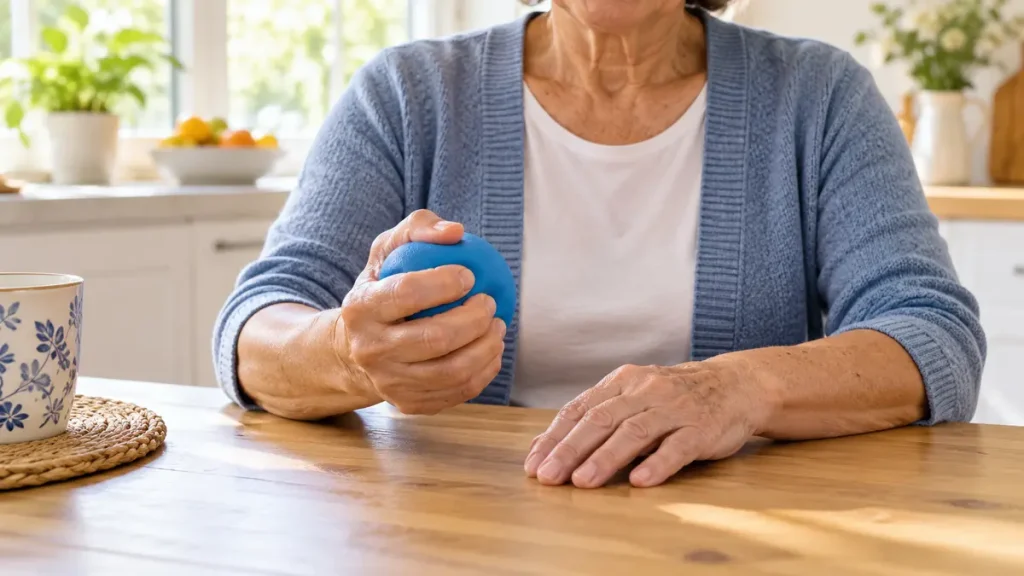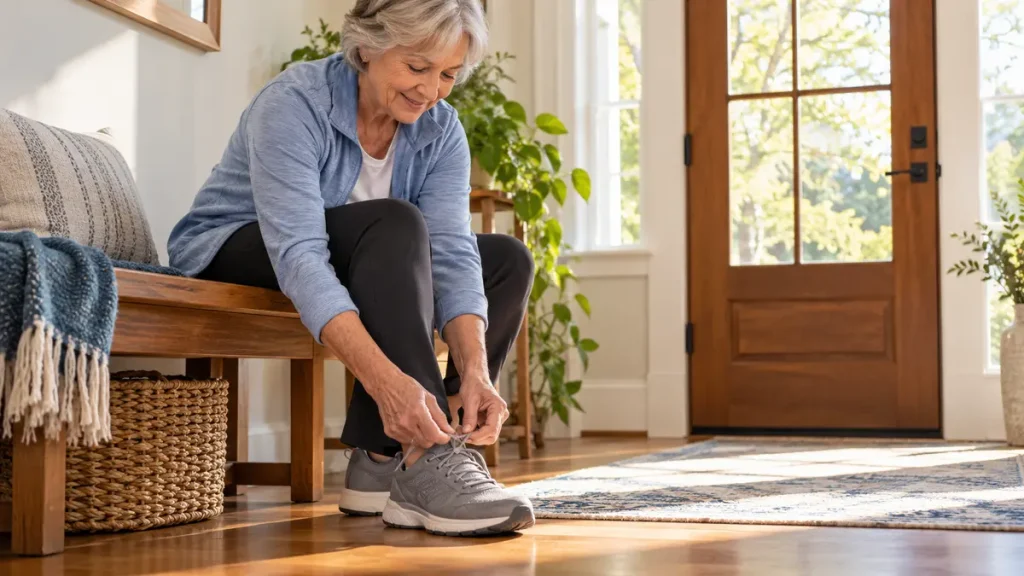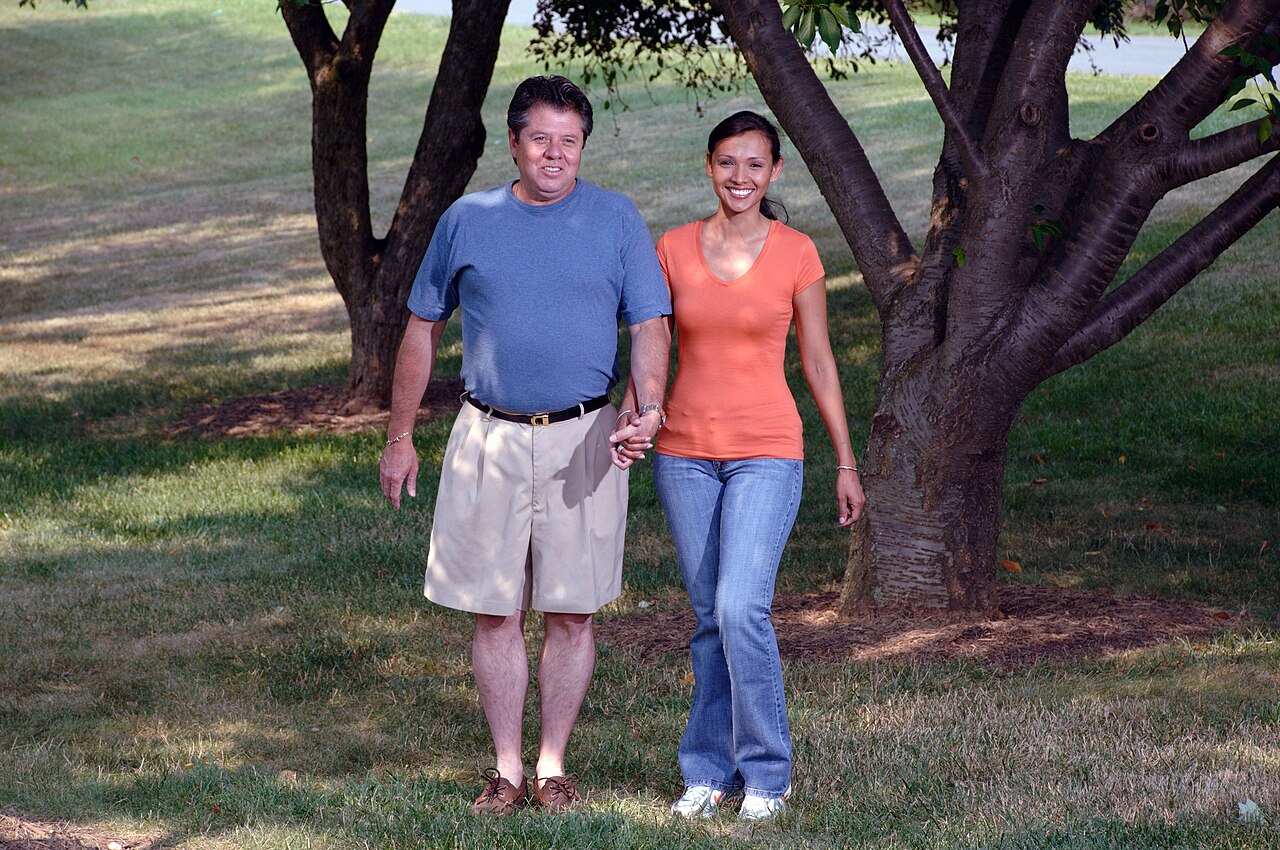
Healthy aging is not the same as trying to stop time. It means protecting physical function, mental well-being, and independence as the body changes. Genetics influence aging, but daily habits also shape cardiovascular health, muscle strength, sleep, balance, mobility, and cognitive resilience. The most reliable strategies are usually less dramatic than “anti-aging” marketing suggests: regular movement, adequate sleep, nutritious food, social connection, preventive care, and realistic stress management.
The National Institute on Aging describes physical activity as a cornerstone of healthy aging, while the Centers for Disease Control and Prevention emphasizes aerobic, muscle-strengthening, and balance activities for adults 65 and older. These recommendations are not promises of eternal youth. They are practical tools for maintaining function and quality of life.
Healthy aging is best measured by what a person can continue to do: move safely, think clearly, recover well, stay connected, and manage daily life with as much independence as possible.
What healthy aging actually means
Aging affects every organ system, but not every change is inevitable or identical between people. Muscle mass and strength may decline, reaction time may slow, sleep patterns may shift, and recovery can take longer. At the same time, many older adults maintain high levels of physical, cognitive, and social function for decades.
| Healthy-aging goal | Why it matters | Examples of supportive habits |
|---|---|---|
| Maintain mobility | Supports walking, stairs, shopping, and community participation | Aerobic activity, strength work, appropriate footwear |
| Preserve strength | Helps with rising from chairs, carrying items, and fall recovery | Resistance training, adequate protein, gradual progression |
| Protect brain health | Supports memory, attention, and decision-making | Physical activity, sleep, social engagement, medical risk management |
| Reduce fall risk | Falls can threaten independence and confidence | Balance practice, vision checks, medication review, safer home setup |
| Support emotional health | Mood and connection influence overall well-being | Relationships, meaningful activities, mental health care when needed |
Highlighted note: No supplement, food, device, or treatment can guarantee slower aging. Reliable health guidance focuses on risk reduction and function, not reversing biological age through a single product.
Build movement around three essential components
For adults 65 and older, CDC guidance recommends at least 150 minutes of moderate-intensity aerobic activity each week, muscle-strengthening activity on at least two days, and activities that improve balance. People who cannot meet those targets should be as active as their abilities and health conditions allow.
1. Aerobic activity
Aerobic activity raises heart rate and breathing for a sustained period. Brisk walking, cycling, swimming, dancing, and water aerobics can all count. Moderate intensity generally means breathing harder while still being able to talk, but not sing comfortably.
2. Muscle-strengthening activity
Strength work challenges muscles against resistance. It may involve weights, resistance bands, machines, bodyweight movements, or functional tasks such as controlled sit-to-stands. Strength is especially important because it supports mobility, bone health, posture, and independence.
3. Balance activity
Balance can be practiced through supported single-leg stands, heel-to-toe walking, tai chi, controlled stepping, and exercises that strengthen the legs and trunk. Balance practice should be adapted to current ability, with stable support nearby when needed.
| Day | Example activity | Main purpose |
|---|---|---|
| Monday | 30-minute brisk walk | Aerobic fitness |
| Tuesday | Full-body strength session | Muscle and bone support |
| Wednesday | Gentle walk plus balance practice | Recovery and stability |
| Thursday | Cycling, swimming, or dancing | Aerobic variety |
| Friday | Full-body strength session | Functional strength |
| Saturday | Longer enjoyable activity | Endurance and social engagement |
| Sunday | Rest or light mobility | Recovery |
This is an example, not a prescription. Exercise should be adjusted for pain, cardiovascular disease, neurological conditions, recent surgery, osteoporosis, balance limitations, or other health concerns.
Use strength training to protect function
Age-related loss of muscle mass and strength can make everyday tasks more difficult. Resistance training can help maintain or improve physical function when it is appropriately designed and progressed. The goal is not necessarily bodybuilding. It is to keep daily tasks manageable.
Functional movement patterns
- Sit-to-stand or squat: supports rising from chairs and toilets.
- Hip hinge: supports lifting and bending with control.
- Push: helps with doors, carts, and getting up from the floor.
- Pull: supports posture and carrying tasks.
- Step or lunge: improves stair and curb navigation.
- Carry: supports groceries, bags, and trunk stability.
| Movement | Beginner option | Progression |
|---|---|---|
| Sit-to-stand | Use a higher chair and arm support | Lower chair or hold light weight |
| Push | Wall push-up | Counter or floor variation |
| Pull | Light resistance-band row | Heavier band or cable row |
| Step | Low step with hand support | Higher step or slower lowering |
| Carry | Light object over short distance | Heavier load or longer distance |
Progress should be gradual. Add repetitions, resistance, or time one variable at a time. Persistent joint pain, severe shortness of breath, faintness, chest pressure, or sudden neurological symptoms are not normal training discomfort and require appropriate medical evaluation.
Support brain health through the same habits that protect the heart
Brain health is influenced by many of the same factors that affect cardiovascular health. Physical activity, blood pressure management, diabetes care, sleep, hearing, vision, and social engagement all matter. No single puzzle, supplement, or “brain food” can guarantee protection from cognitive decline.
Daily brain-supportive habits
- Move regularly and reduce long periods of sitting.
- Manage blood pressure, cholesterol, and blood glucose with professional guidance.
- Protect sleep and address persistent sleep problems.
- Use hearing aids or vision correction when prescribed.
- Stay socially connected.
- Learn skills that are challenging but enjoyable.
- Review medications that may affect alertness or balance.
Activities are most useful when they are meaningful enough to continue. A conversation, music lesson, volunteer role, garden, or walking group may support several aspects of healthy aging at once.
Protect sleep instead of accepting exhaustion as normal
Older adults generally still need about seven to nine hours of sleep each night. Sleep timing may shift earlier, but severe daytime sleepiness, repeated waking, loud snoring, gasping, or chronic insomnia should not automatically be dismissed as “just aging.”
| Sleep habit | Why it may help |
|---|---|
| Keep a consistent wake time | Supports a stable sleep-wake rhythm |
| Get morning daylight | Helps reinforce daytime alertness and nighttime sleepiness |
| Exercise regularly | May support sleep quality when timed appropriately |
| Avoid late caffeine and large meals | Reduces common sleep disruptions |
| Keep the bedroom quiet and comfortable | Supports uninterrupted sleep |
| Limit screens in bed | Reduces stimulation and habit-based wakefulness |
Sleep safety note: Persistent insomnia, breathing pauses, restless legs, unusual nighttime behaviors, or excessive daytime sleepiness deserve professional assessment. A sleep disorder may require more than better habits.
Eat for strength, energy, and nutrient adequacy
Healthy aging nutrition is not about restrictive “longevity diets.” It is about maintaining adequate energy, protein, fiber, fluids, vitamins, and minerals while adapting to appetite, dental health, medications, and medical conditions.
Build meals around practical components
- A protein source such as eggs, fish, poultry, yogurt, tofu, beans, or lentils
- Vegetables or fruit
- A fiber-rich carbohydrate such as oats, potatoes, brown rice, whole-grain bread, or beans
- Unsaturated fats from olive oil, nuts, seeds, avocado, or fish
- Fluids throughout the day
| Common challenge | Practical response |
|---|---|
| Low appetite | Use smaller meals with nutrient-dense foods |
| Difficulty chewing | Choose softer proteins, cooked vegetables, soups, and yogurt |
| Cooking fatigue | Use frozen vegetables, canned beans, eggs, and prepared whole grains |
| Unintended weight loss | Seek medical and nutrition assessment |
| Constipation | Review fiber, fluids, movement, and medications |
| Medication interactions | Ask a pharmacist or clinician before adding supplements |
Protein needs can vary with body size, kidney function, activity, illness, and recovery. People with kidney disease or other medical nutrition needs should not follow generalized high-protein advice without individualized guidance.
Do not overlook hydration
Thirst sensation may become less noticeable with age, and some medicines increase fluid loss. Dehydration can contribute to weakness, dizziness, confusion, constipation, and falls. However, people with heart failure, kidney disease, or specific fluid restrictions need individualized instructions.
Simple hydration supports
- Keep water visible and easy to reach.
- Drink with meals and medications when appropriate.
- Use soups, fruit, milk, or other suitable fluids when plain water is unappealing.
- Increase attention to fluids during heat or illness.
- Ask a clinician about fluid needs when medical conditions are present.
Reduce fall risk through multiple small changes
Falls usually result from several factors rather than one cause. Strength, balance, vision, footwear, medications, blood pressure changes, and home hazards can interact.
| Risk area | Useful action |
|---|---|
| Strength and balance | Practice appropriate exercises regularly |
| Vision | Keep eye examinations and update prescriptions |
| Medication effects | Review medicines that cause dizziness or sedation |
| Home environment | Improve lighting and remove loose rugs or clutter |
| Footwear | Use stable, well-fitting shoes |
| Blood pressure | Report dizziness when standing |
Highlighted safety note: A fall, repeated near-falls, new balance problems, or sudden weakness should prompt evaluation rather than being treated as an unavoidable part of aging.
Protect social and emotional health
Healthy aging includes connection, purpose, and emotional well-being. Retirement, bereavement, caregiving, illness, and mobility changes can alter a person’s social world. Loneliness and depression are not inevitable consequences of age.
Ways to strengthen connection
- Schedule regular contact rather than relying on spontaneous plans.
- Join a walking, exercise, hobby, faith, or community group.
- Volunteer in a role that matches current energy and mobility.
- Use phone or video calls when travel is difficult.
- Ask for mental health support when sadness, anxiety, or withdrawal persist.
Social activities that also involve movement or learning may provide several benefits at once. A dance class, community garden, choir, or volunteer role can combine physical, cognitive, and emotional engagement.
Use preventive care as part of healthy aging
Daily habits are important, but they do not replace medical care. Preventive care helps identify conditions before they cause major loss of function.
- Review blood pressure, cholesterol, and diabetes risk.
- Keep recommended vaccinations current.
- Follow age- and risk-appropriate cancer screening guidance.
- Review bone health and fracture risk.
- Discuss hearing, vision, dental health, and foot care.
- Review all prescription medicines, over-the-counter products, and supplements.
- Ask about new memory, mood, sleep, balance, or continence changes.
A medication review is especially valuable when several medicines are used. Side effects and interactions can influence balance, appetite, sleep, blood pressure, and cognition.
Separate established evidence from anti-aging marketing
| Established approach | Marketing claim requiring caution |
|---|---|
| Regular physical activity supports function and health | A supplement reverses aging |
| Strength training helps preserve muscle and independence | A powder replaces exercise |
| Sleep supports physical and mental function | A device permanently “resets” biological age |
| Preventive care identifies manageable risks | One test predicts exact lifespan |
| Balanced nutrition supports nutrient adequacy | A restrictive detox removes aging toxins |
Emerging research on biological aging, senolytics, supplements, and repurposed medications is scientifically interesting, but early findings should not be treated as proven personal treatment. Evidence from cells, animals, or small trials may not translate into safe, effective long-term use in the general population.
The strongest healthy-aging plan is usually built from ordinary habits performed consistently, not extraordinary claims purchased urgently.
A realistic 30-day healthy-aging starter plan
- Week 1: Record current walking, sleep, meals, and balance concerns without trying to change everything.
- Week 2: Add two short strength sessions and one balance exercise performed near stable support.
- Week 3: Create a consistent wake time and add morning daylight.
- Week 4: Schedule one social activity and one preventive-care task.
At the end of the month, review function rather than perfection. Are stairs easier? Is walking more comfortable? Is energy steadier? Are sleep and appetite more predictable? Small functional improvements are meaningful.
Bottom line
Healthy aging does not require chasing youth. It requires protecting strength, mobility, brain health, sleep, nutrition, balance, social connection, and preventive care. Physical activity is one of the strongest foundations: adults 65 and older are generally advised to combine aerobic activity, muscle strengthening, and balance work each week.
The best plan is individualized, gradual, and realistic. People with chronic conditions, pain, recent surgery, falls, unexplained weight loss, severe fatigue, or new cognitive symptoms should seek professional guidance rather than relying on generalized wellness advice.
Sources
- National Institute on Aging: What Do We Know About Healthy Aging?
- National Institute on Aging: Health Benefits of Exercise and Physical Activity
- CDC: Physical Activity Guidelines for Older Adults
- CDC: What Counts as Physical Activity for Older Adults
- National Institute on Aging: Sleep and Older Adults