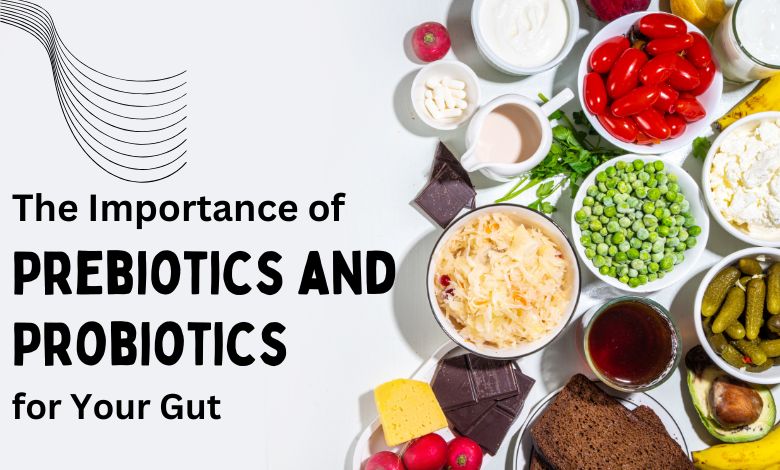
Gut health is fundamental to our overall well-being, influencing digestion, immunity, and even mood. Central to a healthy gut are prebiotics and probiotics. Prebiotics, found in fruits, vegetables, and whole grains, nourish the good bacteria in our gut. Probiotics, live beneficial bacteria present in certain foods and supplements, help maintain a balanced gut environment. Both play crucial roles in supporting digestive health and enhancing our body’s resilience. This brief explores their significance and how incorporating them into our diet can promote a healthier lifestyle.
What are Prebiotics?
Prebiotics are a type of fiber that the human body cannot digest. They serve as food for probiotics, the good bacteria in our gut. These fibers are found in many everyday foods like fruits, vegetables, and whole grains. Eating foods rich in prebiotics helps maintain a healthy gut environment, encouraging the growth of beneficial bacteria. This process is vital for good digestion and overall health. In simple terms, prebiotics help keep the gut’s good bacteria healthy, supporting our body’s ability to absorb nutrients and fight off unwanted pathogens. Including prebiotic-rich foods in our diet is an easy step towards improving our digestive health and well-being.
What are Probiotics?
Probiotics are live bacteria and yeasts that are good for our digestive system. Unlike harmful bacteria that can cause diseases, probiotics are beneficial and play a key role in maintaining gut health. They are naturally found in the body, but we can also get them from certain foods and supplements. Foods like yogurt, sauerkraut, and kimchi are rich in probiotics. These beneficial microorganisms help balance the gut bacteria, which is vital for proper digestion, absorption of nutrients, and supporting the immune system. By adding probiotics to our diet, we aid our gut in fostering a healthy environment for these good bacteria to thrive, enhancing our overall health and well-being.
The Symbiotic Relationship
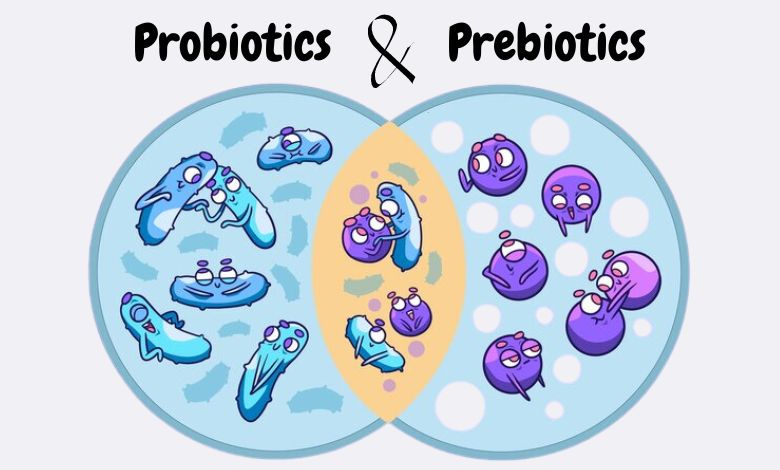
Prebiotics and probiotics share a unique, supportive relationship that is crucial for gut health. This relationship is often referred to as symbiotic, meaning they work together to benefit our digestive system. Prebiotics, which are a type of non-digestible fiber, act as food for probiotics. In other words, prebiotics help nourish and fuel the growth of the good bacteria (probiotics) in our gut.
When prebiotics and probiotics are combined, they create a powerful duo that can enhance gut health more effectively than when they are taken alone. This combination helps to maintain a balanced gut microbiome, which is essential for proper digestion, nutrient absorption, and a strong immune system. Furthermore, a healthy balance of gut bacteria supported by this symbiotic relationship can also contribute to improved mood and energy levels, as the gut is closely linked to overall health and well-being.
Incorporating both prebiotic and probiotic-rich foods into our diet is a straightforward way to support this beneficial interaction and promote optimal gut health.
Health Benefits of Prebiotics and Probiotics
The positive impacts of prebiotics and probiotics on our health are numerous and significant. Here’s a concise list of these benefits:
- Improved Digestive Health: By ensuring a balanced gut microbiome, prebiotics and probiotics aid in better digestion and nutrient absorption. This ensures that the body efficiently utilizes the nutrients from the food we consume.
- Stronger Immune System: The gut plays a crucial role in our immune response. A healthy gut flora, supported by prebiotics and probiotics, enhances the body’s ability to fight off infections and harmful pathogens.
- Better Mood and Mental Health: The gut-brain axis is a vital communication pathway. A balanced gut, achieved through a diet rich in prebiotics and probiotics, can have a positive effect on mood and may contribute to reducing the risk of certain mood disorders.
Incorporating foods rich in prebiotics and probiotics into our diet is an easy step towards harnessing these health benefits, promoting not just a healthier gut but overall well-being.
Incorporating Prebiotics and Probiotics into Your Diet
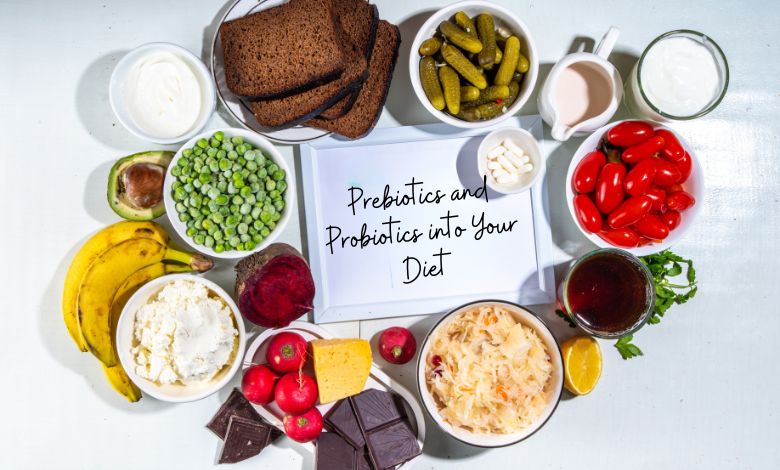
Adding prebiotics and probiotics to your diet is a straightforward process that can lead to significant health benefits. Here are some simple tips to help you get started:
- Eat More Vegetables, Fruits, and Whole Grains: These foods are excellent sources of prebiotics. Bananas, onions, garlic, and asparagus are just a few examples of prebiotic-rich foods that can help nourish the good bacteria in your gut.
- Include Probiotic-Rich Foods: Fermented foods like yogurt, kefir, sauerkraut, and kimchi are packed with probiotics. Incorporating these foods into your meals can help increase the number of beneficial bacteria in your gut.
- Choose High-Quality Supplements: If your diet lacks probiotic and prebiotic foods, consider supplements as an alternative. Look for products with a variety of bacteria strains to get the most benefit.
- Diversify Your Diet: Eating a wide range of foods can help promote a healthy gut microbiome. Try to incorporate a variety of prebiotic and probiotic foods into your diet to maximize gut health benefits.
By making these simple adjustments to your diet, you can support your gut health and enjoy the numerous benefits that prebiotics and probiotics have to offer.
Precautions and Considerations
While adding prebiotics and probiotics to your diet can offer numerous health benefits, there are a few precautions and considerations to keep in mind:
Start Slow: Introducing a large amount of prebiotics or probiotics too quickly can lead to discomfort, such as bloating or gas. It’s best to start with small amounts and gradually increase your intake to give your gut time to adjust.
Listen to Your Body: Everyone’s digestive system is different. Pay attention to how your body responds to certain foods or supplements and adjust your diet accordingly. If you experience any adverse effects, it may be worth reducing your intake or trying different sources of prebiotics and probiotics.
Consider Food Allergies and Sensitivities: Some probiotic and prebiotic foods, such as dairy products, may not be suitable for everyone. If you have food allergies or sensitivities, look for alternative sources that fit your dietary restrictions.
Balance is Key: While beneficial, prebiotics and probiotics are just one part of a healthy diet. Make sure to maintain a balanced diet that includes a variety of nutrients to support overall health.
By keeping these points in mind, you can safely incorporate prebiotics and probiotics into your diet and enjoy their health-promoting benefits.
Conclusion
Prebiotics and probiotics are essential for maintaining a healthy gut, playing a significant role in digestion, immune function, and overall well-being. Incorporating these elements into your diet, while considering any sensitivities and starting gradually, can enhance gut health effectively. A balanced diet, inclusive of a variety of nutrients alongside prebiotics and probiotics, is crucial. By nurturing our gut microbiome with these beneficial components, we take a vital step towards a healthier lifestyle and improved health.