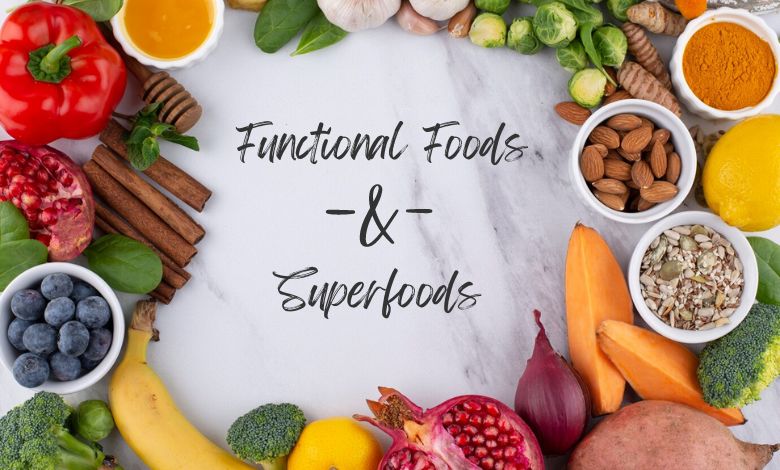
Eating right is essential in our fast-paced lives, where balancing health with daily demands becomes a challenge. Functional foods and superfoods offer convenient solutions, packed with nutrients and health benefits to support our well-being. While functional foods are enhanced to boost health beyond basic nutrition, superfoods are natural powerhouses of vitamins and minerals. These nutritional champions help us maintain health, energy, and vitality, making them key players in a balanced diet. This exploration into functional foods and superfoods reveals their importance in daily consumption for improved health outcomes.
Understanding Functional Foods and Superfoods
Functional foods and superfoods are two terms often mentioned when discussing nutritious eating. Functional foods are those that have been enhanced or fortified in a way that goes beyond basic nutrition. They are designed to improve health and well-being or reduce the risk of disease. For example, some yogurts have added probiotics to support digestive health.
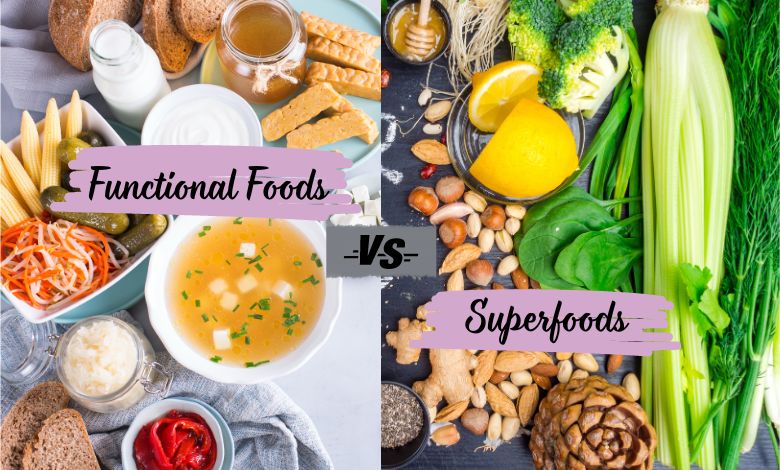
Superfoods, on the other hand, are foods that are naturally rich in nutrients, vitamins, and minerals. They are not modified but are considered exceptionally beneficial for health due to their high concentration of essential nutrients. Examples of superfoods include berries, nuts, and leafy greens, known for their ability to boost the immune system and energy levels.
Both functional foods and superfoods play significant roles in a balanced diet. They help in maintaining good health, supporting bodily functions, and in some cases, preventing certain health issues. Including these foods in daily meals can contribute to a well-rounded, nutrient-rich diet. Understanding the benefits and differences between functional foods and superfoods is key to making informed choices about what we eat.
The Power of Nutrition in Functional Foods
Functional foods are special because they offer more health benefits than just basic nutrition. Here’s a list of some examples and how they help:
- Oats: Rich in soluble fiber, helping to lower cholesterol and support heart health.
- Omega-3 Enriched Eggs: Boost brain health and reduce inflammation.
- Yogurt with Probiotics: Supports digestive health by maintaining healthy gut flora.
- Nuts: Provide healthy fats, protein, and fiber, contributing to heart health and reducing hunger.
- Soy Products: Contain isoflavones which may reduce the risk of heart disease.
- Fatty Fish: Rich in omega-3 fatty acids, supporting brain function and heart health.
- Whole Grains: Offer dietary fiber, reducing the risk of heart disease.
- Fortified Milk: Added vitamin D and calcium for bone health.
- Berries: High in antioxidants, supporting immune function and reducing inflammation.
- Leafy Greens: Loaded with vitamins, minerals, and fiber, promoting overall health.
These functional foods add valuable nutrients to our diet, targeting specific health concerns and contributing to our overall well-being.
Superfoods: Nature’s Gift for Optimal Health
Superfoods are foods naturally rich in nutrients and offer several health benefits. They are considered nature’s gift for optimal health because they are packed with vitamins, minerals, and antioxidants. These foods support our body in various ways, from boosting the immune system to enhancing energy levels.
- Berries: Berries like blueberries and strawberries are full of antioxidants. They help protect our bodies from damage by free radicals.
- Nuts and Seeds: Nuts and seeds, such as almonds and flaxseeds, are high in essential fatty acids, vitamins, and minerals that support heart health and reduce hunger.
- Leafy Greens: Spinach and kale are examples of leafy greens rich in vitamins A, C, E, and K. They promote good health and protect against diseases.
- Whole Grains: Foods like quinoa and oats are whole grains that provide fiber, helping with digestion and heart health.
- Legumes: Beans and lentils are great sources of protein and fiber, supporting muscle health and aiding digestion.
- Green Tea: Known for its high levels of antioxidants, green tea boosts brain function and fat loss.
- Avocados: High in healthy fats, avocados support heart health and provide essential vitamins and minerals.
- Sweet Potatoes: Rich in vitamin A, sweet potatoes support vision and the immune system.
- Garlic: Garlic has compounds with potent medicinal properties, helping to reduce blood pressure and improve cholesterol levels.
Including superfoods in your diet is a simple way to add nutrients that support overall health. They are nature’s way of providing a concentrated source of vitamins, minerals, and antioxidants, contributing to a balanced and healthy lifestyle.
Ethical and Sustainable Choices in Superfoods and Supplements
Choosing ethical and sustainable superfoods and supplements is important for both our health and the environment. This means picking products that are grown and produced in ways that support the well-being of the planet and the people who farm them.
- Look for Organic: Organic foods are grown without harmful pesticides and chemicals, making them better for the environment and our bodies. They support biodiversity and reduce pollution.
- Fair Trade Certified: This label ensures the farmers and workers who produce the superfoods are paid fair wages and work under good conditions. It promotes better trading conditions and sustainability.
- Locally Sourced: Buying superfoods that are grown locally reduces transportation, which lowers carbon emissions. It also supports local economies.
- Eco-Friendly Packaging: Choose superfoods and supplements with minimal packaging to reduce waste. Look for recyclable or biodegradable packaging options.
- Seasonal Choices: Eating superfoods that are in season means they are fresher and have a smaller environmental footprint due to reduced storage and transportation needs.
- Research Brands: Some brands are more committed to sustainability and ethical practices than others. Do some research to find companies that prioritize these values.
Making ethical and sustainable choices when selecting superfoods and supplements not only benefits our health but also supports the health of our planet. It’s about making informed decisions that contribute to a better world for future generations.
Cooking and Preparing Meals with Functional Foods and Superfoods
Cooking and preparing meals with functional foods and superfoods can be a simple way to boost your diet’s nutritional value. Here are some straightforward tips for incorporating these powerful ingredients into your daily meals:
- Start with Smoothies: Blend leafy greens like spinach or kale with berries and a banana for a nutrient-rich smoothie. Add a spoonful of flaxseed or chia seeds for extra fiber and omega-3s.
- Upgrade Your Salads: Toss your salads with a variety of colorful vegetables, nuts, and seeds. Dress with olive oil and lemon juice for an added health boost.
- Snack Smart: Choose snacks that include nuts, seeds, or yogurt. These are not only satisfying but also provide essential nutrients.
- Incorporate Whole Grains: Replace white rice and pasta with whole grains like quinoa, barley, or brown rice. These grains offer more fiber and can help keep you full longer.
- Boost Your Breakfast: Start your day with oats or whole grain cereals. Top with fresh fruit and nuts for extra vitamins and minerals.
- Cook with Herbs and Spices: Herbs and spices not only add flavor without the extra calories but many, like turmeric and ginger, offer health benefits.
- Choose Lean Proteins: Include lean protein sources like fatty fish or legumes in your meals. They provide essential nutrients without added fats.
- Healthy Fats: Use healthy fats like avocado or olive oil in cooking and baking. They’re good for your heart and help you absorb vitamins from your food.
By incorporating functional foods and superfoods into your meals, you can enjoy delicious dishes that are also good for your health. With a bit of creativity, it’s easy to make these nutritious foods a regular part of your diet.
The Holistic Benefit of Functional Foods and Superfoods
Functional foods and superfoods offer holistic benefits that extend beyond basic nutrition. By providing targeted nutrients, functional foods improve aspects like digestion and immune support, while superfoods, packed with vitamins and antioxidants, aid in disease prevention and enhance energy. This approach supports not just physical well-being but also mental and emotional health, contributing to overall vitality. Incorporating these foods into daily meals promotes a balanced, healthy lifestyle, enriching both body and mind.
Conclusion
Functional foods and superfoods are crucial for maintaining a balanced and nutritious diet. Functional foods, with their enhanced nutrients, target specific health concerns and support overall well-being. Superfoods, rich in essential vitamins and minerals, offer a wide range of health benefits, from boosting the immune system to increasing energy levels. By incorporating these powerful foods into our daily diets, we can improve our health in significant ways. It’s about making informed choices and understanding the value these foods bring to our meals and our lives. Eating right, with a focus on functional foods and superfoods, is a step towards a healthier, more vibrant life.