Green tea is known worldwide not just as a refreshing drink but also for its potential health benefits. This beverage, steeped in both history and antioxidants, has been a part of traditional practices for centuries. At the core of its health claims is a component called EGCG, a type of antioxidant that many believe to play a key role in enhancing well-being.
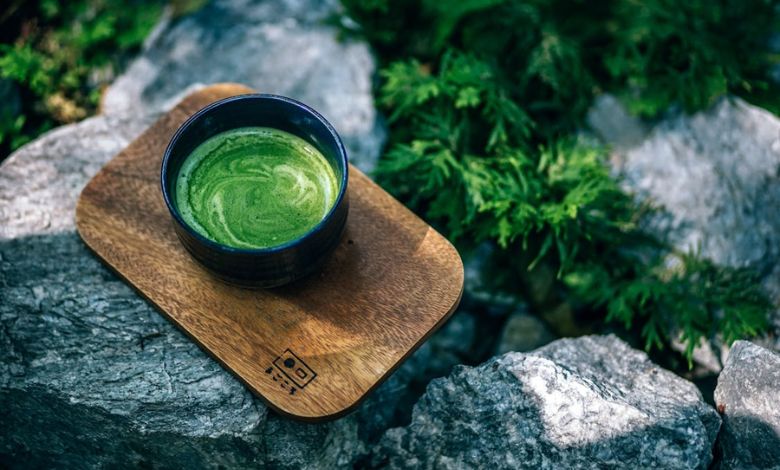
Let’s take a closer look at green tea’s acclaimed anti-aging properties, its impact on heart health, its role in cancer prevention, and its benefits for skin care. As we step into the science and studies behind these benefits, we aim to provide a clear, straightforward understanding of why green tea might just be more than a simple beverage for many.
The Science Behind Green Tea’s Health Benefits
Green tea’s reputation as a health booster is largely due to its antioxidants, substances that protect our cells from damage. Among these antioxidants, catechins take the spotlight. They’re a type of antioxidant that’s especially good at fighting off free radicals. Free radicals are harmful molecules that can cause damage to our cells and DNA, speeding up the aging process and contributing to diseases.
The star among catechins in green tea is EGCG (Epigallocatechin-3-gallate). It’s been the focus of much scientific study because of its potential to help in various health areas. EGCG is thought to be particularly effective in supporting the body’s immune defense, reducing inflammation, and even playing a role in managing and preventing certain health conditions.
This science-backed perspective shows green tea in a different light—not just as a comforting beverage but as a source of powerful compounds. These compounds could significantly impact our health, offering benefits that extend well beyond simple hydration. By incorporating green tea into our routines, we might tap into a natural source of antioxidants that support overall well-being.
Immune System Support
Green tea’s benefits for the immune system are linked to its rich content of antioxidants, particularly catechins. These natural compounds play a vital role in supporting the body’s defense mechanisms. Here’s how green tea can contribute to immune system support:
- Antioxidant Power: The catechins in green tea help protect cells from the damage caused by free radicals, which are unstable molecules that can weaken the immune system.
- Supports Immune Function: The antioxidants found in green tea, including EGCG, are believed to support the overall function of the immune system, helping the body to fend off illness.
- Oxidative Stress Reduction: By combating oxidative stress, green tea aids in maintaining the integrity of cells, including those of the immune system.
- General Well-being: The compounds in green tea may contribute to general health and well-being, which is essential for a robust immune system.
By including green tea in a balanced diet, individuals might support their immune system’s health, leveraging the natural benefits of its antioxidant properties.
Brain Health and Cognitive Function
Green tea is not only refreshing but also can play a role in supporting brain health and cognitive function. Its natural components, especially caffeine and L-theanine, work together to provide several benefits:
- Enhances Alertness: Caffeine, a well-known stimulant, helps increase alertness and attention, making it easier to focus on tasks.
- Improves Mood: L-theanine, an amino acid found in green tea, has been shown to have a calming effect, which can improve mood and reduce stress.
- Boosts Cognitive Performance: The combination of caffeine and L-theanine in green tea can enhance cognitive performance, including better reaction times and memory.
- Potential Long-Term Benefits: Some studies suggest that the antioxidants in green tea, including catechins, may offer protective effects on the brain, possibly lowering the risk of cognitive decline as we age.
Green tea’s unique blend of caffeine and L-theanine, along with its antioxidant properties, contributes to both immediate and potential long-term benefits for brain health and cognitive function.
Metabolic Boost and Weight Management
Green tea has gained attention for its potential role in metabolic boost and weight management. This is attributed to several key components in green tea that work together to support these benefits:
- Increases Metabolic Rate: Studies suggest that green tea can increase the metabolic rate in the short term, meaning the body burns energy faster than it normally would.
- Enhances Fat Burning: The catechins in green tea, particularly EGCG, have been linked to enhanced fat burning during exercise. This makes it a popular choice among those looking to manage their weight.
- Supports Weight Loss Efforts: While green tea is not a miracle weight loss solution, it can support weight loss efforts, especially when combined with a healthy diet and regular exercise.
- May Help Maintain Weight Loss: Beyond just losing weight, green tea may help people maintain their weight loss over time, particularly in the abdominal area.
Incorporating green tea into a balanced lifestyle can contribute to metabolic health and assist in weight management goals.
Cancer Prevention
Green tea is known for its rich content of antioxidants. Among these, a compound called EGCG stands out. This compound has caught the attention of many researchers for its potential health benefits. One area of interest is its role in cancer prevention.
Studies suggest that the antioxidants in green tea, especially EGCG, may help protect cells from damage. This kind of cell damage is associated with various types of cancer. Research indicates that people who drink green tea may have a lower risk of certain cancers. These include breast, prostate, and colorectal cancers.
It’s important to note, however, that the evidence is not conclusive. While some studies show promising results, the overall picture remains mixed. More research is needed to understand fully how green tea can contribute to cancer prevention.
Green tea may offer protective benefits against certain cancers through its antioxidant properties. However, it’s not a guaranteed prevention method. Continuing research aims to clarify these potential benefits further.
Heart Health and Longevity
Green tea’s benefits extend beyond temporary health boosts, playing a significant role in heart health and potentially contributing to longevity. The components of green tea, particularly its antioxidants, have been linked to several key benefits:
- Improves Cholesterol Levels: Consuming green tea has been associated with improved levels of cholesterol, including a reduction in LDL (bad) cholesterol, which is a risk factor for heart diseases.
- Supports Blood Pressure: Regular intake of green tea may help in maintaining healthy blood pressure levels, a crucial factor in heart health.
- Antioxidant Properties: The antioxidants in green tea help protect against oxidative stress, which can lead to heart disease. By fighting off free radicals, green tea aids in preserving the health of heart cells.
- Linked to Lower Risk of Heart Disease: Studies have shown that people who drink green tea may have a lower risk of developing heart disease, thanks to its blend of beneficial compounds.
- Contributes to Longevity: The heart health benefits of green tea might also contribute to longer life. Research suggests that regular consumption of green tea is associated with a reduced risk of all-cause mortality, including death from heart disease.
Regular consumption of green tea, as part of a healthy lifestyle, could support heart health and contribute to a longer, healthier life.
Beyond Drinking: Other Ways to Enjoy Green Tea’s Benefits

For those who might not prefer green tea as a beverage, there are alternative ways to enjoy its health benefits. The versatility of green tea allows it to be incorporated into various forms, making it accessible to everyone. Here are some other ways to enjoy the benefits of green tea:
- Green Tea Extract Supplements: Available in capsule or tablet form, these supplements offer a concentrated dose of green tea’s antioxidants, including EGCG.
- In Skincare Products: Green tea extract is a popular ingredient in skincare products for its antioxidant and anti-inflammatory properties, helping to protect the skin from damage and aging.
- Cooking and Baking: Ground green tea leaves, known as matcha, can be used in cooking and baking. Matcha adds a burst of flavor and health benefits to smoothies, desserts, and savory dishes.
- Iced Green Tea: For a refreshing alternative to hot tea, iced green tea can be enjoyed with a squeeze of lemon or mixed with fruits for a flavorful drink.
- Green Tea-Infused Water: Soaking green tea bags in cold water for an extended period can create a mild, cold-brewed tea that’s less bitter and can be sipped throughout the day.
These alternative methods allow individuals to harness the health benefits of green tea in a way that suits their tastes and lifestyle, ensuring everyone can access the antioxidant power of green tea.
Conclusion
Green tea offers a range of health benefits, from boosting immune function and brain health to improving metabolism and heart health, thanks to its rich antioxidant content, particularly EGCG. Beyond just a drink, green tea can be enjoyed in many forms, such as supplements, skincare products, and in cooking, making it a versatile addition to any health regimen.
Explore the variety of green tea products available to enhance your health routine. Whether you prefer brewing a hot cup, using supplements, or trying green tea in culinary creations, there’s an option for everyone.
We’re keen to hear from you. Share your green tea experiences or questions about its health benefits in the comments below. Your insights can inspire and guide others in exploring the healthful potentials of green tea.