
In the journey towards enhanced wellness, the pivot to organic supplements marks a conscious choice for many. These natural alternatives, rooted in whole food sources, offer nutrients in a form easily embraced by the body, differentiating them significantly from synthetic variants crafted in labs. This choice not only reflects a commitment to personal health but also underscores a broader responsibility towards environmental stewardship. With a focus on sustainability and natural purity, organic supplements align with a holistic approach to well-being, merging individual health ambitions with ecological mindfulness.
What Are Organic Supplements?

Organic supplements come from natural sources, including various fruits, vegetables, and plants. They differ from synthetic supplements, which are manufactured in laboratories. These organic products are drawn directly from nature and are processed minimally to preserve their natural nutrients, offering a product that remains as true to its natural form as possible. To qualify as organic, these supplements must meet strict standards, ensuring they are free from harmful pesticides, chemicals, and genetically modified organisms (GMOs). This stringent certification process ensures that the supplements offer pure, natural ingredients intended to enhance health without any artificial additives.
Choosing organic supplements is a conscious decision for many seeking a healthier lifestyle. People turn to these natural options believing they are not only better for their bodies but also for the environment. The belief is that organic supplements, by virtue of their natural sourcing and minimal processing, are more easily recognized and utilized by the body. Additionally, the production of organic supplements supports sustainable farming practices. These practices help in preserving the earth’s ecosystems by avoiding the use of toxic pesticides and fertilizers. As such, when you opt for organic supplements, you’re not just making a choice for your personal health. You’re also making a choice that supports the health of the planet.
The Benefits of Going Organic
Choosing organic supplements offers a variety of advantages that impact both personal health and the environment positively. Here’s a breakdown of the key benefits:
For Personal Health:
- Safer Consumption: Organic supplements are produced without harmful pesticides or synthetic fertilizers, minimizing your exposure to potential toxins.
- Higher Nutrient Density: These supplements are derived from whole foods and undergo minimal processing, preserving their natural vitamins and minerals for enhanced nutritional support.
- Less Processing: With less processing, organic supplements maintain more of their natural goodness, providing a purer form of nutrition.
- Reduced Chemical Exposure: Opting for organic means avoiding the intake of artificial chemicals often found in synthetic supplements, contributing to overall well-being.
For the Environment:
- Sustainable Practices: Organic farming supports soil health, reduces pollution, and conserves water, helping to sustain our planet’s ecosystems.
- Promotes Biodiversity: By avoiding harmful chemicals, organic farming encourages a healthier biodiversity, ensuring natural balance and sustainability.
- Supports Local Farming: Choosing organic can also mean supporting local farmers who use sustainable practices, reducing the environmental impact associated with long-distance transportation of goods.
- Lower Carbon Footprint: Organic farming typically requires less energy, contributing to lower carbon emissions and a healthier planet.
Understanding the Labels
Understanding the labels on organic supplements is crucial for making informed choices that align with your health and ethical standards. A “Certified Organic” label indicates that the supplement contains at least 95% organic ingredients and meets the stringent requirements set by certification bodies, such as the USDA (United States Department of Agriculture). This ensures compliance with organic production rules, and the presence of the official seal confirms it. Products labeled “Made with Organic Ingredients” have at least 70% organic components but don’t qualify for the organic seal, although they list which ingredients are organic. A “100% Organic” label is the gold standard, signifying that every single ingredient in the supplement is organic. Additionally, a “Non-GMO” label means that none of the ingredients have been genetically modified, a feature often sought after by those choosing organic products. By understanding these labels, you can select supplements that not only meet your health goals but also adhere to the high quality and ethical standards that come with organic certification.
Organic vs. Synthetic Supplements: Detailed Comparison
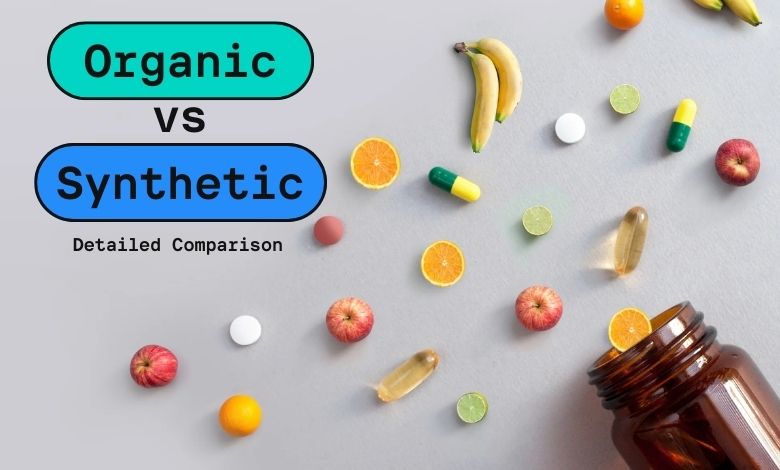
Organic Supplements:
- Natural Sources: Derived from plants, minerals, and other natural materials.
- Minimal Processing: Processed lightly to keep nutrients close to their original, natural state, enhancing bioavailability.
- High Bioavailability: The body potentially recognizes and absorbs these nutrients more effectively due to their natural form.
- Eco-Friendly Production: Avoids harmful pesticides, synthetic fertilizers, and GMOs, supporting sustainable agricultural practices.
- Health Benefits: Aim to offer a cleaner and more holistic approach to supplementation, with a focus on overall wellness.
- Certification Standards: Must meet strict organic certification standards, ensuring products are genuinely organic.
Synthetic Supplements:
- Laboratory-Made: Manufactured in labs, these supplements are designed to mimic natural nutrients using chemical compounds.
- Engineered for Nutrition: Specifically created to replicate the benefits of natural nutrients, albeit through a synthetic process.
- Variable Bioavailability: There’s ongoing debate about the body’s ability to utilize synthetic nutrients compared to natural ones.
- Environmental Considerations: The manufacturing process may not prioritize eco-friendly practices, focusing more on efficiency and cost.
- Cost-Effectiveness: Often more affordable than organic options due to lower production costs.
- Regulation and Quality: Subject to regulatory standards, but without the organic certification process.
Key Points of Consideration:
- Source and Purity: Organic supplements are preferred for their pure, unadulterated nutrient sources, while synthetic ones offer a controlled nutrient composition.
- Absorption and Effectiveness: The natural composition of organic supplements may facilitate better absorption and effectiveness, although synthetic supplements are engineered to offer similar nutritional benefits.
- Environmental Impact: Choosing organic supports environmentally sustainable practices, whereas synthetic supplements’ impact varies based on manufacturing processes.
- Cost and Accessibility: Synthetic supplements are generally more accessible and cost-effective, making them a viable option for those on a budget.
- Certification and Trust: Organic products undergo a rigorous certification process, providing a level of trust and assurance in their quality and origin.
The choice between organic and synthetic supplements hinges on individual preferences, health goals, environmental values, and budget considerations. Understanding these key differences can help consumers make informed decisions aligned with their personal wellness philosophy.
Incorporating Organic Supplements into Your Routine
Incorporating organic supplements into your daily routine is a straightforward process that begins with identifying your specific health needs to choose supplements that fill dietary gaps. Conduct thorough research to select high-quality products from reputable brands with credible organic certifications, paying close attention to product labels and consumer reviews. If you’re new to supplements, it’s wise to start with a lower dose to monitor your body’s reaction and gradually adjust as needed. Integrating supplements with your meals can enhance absorption, particularly for fat-soluble vitamins, and help embed this practice into your daily habits. Listening to your body’s response is crucial for fine-tuning your supplement regimen. Consistency in taking your organic supplements is vital for achieving the best results, but remember, they should complement a balanced diet and healthy lifestyle rather than replace them. Adopting this mindful approach to using organic supplements can contribute significantly to your overall wellness journey, providing sustainable health benefits.
Overcoming Common Misconceptions
Misconception 1: Less Effective than Synthetic
- Truth: Organic supplements are derived from natural sources, providing a broad spectrum of easily absorbable nutrients. Their effectiveness is comparable to, if not better than, synthetic options due to their natural composition and bioavailability. Misconception 2: Automatically Allergen-Free and Safe for Everyone
- Truth: While organic supplements are free from synthetic chemicals and pesticides, they can still contain natural allergens. It’s essential to review ingredients for potential allergens specific to individual sensitivities. Misconception 3: Significantly More Expensive
- Truth: The cost of organic supplements can be higher due to sustainable farming and processing. However, the price difference is often minimal, and the health benefits from consuming cleaner products can justify the extra cost. Misconception 4: Unnecessary with a Healthy Diet
- Truth: Even with a balanced diet, modern farming practices may not provide all the nutrients needed. Organic supplements offer a way to obtain additional nutrients that might be missing or insufficient in your diet. Misconception 5: Organic Equals 100% Natural Without Any Processing
- Truth: Organic supplements undergo minimal processing to retain nutrient integrity but are still processed to some extent. The key is that this processing doesn’t strip away significant nutritional value and avoids synthetic additives. Misconception 6: Organic Certification Guarantees Complete Safety
- Truth: Organic certification focuses on the product’s natural sourcing and manufacturing process. While it indicates a higher standard of production, consumers should still consider their unique health needs and consult with healthcare professionals as needed. By addressing these misconceptions, individuals can make more informed choices about including organic supplements in their health and wellness routines, ensuring those choices align with their dietary needs and environmental values.
Conclusion
Organic supplements offers an opportunity to enhance wellness with products that align closely with nature’s blueprint. These supplements stand out for their natural sourcing, higher bioavailability, and reduced environmental footprint, presenting a compelling option for those looking to enrich their dietary intake responsibly. By addressing common misconceptions, individuals can appreciate the true value of organic supplements in a balanced diet. Making an informed choice between organic and synthetic options involves considering personal health objectives, environmental concerns, and budget. Ultimately, the decision to incorporate organic supplements into one’s routine reflects a commitment to both personal health and the health of our planet.