In recent years, there’s been a significant rise in awareness about the health of our planet and the impact of our choices on the environment. This growing consciousness has sparked an interest in sustainable living, encouraging individuals to seek out ways to live in harmony with the earth. Among the many steps toward a greener lifestyle, selecting eco-friendly products stands out as a crucial action. These products are designed and manufactured with the least possible harm to the environment, making them a responsible choice for those looking to reduce their ecological footprint.
Choosing eco-friendly products isn’t just about protecting the environment; it’s also about making choices that align with a healthier lifestyle. By opting for products that are made from natural, sustainable materials and avoiding those that contain harmful chemicals, we contribute to a safer, cleaner, and more sustainable world. This approach is at the heart of Sustainable Health Choices, a category dedicated to promoting eco-friendly fitness gear, organic and natural supplements, and green living products. It’s designed for those who not only care about their own health and well-being but also the health of the planet. Embracing eco-friendly products is a direct path to living in accordance with these values, ensuring that our health choices support a sustainable and thriving environment.
Understanding Eco-Friendly Products
Eco-friendly products are made to minimize harm to the environment. They use materials that are sustainable, meaning they don’t deplete natural resources or damage the planet. These products aim to support a future where the environment is protected.
The benefits of choosing eco-friendly products include reducing our carbon footprint, which helps fight climate change. They conserve natural resources by using less water, energy, and recycled materials. Finally, they cut down on pollution by avoiding harmful chemicals in their production and disposal. This makes the air, water, and soil cleaner and safer for everyone.
Key Considerations When Choosing Eco-Friendly Products
Materials Used
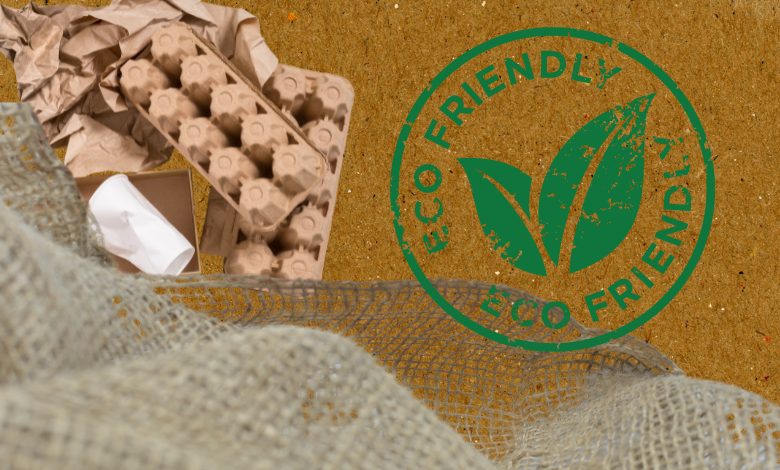
It’s crucial to pick products made from natural, renewable, and biodegradable materials. These materials come from sources that can replenish themselves or break down safely after use, causing little harm to the environment. Avoid products with harmful chemicals or materials that come from non-sustainable sources.
Manufacturing Process
Look for products made through energy-efficient manufacturing processes. These processes use less energy and produce fewer emissions and waste. This approach is better for the planet, reducing the overall environmental impact of the goods we buy.
Packaging
Opt for products with minimal or eco-friendly packaging. Excessive packaging, especially if it’s not recyclable, adds unnecessary waste to landfills. Choosing products with less packaging, or packaging made from recycled or biodegradable materials, helps cut down on this waste.
Certifications and Labels
Pay attention to certifications and labels on products. These can tell you if a product is organic, fair trade, or has met other sustainability standards. Certifications can help you trust that the product truly is eco-friendly and meets certain environmental or social criteria.
Durability and Longevity
Choose durable products that are built to last. Products that don’t need to be replaced often are better for the environment because they reduce waste and save resources. Durable goods may cost more upfront, but they often save money in the long run by lasting longer.
By considering these factors, you can make more informed choices that support a healthier.
Practical Tips for Finding and Purchasing Eco-Friendly Products
- Researching Eco-Friendly Options: Start by looking for products with eco-friendly certifications. These labels tell you the product meets specific standards for sustainability. Reading online reviews can also help. Reviews often give insights into how eco-friendly and effective a product really is. They can tell you if the product lives up to its eco-friendly claims.
- Considering the Product’s Lifecycle: Think about the entire lifecycle of a product. This means looking at how it’s made, used, and disposed of. Choose products that are made in ways that are kind to the environment, are durable during use, and can be recycled or decompose naturally at the end of their life.
- Supporting Ethical Companies: Try to buy from companies that act in ethical ways. This includes treating workers fairly, using eco-friendly manufacturing processes, and being transparent about how they make and source their products. Companies that care about these things are more likely to produce truly eco-friendly products.
- Buying Local: Buying products made locally can reduce the carbon footprint associated with shipping goods long distances. Local products often have less packaging, too. Plus, buying local supports your community’s economy and can help you find unique eco-friendly products not available elsewhere.
- Reducing Packaging Waste: Look for products with minimal packaging to cut down on waste. When packaging is necessary, choose products with packaging made from recycled or recyclable materials. Some stores even offer bulk buying options, which can significantly reduce the amount of packaging waste.
By following these strategies, you can make more eco-friendly choices that are good for the planet and your lifestyle.

The Benefits of Using Eco-Friendly Products
Eco-friendly products offer significant environmental and health benefits by reducing pollution, conserving resources, and minimizing exposure to harmful chemicals. They often lead to long-term cost savings due to their durability and efficiency, outweighing the initial investment. By choosing sustainable options, individuals support industries that prioritize the planet’s health, encouraging a shift towards more responsible production practices. This collective effort contributes to a cleaner environment, conserves natural resources for future generations, and fosters a society that values sustainability, showcasing the broader benefits of adopting eco-friendly habits for both the planet and its inhabitants.
Conclusion
Making informed choices towards eco-friendly living is more than just a trend; it’s a commitment to a healthier planet and a more sustainable lifestyle. By choosing products that are kind to the environment, we take significant steps in reducing our ecological footprint, supporting ethical practices, and promoting a culture of sustainability. Embracing sustainable products aligns perfectly with the values of the Sustainable Health Choices category, which emphasizes the importance of eco-friendly fitness gear, organic supplements, and green living products. As we continue to prioritize these choices, we not only contribute to the well-being of our environment but also ensure a healthier, more sustainable future for ourselves and generations to come. Let’s all make conscious decisions to support and embrace eco-friendly products, reinforcing our dedication to sustainability and a greener planet.