Garlic, with its distinctive aroma and flavor, has been a key ingredient in global cuisines for centuries. More than just a culinary favorite, garlic is valued in different cultures for its health benefits. This versatile ingredient, rich in nutrients and beneficial compounds, plays a significant role in promoting health, especially in combating age-related diseases.
Our exploration focuses on understanding how garlic can play a role in reducing the risks associated with age-related diseases. From boosting the immune system to supporting heart health and protecting cognitive functions, garlic’s potential benefits are backed by both historical use and modern scientific research.
This article aims to shed light on the ways garlic might help us maintain our health as we age, without delving into medical advice or prescription drugs. Let’s delve into the specifics of garlic’s nutritional profile and its role in promoting a healthier, longer life.
The Nutritional Profile of Garlic
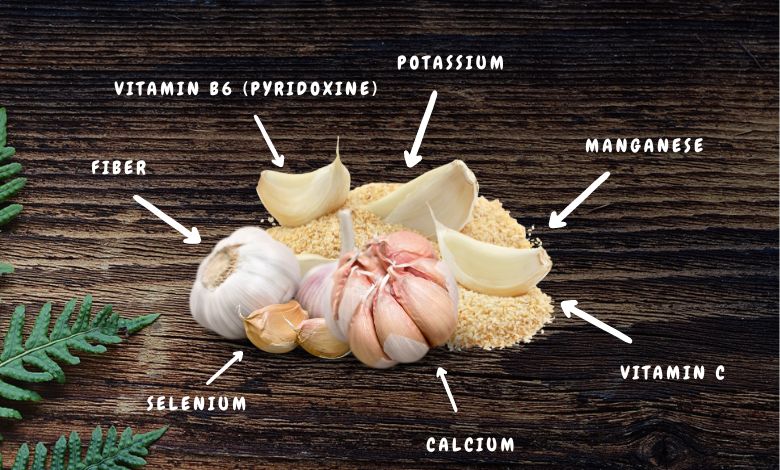
Garlic, while small in size, is incredibly rich in nutrients and stands as a significant contributor to a balanced diet. A glance at a single garlic clove reveals it’s more than just a flavor booster; it’s a low-calorie package brimming with essential nutrients. Particularly noteworthy are its vitamin C and vitamin B6 content, both of which are pivotal for immune system function and overall health maintenance.
Minerals like manganese, found abundantly in garlic, play a crucial role in bone health and metabolic processes, while selenium, another mineral present in garlic, is important for reproductive health, thyroid gland function, and DNA production. These nutritional elements highlight garlic’s role beyond culinary applications, emphasizing its contribution to a healthy eating plan.
The antioxidants in garlic are especially significant for their health benefits. When you chop, crush, or chew garlic, it forms sulfur-containing compounds, which are thought to be behind its health-promoting properties. One of these compounds, allicin, is known for its antioxidant abilities, helping to fight off oxidative stress in the body that can lead to chronic diseases.
Although allicin is unstable and changes quickly, the process of digesting garlic allows these beneficial compounds to be released, supporting the body’s ability to protect itself from damage. The presence of these antioxidants, along with garlic’s nutrient-rich profile, underpins its potential as a natural way to bolster health, offering more reasons to include garlic in a varied and balanced diet.
Garlic and Immune System Enhancement
Garlic is renowned not just for its flavor but also for its capacity to enhance the immune system. This culinary staple contains specific compounds that, when consumed, can positively affect the body’s defense mechanisms. Here’s how garlic supports immune health:
- Boosts White Blood Cell Function: Garlic can increase the activity of white blood cells, the body’s first line of defense against infections like the common cold or the flu.
- Reduces Severity of Cold Symptoms: Regular consumption of garlic is linked to shorter and less severe colds, suggesting that garlic helps the immune system fight off respiratory infections more effectively.
- Allicin Content: The compound allicin, released when garlic is crushed or chopped, is believed to be key in stimulating immune responses. This compound is known for its antimicrobial properties, which can help the body ward off and fight infections.
Incorporating garlic into meals not only adds depth to the flavor but also contributes to a stronger immune system. While garlic is not a substitute for medical treatments, it serves as a natural complement to a healthy diet, offering a straightforward strategy for enhancing overall health through improved immune function. This positions garlic as a valuable ingredient for anyone looking to support their body’s health naturally.
Garlic’s Role in Cardiovascular Health
Garlic plays a significant role in supporting cardiovascular health, a critical aspect of overall well-being. Its impact on heart health comes from its ability to influence two major factors: blood pressure and cholesterol levels. Here’s a closer look at how garlic contributes to cardiovascular wellness:
- Blood Pressure Management: Garlic has been observed to help lower high blood pressure, a major risk factor for heart disease. Studies suggest that regular consumption of garlic, especially in its supplement form, can lead to a noticeable reduction in blood pressure readings for those with hypertension.
- Cholesterol Levels: Garlic is also known for its ability to affect cholesterol levels. Specifically, it can reduce total cholesterol and LDL (often referred to as “bad” cholesterol), which are linked to increased risk of heart disease. By managing these levels, garlic can help keep the arteries clear and reduce the risk of plaque buildup.
These benefits are attributed to garlic’s unique compounds, which include allicin, known for its health-promoting properties. While garlic should not be seen as a replacement for medical treatments, incorporating it into one’s diet can serve as a natural strategy to support heart health. This makes garlic a valuable addition to a heart-healthy diet, offering a simple yet effective way to enhance cardiovascular wellness.
Garlic and Brain Health
Garlic, often celebrated for its flavor-enhancing properties and health benefits for the body, also extends its advantages to the brain. This common ingredient is emerging as a supportive factor in maintaining brain health and cognitive function.
Through its unique composition, garlic offers a blend of nutrients and bioactive compounds that collectively contribute to its neuroprotective effects. As we delve deeper into the relationship between garlic and brain health, it becomes evident that this humble kitchen staple may hold the key to supporting mental acuity and protecting against cognitive decline.
Antioxidant Properties
Central to garlic’s benefit for the brain is its rich array of antioxidants. These substances are crucial for combating oxidative stress, a condition implicated in the aging process and the development of neurodegenerative diseases. The antioxidants in garlic help neutralize free radicals, potentially safeguarding the brain from the damage that can lead to cognitive deterioration.
Support Against Cognitive Decline
The potential of garlic to support brain health doesn’t stop with its antioxidant capacity. Research indicates that garlic’s bioactive compounds could play a role in mitigating the risk of cognitive decline. By promoting overall brain health and functioning, garlic may offer a layer of protection against the challenges that come with aging, contributing to the preservation of cognitive abilities over time.
Incorporating garlic into the diet represents a simple yet effective approach to leveraging its neuroprotective benefits. As research continues to unfold, the link between garlic consumption and brain health strengthens, highlighting garlic as a valuable component of a diet aimed at supporting cognitive function and delaying the onset of age-related cognitive decline.
The Anti-aging Effects of Garlic
Garlic stands out not just for its culinary uses but also for its potential to slow the aging process. Its antioxidants, like allicin, actively protect the body from free radical damage. Such damage accelerates aging, impacting skin health, cognitive function, and overall vitality. By actively neutralizing these free radicals, the antioxidants in garlic can help delay aging signs and protect cells from deterioration.
In addition to its antioxidant properties, garlic offers several health benefits that contribute to its anti-aging effects:
- Supports cardiovascular health by helping to maintain healthy blood pressure and cholesterol levels.
- Boosts the immune system, enhancing the body’s ability to fight off infections.
Incorporating garlic into the diet regularly can play a crucial role in preserving health and vitality, offering a natural approach to reducing the risk of age-related conditions and promoting longevity.
Garlic and Bone Health
Garlic’s benefits extend beyond heart health and cognitive function; it also plays a role in supporting bone health. This natural ingredient is packed with nutrients that are essential for maintaining strong bones and overall skeletal wellness. The relationship between garlic and bone health is grounded in its nutrient content and the bioactive compounds it contains, which together contribute to its potential positive impact on bone density and strength.
Nutrient-Rich Profile for Bone Health
Garlic is a source of beneficial nutrients like manganese, a mineral important for bone formation and strength. Alongside manganese, garlic provides trace amounts of other minerals such as calcium and phosphorus, which are vital for bone health. These nutrients work in synergy to support the skeletal system, making garlic a valuable addition to a bone-healthy diet.
Potential Role in Reducing Bone Loss
Emerging research suggests that garlic may help in reducing bone loss, especially in populations at risk for osteoporosis, such as postmenopausal women. The compounds in garlic are thought to have a positive effect on bone by minimizing bone loss and enhancing bone health. While the exact mechanisms are still being studied, the current evidence points to garlic’s potential to support bone density and overall bone health.
Incorporating garlic into daily meals could be a simple yet impactful way to support bone health. As research continues to explore the depth of garlic’s benefits, its role in maintaining and supporting bone density offers another reason to consider garlic a valuable component of a nutritious and balanced diet.
Practical Tips for Including Garlic in Your Diet
Integrating garlic into your diet can be both easy and beneficial for your health. Here are some straightforward and effective ways to make garlic a regular part of your meals:
Start with Fresh Garlic
- Use Fresh Cloves: Opt for fresh garlic cloves over pre-minced versions to ensure you’re getting the most out of its health benefits. Fresh garlic not only offers better flavor but also retains more of its health-promoting properties.
- Let It Sit: After chopping or crushing garlic, let it sit for a few minutes before cooking. This process allows allicin, a compound in garlic known for its health benefits, to form.
Easy Ways to Add Garlic to Meals
- Cooking: Incorporate garlic into soups, sauces, and stews. It adds depth of flavor to any dish it’s cooked with. Garlic can be sautéed with onions as a base for various recipes or roasted whole to serve as a side dish.
- Raw: Use raw garlic in salad dressings or salsas for a zesty kick. When eaten raw, garlic’s health benefits are maximized, although its strong flavor might not be for everyone.
- Roasted: Roasting garlic softens its flavor and gives it a creamy texture that can be spread on bread or mixed into mashed potatoes.
Make Garlic a Daily Feature
- Diversify Your Use: Don’t just stick to one way of including garlic in your diet. Experiment with different methods to enjoy a range of flavors and health benefits.
- Moderation is Key: While garlic is beneficial, it’s best consumed in moderation. One to two cloves a day is generally considered a good amount.
By following these simple tips, you can easily make garlic a staple in your diet. Whether you’re looking to boost your immune system, support your heart health, or simply enjoy the rich flavors garlic brings to the table, these practical suggestions can help you seamlessly incorporate garlic into your daily meals.
Conclusion
Garlic, a simple yet powerful ingredient, offers a wide range of health benefits that extend from boosting the immune system to supporting cardiovascular and brain health, and even aiding in bone strength. Its rich nutritional profile, filled with essential vitamins, minerals, and antioxidants, makes it an excellent addition to any diet. The practicality of incorporating garlic into daily meals, whether through cooking, roasting, or even consuming it raw, allows for versatility in how one can enjoy its benefits. While garlic is not a cure-all and should be consumed as part of a balanced diet, its inclusion in regular meals can contribute positively to overall health and wellness. By embracing garlic for its taste and health benefits, one can take a simple step towards a healthier lifestyle.