Meditation is an ancient practice known for its benefits to mental health, such as improving focus and reducing stress. Traditionally, it involves exercises like focusing on breathing or paying attention to one’s thoughts and feelings. In recent years, technology has started to blend with wellness practices, including meditation. This combination has led to the development of digital platforms and apps designed to make meditation more accessible and personalized. These technological tools offer new ways to practice meditation, making it easier for individuals to incorporate it into their daily routines. Let’s explore how digital meditation platforms and apps are changing the way people meditate, aiming to enhance mental health and wellness in our fast-paced, digital world.
The Rise of Digital Meditation
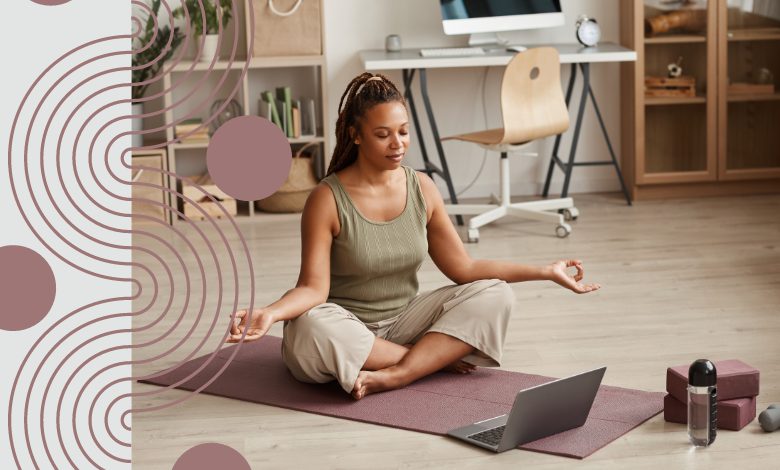
Digital meditation programs are a modern twist on an ancient practice, using technology to bring meditation into the digital age. These programs, often in the form of apps, have been developed to meet the user right where they are, making meditation more accessible than ever before. By leveraging technology, these digital platforms can personalize the meditation experience, adjusting to the individual’s pace and progress. This personalization ensures that users aren’t overwhelmed or under-challenged, fostering a more engaging and effective meditation practice.
The advent of digital meditation has particularly appealed to tech-savvy individuals. With smartphones and tablets being integral parts of daily life, incorporating meditation into these devices makes sense. Users can access guided meditations, track their progress, and receive feedback—all at their fingertips. This ease of access means that more people can incorporate meditation into their busy schedules, breaking down barriers to practice. Whether someone is a beginner or has been practicing meditation for years, digital platforms offer something for everyone, tailoring the experience to fit the user’s needs and lifestyle. This personalized approach has made meditation not just more accessible, but also more appealing to a wider audience, fostering a modern way to enhance mental well-being through technology.
How Does Digital Meditation Work?
Using a digital meditation app is a straightforward process designed to guide users from the very beginning. Initially, users are typically greeted with guided instructions, often voiced by experts or experienced meditation instructors. These instructions serve as an introduction to meditation techniques, such as focusing on one’s breath or being aware of the present moment, providing a solid foundation for beginners.
As users become more comfortable with the basics, the app offers various levels or sessions that gradually increase in complexity and duration. This progression allows users to build their meditation skills step by step, ensuring that the practice remains both challenging and rewarding. The aim is to help users deepen their meditation experience and gain more significant benefits from their practice.
A key feature of many meditation apps is the use of closed-loop algorithms. These sophisticated systems adapt the length of meditation sessions based on the user’s ability to maintain focus. For instance, if a user is doing well and staying focused during their sessions, the app may slightly extend the duration of the next session. Conversely, if the user is finding it difficult to maintain focus, the app might shorten the sessions or adjust the difficulty level to better suit the user’s current state. This adaptive approach ensures that meditation remains accessible and beneficial for users of all skill levels, making the practice more personalized and effective. By continuously adjusting to the user’s needs, digital meditation apps help users cultivate a more consistent and rewarding meditation practice.
Scientific Evidence on the Efficacy of Digital Meditation
Recent studies have shed light on the effectiveness of digital meditation, with research from UC San Francisco being particularly noteworthy. This research found that using a digital meditation program led to improved attention and memory in young adults, a group typically considered to be at the peak of cognitive abilities. The study utilized a personalized digital meditation training program, showing significant enhancements in cognitive functions within just six weeks. Such findings underscore the potential of digital meditation tools to boost mental capabilities even among those with already high cognitive performance.
Broad Implications:
- Digital meditation’s efficacy in improving cognitive functions suggests its utility across different age groups.
- Potential benefits for individuals with various health conditions, indicating a wide applicability.
- Tailorable nature of digital meditation programs allows for personalization to meet specific user needs.
Benefits Beyond Traditional Meditation
Digital meditation offers several benefits that extend beyond the traditional practice, making it a compelling option for many:
- Convenience: One of the most significant advantages of digital meditation is its convenience. Users can access meditation sessions anytime and anywhere, fitting them into their schedules without the need to attend in-person classes. This flexibility makes it easier to maintain a consistent practice.
- Adaptability: Digital meditation platforms are highly adaptable, offering content that caters to a wide range of preferences, from beginners to experienced practitioners. The sessions can vary in length, style, and focus, allowing users to choose what best suits their current mood or needs.
- Feedback Mechanisms: Many digital meditation apps include feedback mechanisms that track progress and offer insights into the user’s practice. This feedback can motivate users to continue their practice and help them understand their meditation journey better.
- Broader Audience Reach: Digital meditation has the potential to reach a broader audience, including those who may not have access to traditional meditation resources. People living in remote areas, those with limited mobility, or individuals in communities without meditation centers can benefit from these platforms.
- Accessibility: With just a smartphone or tablet, anyone can start practicing meditation. This accessibility breaks down barriers to entry, making meditation more inclusive and available to people from all walks of life.
The integration of technology into meditation practice through digital platforms presents a promising avenue for expanding the reach and impact of meditation, making it more accessible and tailored to the needs of individuals worldwide.
Challenges and Considerations
While digital meditation brings the ancient practice into the modern age with its convenience and accessibility, it’s not without its challenges. Ensuring the quality of meditation apps is paramount, as the market is flooded with numerous options, and not all are created equal. Some may lack the depth and authenticity needed to achieve the true benefits of meditation. This makes it essential for users to research and select apps that are well-designed and rooted in genuine meditation principles. Another challenge lies in maintaining user engagement over time. The initial excitement of using a new app can fade, leading to decreased motivation. Apps need to offer continually updated content to keep the practice fresh and engaging. Users are encouraged to choose their digital meditation tools wisely, prioritizing those with scientific backing and positive reviews from a robust user community. While digital platforms offer unparalleled accessibility, they might lack the personal connection and community feeling of face-to-face sessions, something users should be mindful of. By carefully selecting and engaging with high-quality digital meditation resources, users can overcome these challenges and enjoy the full spectrum of benefits that meditation offers.
Conclusion
Digital meditation emerges as a promising tool in the realm of mental health and wellness, bridging ancient practices with modern technology to offer a personalized and accessible path to mindfulness. Its ability to enhance attention, memory, and overall cognitive function, alongside the convenience and adaptability it offers, underscores its potential to be a valuable component of health and wellness routines. While challenges exist, such as ensuring the quality of apps and maintaining user engagement, the benefits of integrating digital meditation into daily life are clear. Users are encouraged to explore digital meditation as a complementary tool, selecting high-quality apps with scientific backing and positive reviews to support their journey towards enhanced well-being.