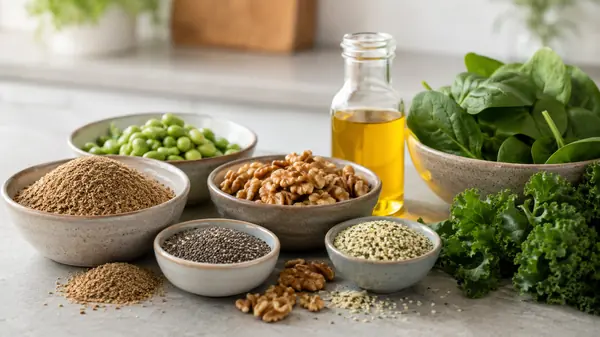
Plant-based omega-3 foods can be useful, affordable, and easy to add to everyday meals, but they are often described with more certainty than the evidence allows. Flaxseed, chia seeds, walnuts, hemp seeds, soy foods, and some plant oils mainly provide alpha-linolenic acid, or ALA. That matters because ALA is essential, but it is not the same as the long-chain omega-3 fats EPA and DHA found in seafood and algae-derived oils.
This guide takes a food-first approach. It explains what plant foods can do well, where algae-based EPA and DHA may fit, and how to avoid turning a smart nutrition habit into a miracle claim. It is general education, not personalized medical advice. Anyone managing a health condition, pregnancy, breastfeeding, blood-thinning medication, or supplement dosing should check with a qualified clinician.
Why Plant-Based Omega-3s Need a Clearer Conversation
Omega-3s are a family of fats, not a single nutrient. The National Institutes of Health Office of Dietary Supplements describes three main forms: ALA, EPA, and DHA. ALA is found mainly in plant oils and seeds, while EPA and DHA are found mainly in fish, seafood, and certain algae-derived supplements. The practical point is simple: plant foods are reliable ALA sources, but they should not be marketed as if they automatically provide large amounts of EPA and DHA.
That distinction helps people make better choices. A person who eats no fish can still build a strong pattern around nuts, seeds, soy foods, vegetables, whole grains, and unsaturated oils. If they want direct EPA or DHA without fish, algae-based products are the plant-derived option to discuss with a clinician or dietitian.
The Three Omega-3 Names to Know
ALA: The Essential Plant-Based Form
ALA is essential, meaning the body needs it from food. Ground flaxseed, chia seeds, walnuts, soybean oil, canola oil, and soy foods are common ways to get it. The NIH notes that average recommended amounts have been established for ALA, while recommended intakes for EPA and DHA have not been set in the same way for the general population.
EPA and DHA: The Long-Chain Forms
EPA and DHA are the forms most often discussed in relation to heart, brain, and eye research. They appear naturally in fish and seafood. Algal oil is a vegetarian source that can provide DHA, and some products provide EPA as well. The National Center for Complementary and Integrative Health notes that fish oil supplements contain EPA and DHA, while flaxseed oil contains ALA.
Conversion: Useful, But Limited
The body can convert some ALA into EPA and then DHA, but the NIH describes this conversion as very small. That does not make ALA unimportant. It means plant-based eaters should be precise: seeds and walnuts help cover ALA, while algae-derived products are the direct non-fish route for EPA and DHA.
| Omega-3 type | Main food pattern | Practical note |
|---|---|---|
| ALA | Flax, chia, walnuts, soy, canola oil | Essential fat; easiest to obtain from plants |
| EPA | Seafood; some algae products | Long-chain omega-3 used in many supplement studies |
| DHA | Seafood; algal oil | Important in brain and eye tissues; direct plant-derived source is algae |
Best Plant-Based Omega-3 Foods to Use Often
The best choices are ordinary foods that fit meals you already enjoy. Ground flaxseed blends into oatmeal, yogurt, smoothies, pancake batter, or bean patties. Chia seeds work in overnight oats or puddings. Walnuts add texture to salads and grain bowls. Soy foods and edamame add protein along with ALA. Canola and soybean oils can be practical cooking fats when they fit a broader unsaturated-fat pattern.
- Use ground flaxseed rather than whole flaxseed when you want better digestibility.
- Store ground seeds and walnuts in a cool place to protect flavor and freshness.
- Pair seeds with meals you already repeat, such as breakfast oats or lunch bowls.
- Think in patterns, not heroic servings; consistency matters more than occasional excess.
| Food | How to use it | Why it helps |
|---|---|---|
| Ground flaxseed | Stir into oats, smoothies, or muffins | Concentrated ALA source with fiber |
| Chia seeds | Soak into pudding or add to cereal | ALA plus texture and soluble fiber |
| Walnuts | Add to salads, grain bowls, or snacks | ALA-rich nut with satisfying crunch |
| Edamame and soy foods | Use in bowls, stir-fries, or soups | Plant protein with some ALA |
How to Build a Practical Week
A practical omega-3 routine should feel boring in the best possible way. If it requires a new recipe every day, it probably will not last. Build two or three repeatable anchors and let variety happen around them.
- Choose one breakfast anchor, such as oats with ground flaxseed and berries.
- Choose one lunch or dinner anchor, such as a grain bowl with edamame, greens, walnuts, and a vinaigrette.
- Choose one snack anchor, such as walnuts with fruit or chia pudding.
- Review supplement questions separately instead of assuming food and capsules do the same job.
| Meal moment | Plant-based omega-3 idea | Balance add-on |
|---|---|---|
| Breakfast | Oatmeal with ground flaxseed | Berries and unsweetened yogurt or soy yogurt |
| Lunch | Quinoa bowl with edamame and walnuts | Leafy greens, beans, and citrus dressing |
| Dinner | Lentil soup finished with canola oil | Whole-grain bread and vegetables |
| Snack | Chia pudding or walnuts | Fruit for fiber and flavor |
When Algae-Based EPA and DHA May Matter
For people who avoid seafood, algae-based products are the most direct way to get long-chain omega-3s without fish. This is especially relevant for people who want to discuss pregnancy, breastfeeding, heart-health history, high triglycerides, or other individualized needs with a clinician. NCCIH emphasizes that supplement evidence varies by outcome and that people should not treat supplements as a guaranteed prevention strategy.
Food can provide a sturdy foundation, but supplement decisions deserve a separate safety conversation. Product dose, quality, medication interactions, and health history all matter.
Safety Notes and Who Should Ask a Clinician
Most people can use common plant foods like flax, chia, walnuts, soy foods, and canola oil as part of normal meals. Caution rises when people move from food amounts to concentrated supplements. The NIH notes that omega-3 supplements can interact with medications, and high doses may be a concern for people taking anticoagulants such as warfarin.
| Situation | Why to pause | Best next step |
|---|---|---|
| Blood-thinning medication | High-dose supplements may affect bleeding risk | Ask the prescribing clinician before supplementing |
| Pregnancy or breastfeeding | DHA needs and seafood choices can be individualized | Discuss food and supplement plans with an obstetric clinician |
| Fish allergy or strict vegan diet | Source and ingredient labels matter | Review algae-based options carefully |
| Digestive sensitivity | Large sudden seed portions may cause discomfort | Increase fiber-rich seeds gradually with fluids |
In short: plant-based omega-3 foods are worth using, but the strongest plan separates three ideas: meeting ALA needs with everyday foods, considering algae for direct EPA or DHA, and avoiding supplement claims that outrun the evidence.
How to Avoid Overpromising Superfood Claims
Omega-3 foods are sometimes framed as brain boosters, inflammation cures, or heart insurance. That language is too strong. Research supports some benefits of seafood-rich dietary patterns and certain EPA/DHA uses, but official sources are more careful than social posts. The FDA and American Heart Association discuss fish within broader healthy eating patterns, not as a standalone guarantee.
A better framing is less flashy and more useful: plant-based omega-3 foods can improve the fat quality of the diet, add fiber and minerals, and help people replace less nourishing snacks or cooking fats. They are part of a pattern that also includes vegetables, legumes, whole grains, adequate protein, sleep, movement, and medical care when needed.
Label Reading for Algae and Fortified Foods
Fortified foods and algae-derived supplements vary widely. Some products contain DHA only, some include EPA, and some contain very small amounts. Check the Supplement Facts or Nutrition Facts panel rather than assuming the front label tells the whole story. Look for the actual milligrams of EPA and DHA per serving, serving size, and whether the product carries third-party quality testing.
A Simple Decision Tree for Everyday Choices
If you eat seafood, plant-based omega-3 foods can still be useful because they add ALA, fiber, and unsaturated fats to meals. If you do not eat seafood, treat flax, chia, walnuts, soy foods, and canola oil as your ALA foundation, then decide whether direct algae-derived EPA or DHA is worth discussing. If you are pregnant, breastfeeding, managing cardiovascular risk, or using medications that affect bleeding, that discussion should happen before a supplement is added.
It also helps to separate nutrition goals. A person may use chia seeds for breakfast texture, walnuts for satiety, edamame for protein, and algae oil for direct DHA. Those are different jobs. Keeping them separate prevents one food from being asked to do everything.
Buying and Storage Tips
Freshness matters because nuts, seeds, and oils contain fats that can turn stale. Buy amounts you can use within a reasonable time, close packages tightly, and keep ground flaxseed, chia seeds, and walnuts away from heat and strong light. If a seed or nut smells sharp, paint-like, or unusually bitter, replace it. A small habit that tastes good is more valuable than a bulk purchase that sits unused.
For oils, choose a size that fits your cooking rhythm. Canola and soybean oils are versatile, but they still belong in measured amounts as part of an overall pattern. Use them to support vegetables, beans, grains, and protein foods rather than as a separate health project.
Bottom Line
Plant-based omega-3 foods are a smart, low-drama habit. Ground flaxseed, chia seeds, walnuts, soy foods, and unsaturated oils can help cover ALA while adding other useful nutrients. They do not automatically replace EPA and DHA from seafood or algae-derived sources. The most balanced approach is to eat ALA-rich plant foods regularly, consider algae-based EPA/DHA only when it fits personal needs, and keep medical or supplement decisions individualized.