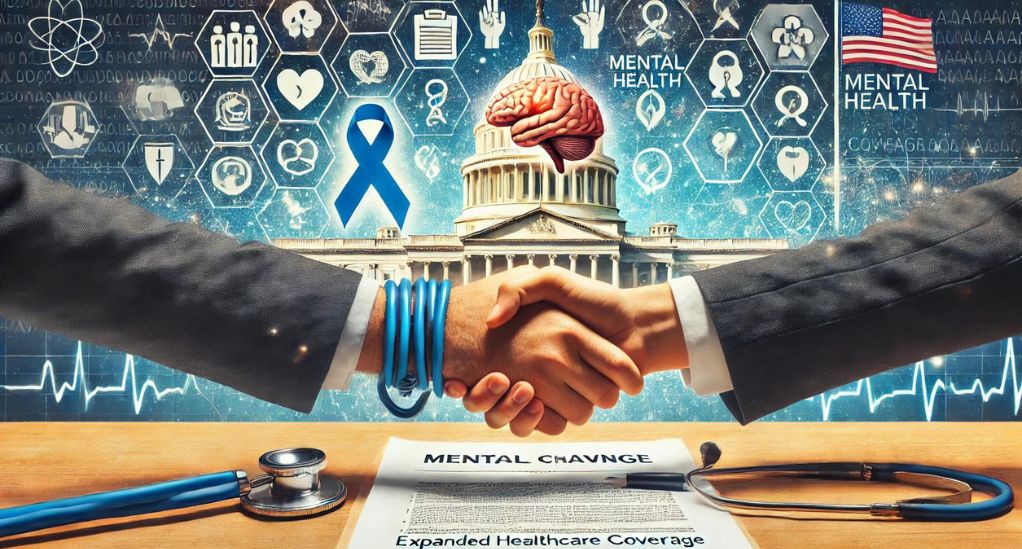
The Biden administration has taken a decisive step to improve access to mental health care with a new rule aimed at ensuring parity between mental health and physical health treatments under private insurance plans. Announced on Monday, September 9, 2024, the rule strengthens the existing Mental Health Parity and Addiction Equity Act (MHPAEA) and is expected to impact millions of Americans by eliminating significant barriers to mental health and substance use disorder care.
Equal Access to Mental and Physical Health Care
Under the new rule, health insurance plans will be required to offer mental health and substance use disorder care at the same level as physical health services. This policy shift is aimed at addressing long-standing disparities in access to mental health care, which have left many Americans struggling to afford treatment for conditions such as depression, anxiety, and substance abuse.
“Mental health care is health care,” President Biden emphasized during the announcement. “But for far too many Americans, critical care and treatments are out of reach. Today, my Administration is taking action to address our nation’s mental health crisis by ensuring mental health coverage will be treated the same as other health care.”
The rule will take effect in January 2025 and applies to group health plans and health insurance issuers. It targets the systemic issues that have made mental health care both expensive and difficult to access, particularly by expanding provider networks and reducing bureaucratic red tape that has long burdened patients and providers alike.
Tackling Disparities in Mental Health Coverage
While the MHPAEA was enacted in 2008 to ensure mental health services were covered equally, enforcement has been inconsistent. Many individuals with mental health conditions have continued to face high out-of-network costs or limited access to in-network providers, effectively making care unaffordable for millions.
Neera Tanden, White House Domestic Policy Adviser, highlighted the ongoing challenges during the announcement. “Despite laws meant to ensure equal access to mental health care, insurers have continued to place unnecessary hurdles in the way of patients seeking treatment. This new rule provides a clear path forward to finally enforce these critical protections,” Tanden said.
The Biden administration estimates that the rule could help as many as 175 million Americans with private insurance access mental health care on their current plans. The Departments of Labor, Treasury, and Health and Human Services will be responsible for enforcing the new provisions.
Additionally, the rule closes a loophole that previously exempted federally provided health insurance plans from complying with the MHPAEA. This change alone is expected to improve mental health care access for an additional 120,000 consumers.
Addressing the National Mental Health Crisis
The rule comes at a time when the need for mental health care in the U.S. has reached a critical point. According to the Centers for Disease Control and Prevention (CDC), one in five adults in the U.S. experience mental illness each year, and the COVID-19 pandemic has only exacerbated these figures. The administration has pointed out that mental health care has been treated as secondary to physical health for too long, and this rule aims to correct that imbalance.
“Mental health challenges touch every corner of the country. As many as two in five American adults have anxiety or depression, and suicide remains the second leading cause of death among young people aged 10 to 24 years old,” Tanden said during a White House briefing.
The rule also seeks to reduce the economic burden of mental health care by instructing insurers to assess how they handle mental health claims, including prior authorization requirements, the size of provider networks, and how much they pay for out-of-network coverage. This is expected to increase the number of mental health professionals available to patients and make it easier to access affordable, quality care.
Mixed Reactions From the Health Industry
While the new rule has been praised by mental health advocates, some industry groups have expressed concerns. The ERISA Industry Committee (ERIC), which represents large employers, warned that the new provisions could increase costs for employers offering behavioral health benefits.
“Some of the proposed changes are so burdensome that many of our members will have no other choice but to rethink the type and level of their plans’ coverage,” said Melissa Bartlett, Senior Vice President of Health Policy for ERIC. Despite this, the rule received support from the Association for Behavioral Health and Wellness, which noted that improving access to mental health care is a top priority.
Enforcement and Future Steps
The Biden administration has made it clear that enforcement will be a key component of the new rule. The Departments of Labor, Treasury, and Health and Human Services will work with insurers to ensure compliance. The administration has also announced that certain provisions will not take effect until January 2026, allowing insurers time to adjust to the new requirements.
U.S. Health and Human Services Secretary Xavier Becerra echoed the administration’s commitment, stating, “Health care, whether for physical or behavioral conditions, is health care. No one should receive lesser care for one or the other. That’s the law. The rules we issue today make that clear.”
The administration has also pledged to support health plans as they work to meet the new standards, ensuring that patients can receive the care they need without draining their savings or going into debt.