Nutrition plays a key role in our daily lives. What we eat directly affects how we feel and how much energy we have. Personal vitality and energy are essential for staying productive and enjoying life to the fullest. Without proper nutrition, our bodies lack the fuel needed to perform at their best.
By exploring the connection between nutrition and energy, we can understand how different foods impact our well-being. Focusing on key nutrients and proper hydration can guide us in making better food choices. This understanding can lead to improved vitality and more consistent energy levels throughout the day, helping us live healthier and more active lives.
Understanding Personal Vitality and Energy
Personal vitality refers to the overall sense of being lively and full of energy. It influences our ability to perform daily tasks, maintain focus, and stay motivated. High vitality means feeling energetic and ready to tackle challenges, while low vitality often results in fatigue and decreased motivation. Understanding what affects our personal vitality and energy is crucial for maintaining a productive and fulfilling life.
Energy levels are influenced by various factors, including diet, sleep, and physical activity. The food we consume plays a significant role in providing the necessary fuel for our bodies. Carbohydrates, proteins, and fats are the primary sources of energy. Carbohydrates provide quick energy, proteins support muscle repair and growth, and fats offer long-lasting energy reserves. Additionally, vitamins and minerals like B vitamins, iron, and magnesium are essential for energy production and overall vitality.
Hydration also plays a critical role in maintaining energy levels. Dehydration can lead to feelings of tiredness and reduced concentration. Drinking enough water throughout the day helps maintain optimal bodily functions and energy levels.
A balanced diet, incorporating a variety of nutrient-rich foods, is essential for sustaining energy and promoting vitality. Regular meal timing and portion control also contribute to stable energy levels. By understanding the connection between nutrition and energy, we can make informed choices that enhance our vitality, leading to a healthier and more active lifestyle.
Key Nutrients for Vitality
Understanding the key nutrients that fuel our bodies is essential for maintaining high energy levels and overall vitality. Both macronutrients and micronutrients play crucial roles in keeping us active and healthy. Let’s explore how these nutrients contribute to our well-being.
Macronutrients
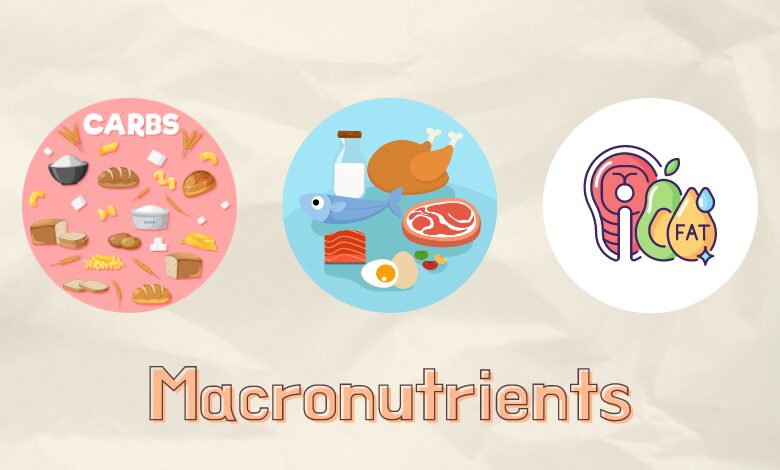
Macronutrients are nutrients that our bodies need in large amounts. They include carbohydrates, proteins, and fats. Each type of macronutrient plays a specific role in maintaining our energy and vitality.
- Carbohydrates:
Carbohydrates are the body’s primary source of energy. They are found in foods like bread, rice, pasta, fruits, and vegetables. When consumed, carbohydrates are broken down into glucose, which fuels our cells and provides immediate energy. Including whole grains and fiber-rich foods in your diet can help maintain steady energy levels throughout the day. - Proteins:
Proteins are essential for building and repairing tissues, including muscles. They are found in meat, fish, eggs, dairy products, legumes, and nuts. Proteins support muscle health and contribute to overall vitality by aiding in cell repair and growth. Including a variety of protein sources in your diet helps ensure that your body has the necessary building blocks to stay strong and energetic. - Fats:
Healthy fats are crucial for long-lasting energy and overall health. They are found in foods like avocados, nuts, seeds, and olive oil. Fats help absorb vitamins and provide a concentrated source of energy. Including healthy fats in your diet supports brain function and helps maintain stable energy levels.
Micronutrients
Micronutrients are nutrients that our bodies need in smaller amounts but are still essential for various bodily functions. They include vitamins and minerals, which play vital roles in energy production and overall health.
- Vitamins:
Vitamins are essential for converting food into energy. B vitamins, such as B6, B12, and folate, play a key role in energy production by helping the body convert carbohydrates into glucose. Vitamin D, found in sunlight and certain foods, also contributes to energy levels and overall well-being. - Minerals:
Minerals like magnesium and iron are vital for maintaining energy and vitality. Magnesium, found in leafy greens, nuts, and whole grains, helps with muscle function and energy production. Iron, found in red meat, beans, and spinach, is crucial for transporting oxygen in the blood, which is essential for energy. Ensuring adequate intake of these minerals supports overall vitality and energy levels.
By focusing on these key nutrients, we can enhance our energy and maintain a healthy, vibrant lifestyle.
Impact of Hydration on Energy Levels
Staying hydrated is crucial for maintaining energy levels and overall health. Water plays a vital role in many bodily functions, including digestion, circulation, and temperature regulation. By keeping hydrated, you ensure your body functions efficiently and helps you feel more energetic.
Importance of Staying Hydrated
Water supports every cell, tissue, and organ in your body. It transports nutrients, removes waste, and regulates body temperature. Staying hydrated enhances physical performance and cognitive function, allowing you to stay alert and focused throughout the day. Adequate water intake also aids digestion and helps your body absorb nutrients more effectively, boosting your energy levels.

Effects of Dehydration on Energy and Concentration
Dehydration happens when you lose more water than you take in. Even mild dehydration can lead to fatigue, headaches, and difficulty concentrating. When dehydrated, your body struggles to perform basic functions, causing a noticeable drop in energy levels and mental clarity. Severe dehydration can lead to more serious symptoms, such as dizziness, confusion, and a rapid heart rate. Consistently staying hydrated helps prevent these issues and maintains optimal physical and mental performance.
Tips for Maintaining Optimal Hydration
- Drink Regularly: Sip water throughout the day, not just when you feel thirsty. Thirst indicates that your body is already becoming dehydrated.
- Carry a Water Bottle: Keep a reusable water bottle with you to make drinking water more convenient. This encourages regular sipping and helps you track your intake.
- Eat Hydrating Foods: Include fruits and vegetables with high water content, like cucumbers, oranges, and watermelon. These foods supplement your water intake and provide essential vitamins and minerals.
- Limit Dehydrating Beverages: Reduce your intake of caffeinated and sugary drinks, as they can contribute to dehydration. Beverages like coffee, tea, and soda increase urine output and cause fluid loss.
- Set Reminders: Use alarms or apps to remind yourself to drink water regularly. Establishing a routine can help you develop consistent hydration habits.
- Monitor Your Urine: Check the color of your urine to gauge your hydration level. Light yellow usually indicates adequate hydration, while dark yellow or amber suggests you need to drink more water.
Keeping yourself well-hydrated helps boost energy levels, enhance concentration, and improve overall health. Simple adjustments to your daily habits can greatly influence how you feel and function each day.
The Role of a Balanced Diet in your Vitality and Energy
A balanced diet is essential for maintaining good health and high energy levels. It involves consuming a variety of foods in the right proportions to provide your body with the necessary nutrients. Let’s explore what constitutes a balanced diet and why it is vital for sustained energy and overall well-being.
What Makes Up a Balanced Diet
A balanced diet includes a mix of carbohydrates, proteins, fats, vitamins, and minerals. Each of these nutrients plays a specific role in keeping your body healthy. Carbohydrates provide energy, proteins support muscle repair and growth, fats are essential for brain function, and vitamins and minerals are necessary for various bodily processes. By eating a variety of foods, you ensure that you get a comprehensive range of nutrients.
Benefits of Diverse Food Intake for Sustained Energy
Incorporating a wide range of foods into your diet helps maintain steady energy levels. Different foods offer unique benefits:
- Whole grains provide a slow and steady release of energy.
- Proteins support muscle repair and maintenance.
- Healthy fats help with brain function and long-lasting energy.
- Fruits and vegetables supply essential vitamins and minerals that boost overall health.
By diversifying your food intake, you can prevent energy slumps and keep your body functioning at its best.
Eating at regular intervals is crucial for sustaining energy and preventing drops in blood sugar levels. Skipping meals or eating at irregular times can cause energy crashes and affect your productivity. Consistent meal times help regulate your metabolism and improve digestion. Regular meals ensure a steady supply of nutrients, keeping your energy levels stable throughout the day.
Superfoods for Enhanced Vitality
Superfoods are nutrient-rich foods that provide significant health benefits. These foods are packed with vitamins, minerals, and antioxidants that can help boost your energy levels and overall well-being. Incorporating superfoods into your diet can enhance vitality and support a healthy lifestyle.
Superfoods are natural foods that are particularly high in nutrients and beneficial compounds. They are known for their ability to improve health, increase energy, and reduce the risk of chronic diseases. While no single food can provide all the nutrients your body needs, superfoods can play a key role in a balanced diet.

Examples of Superfoods and Their Benefits
- Spinach: Rich in iron, vitamins A and C, and antioxidants. Spinach helps boost energy levels, supports immune function, and promotes healthy skin.
- Berries: Berries like blueberries, strawberries, and raspberries are high in antioxidants, fiber, and vitamins. They help improve brain function, reduce inflammation, and support heart health.
- Nuts: Almonds, walnuts, and chia seeds are excellent sources of healthy fats, protein, and fiber. Nuts help sustain energy, support brain health, and promote heart health.
- Quinoa: A complete protein that contains all nine essential amino acids, along with fiber and various vitamins and minerals. Quinoa supports muscle repair, digestion, and sustained energy levels.
- Avocado: Packed with healthy fats, fiber, and vitamins like vitamin E. Avocado helps maintain energy levels, supports skin health, and promotes heart health.
How to Incorporate Superfoods into Daily Meals
- Smoothies: Blend spinach, berries, and chia seeds into a morning smoothie for a nutrient-rich start to your day.
- Salads: Add avocado, nuts, and quinoa to your salads to boost their nutritional value and make them more filling.
- Snacks: Keep a mix of nuts and dried berries handy for a quick and healthy snack option.
- Main Meals: Incorporate superfoods like spinach and quinoa into your main dishes, such as stir-fries, soups, and grain bowls.
- Desserts: Use berries and nuts as toppings for yogurt or oatmeal to add a nutritious twist to your desserts.
By adding superfoods to your daily meals, you can improve your nutrient intake, boost your energy levels, and support overall vitality.
The Gut-Brain Connection
Understanding the gut-brain connection is essential for maintaining overall health and well-being. The gut-brain axis is a complex communication network that links the digestive system and the brain. This connection plays a crucial role in regulating energy levels, mood, and mental health.
Overview of the Gut-Brain Axis
The gut-brain axis is the communication pathway between the gut and the brain. This connection involves the central nervous system, the enteric nervous system (located in the gut), and the microbiota (the community of microorganisms living in the digestive tract). These systems interact through neural, hormonal, and immune signals, influencing each other’s functions.
Impact of Gut Health on Energy and Mood
A healthy gut can significantly affect your energy levels and mood. The gut microbiota helps digest food, absorb nutrients, and produce essential vitamins. When the gut is healthy, it can efficiently convert food into energy, supporting sustained energy levels throughout the day. Additionally, a balanced gut microbiota produces neurotransmitters like serotonin, which play a key role in regulating mood and promoting feelings of well-being.
Poor gut health, on the other hand, can lead to digestive issues, fatigue, and mood disorders. Imbalances in the gut microbiota, known as dysbiosis, can cause inflammation, disrupt nutrient absorption, and negatively impact mental health. Ensuring a healthy gut is therefore crucial for maintaining both physical and mental vitality, enhancing overall personal vitality and energy.
Tips for Promoting a Healthy Gut Through Diet
- Eat a Variety of Fiber-Rich Foods: Include fruits, vegetables, whole grains, and legumes in your diet. Fiber feeds beneficial gut bacteria, promoting a balanced microbiota.
- Include Fermented Foods: Foods like yogurt, kefir, sauerkraut, kimchi, and kombucha contain probiotics that help maintain a healthy gut microbiota.
- Limit Processed Foods and Sugars: Processed foods and high sugar intake can disrupt the gut microbiota and contribute to inflammation. Opt for whole, unprocessed foods instead.
- Stay Hydrated: Drinking plenty of water supports digestion and helps maintain a healthy gut lining.
- Consider Prebiotics: Prebiotics are non-digestible fibers that feed beneficial gut bacteria. Foods like garlic, onions, leeks, and bananas are rich in prebiotics.
- Moderate Use of Antibiotics: While antibiotics can be necessary, they can also disrupt the gut microbiota. Use them only when prescribed and follow your healthcare provider’s advice.
A diet that supports gut health can lead to better energy levels, an improved mood, and enhanced overall well-being. Making mindful food choices helps ensure that your gut stays healthy, which positively impacts your physical and mental health.
Practical Tips for Boosting Nutrition
Improving your nutrition doesn’t have to be complicated. Small, simple changes to your diet can significantly enhance your personal vitality and energy levels, as well as overall health. Here are some practical tips to help you boost your nutrition.
Simple Dietary Changes for Improved Energy
- Choose Whole Foods: Opt for whole grains, fruits, vegetables, lean proteins, and healthy fats over processed foods. Whole foods provide more nutrients and sustained energy.
- Eat Balanced Meals: Ensure each meal contains a mix of carbohydrates, proteins, and fats to keep your energy levels stable throughout the day.
- Reduce Added Sugars: Cut down on sugary snacks and drinks. Excess sugar can cause energy spikes and crashes.
- Snack Smart: Choose healthy snacks like nuts, fruits, or yogurt instead of chips or candy. These snacks provide nutrients and keep you feeling full longer.
- Stay Hydrated: Drink plenty of water throughout the day to stay hydrated and support your body’s functions.
Importance of Meal Planning and Preparation
- Plan Your Meals: Take time to plan your meals for the week. This helps ensure you have a balanced diet and reduces the temptation to eat unhealthy foods.
- Prep Ahead: Prepare ingredients or meals in advance, especially for busy days. This makes it easier to stick to your nutritional goals.
- Cook at Home: Cooking your meals allows you to control the ingredients and portion sizes, making it easier to eat healthily.
- Use a Shopping List: Make a list of healthy foods before grocery shopping to avoid buying unhealthy items impulsively.
Role of Supplements in Supporting Nutrition
- Identify Gaps: Assess your diet to identify any nutritional gaps. Supplements can help fill these gaps, but they should not replace whole foods.
- Choose Quality Supplements: Opt for high-quality supplements that are backed by research. Look for those that provide essential vitamins and minerals you might be lacking.
- Consult with Professionals: Before starting any supplement regimen, consider consulting with a nutritionist or dietitian to ensure you’re taking the right ones for your needs.
Incorporating these practical tips into your daily routine can improve your nutrition, boost your energy levels, and support overall well-being. Small changes can lead to significant health benefits over time.
Conclusion
Nutrition plays a vital role in maintaining personal vitality and energy. Key points to remember include the importance of a balanced diet, staying hydrated, incorporating superfoods, and understanding the gut-brain connection. Simple dietary changes, regular meal planning, and considering supplements can significantly enhance your energy levels and overall well-being.
Adopting healthier eating habits is a powerful way to improve your daily life. By making mindful food choices, you can boost your energy, improve your mood, and support long-term health. Embrace these nutritional strategies to enjoy a more vibrant, energetic, and fulfilling life.