Stress is a part of everyone’s life. It’s like an unwelcome guest that can show up because of work, family, or daily challenges. Managing stress is important because it can affect how we think, feel, and handle our daily tasks. If we let stress control us, it can harm our health, relationships, and happiness. Learning to manage stress helps us find balance and improves our well-being. This article will share different ways to reduce stress, from quick fixes to long-term strategies. Whether at work, home, or dealing with personal growth, understanding how to deal with stress can make a big difference in our lives.
Identifying Stress
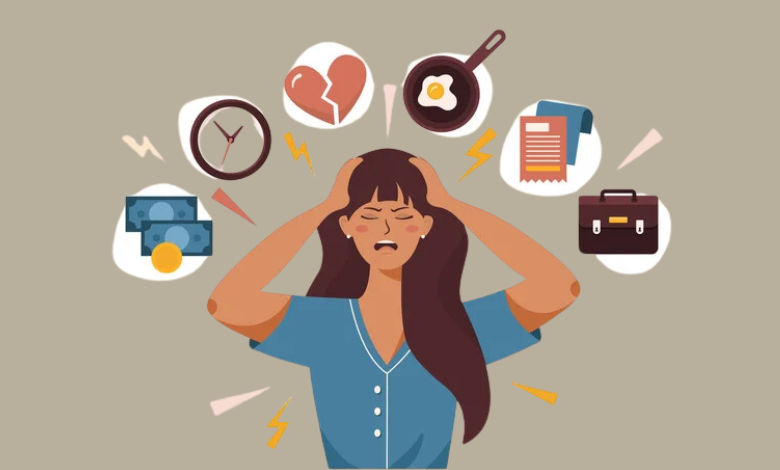
Identifying stress is the first step towards managing it. Stress can come from many places, like work, family, or personal issues. Sometimes, it’s easy to spot, like when you’re moving to a new house. Other times, it’s not so obvious, and things like daily worries or habits can add to your stress without you realizing it. To really understand what’s causing your stress, pay attention to your daily life. Notice when you feel the most pressured or anxious. Keeping a stress journal can help. In it, write down when you feel stressed, what you think caused it, how you felt physically and emotionally, and how you responded. By doing this, you can start to see patterns and find better ways to deal with stress.
Simple Stress Management Techniques
Simple stress management techniques can be powerful tools in dealing with daily stress. Here are some straightforward methods to try:
- Deep Breathing: When you’re stressed, take a moment to breathe deeply. Inhale slowly for a count of three, hold it for a second, and then exhale slowly. Doing this a few times can help calm your mind.
- Exercise: Moving your body through exercise is a great way to reduce stress. You don’t need intense workouts; even a short walk can make a difference.
- Time Management: Plan your day so you’re not overwhelmed. Prioritize your tasks and tackle them one by one. This helps avoid the stress of feeling like you have too much to do.
- Setting Boundaries: Learn to say no when you need to. Taking on more than you can handle leads to stress. It’s okay to set limits and stick to them.
These techniques are simple but effective. They can help lower stress levels and make daily challenges more manageable.
Long-term Strategies for Stress Reduction
For long-term stress reduction, it’s important to build habits that keep stress under control over time. Here are some strategies that can help:
- Healthy Lifestyle: Eating well, getting enough sleep, and regular physical activity are key. A balanced diet, 7-8 hours of sleep per night, and daily exercise can improve your body’s ability to handle stress.
- Mindfulness and Relaxation: Practices like meditation, yoga, or deep-breathing exercises can help calm your mind and reduce stress. Setting aside time each day for these activities can make a big difference.
- Creative Outlets: Engaging in hobbies or creative activities like painting, writing, or playing music can provide a distraction from stress and offer a way to express yourself.
- Social Support: Spending time with friends and family can offer emotional support and reduce feelings of stress. Building strong, supportive relationships is crucial for long-term stress management.
Adopting these habits can help you manage stress more effectively, improving your overall well-being and quality of life.
Dealing with Stress at Work
Dealing with stress at work starts with understanding what is expected of you. If you’re clear about your job duties and expectations, you’re less likely to feel stressed. If something is unclear, don’t hesitate to ask your manager or coworkers for clarification. This can prevent misunderstandings and reduce stress. Another tip is to avoid multitasking. Focusing on one task at a time can help you complete your work more efficiently and with less stress.
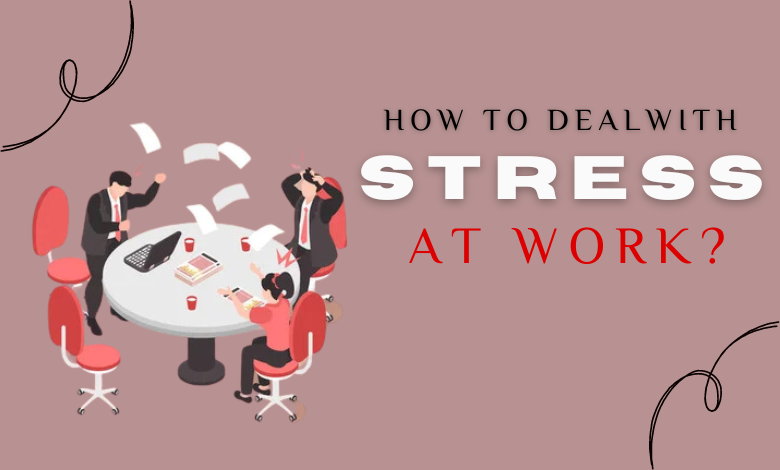
Your work environment also plays a role in how stressed you feel. Make your workspace as comfortable as possible. If noise is a distraction, consider using headphones to listen to calming music or white noise. Organize your desk to reduce clutter. Small changes like these can make a big difference in reducing your stress levels at work.
Managing Stress in Relationships
Managing stress in relationships involves open communication and setting aside quality time for each other. It’s important to talk openly about what’s causing stress and work together to find solutions. This can prevent small issues from turning into bigger problems. Also, make sure to spend quality time together doing activities you both enjoy. This helps to strengthen your bond and reduces stress. Remember, it’s okay to ask for space when you need it. Respecting each other’s need for personal time is key to maintaining a healthy, stress-free relationship.
Conclusion
Managing stress is crucial for maintaining a healthy and balanced life. Whether it’s through simple daily practices or long-term strategies, finding what works best for you is key. Remember, it’s important to be proactive about stress management, whether that means setting boundaries, improving time management, or seeking support from friends and family. These steps can help you handle stress more effectively and improve your overall well-being.
If stress becomes overwhelming, it’s important to seek professional help. A healthcare provider can offer additional strategies and support to manage stress. By taking control of stress, you can improve your quality of life, enhance relationships, and achieve a better state of mental and physical health. Remember, managing stress is not just about coping with challenges, but also about creating a more fulfilling and balanced life.