
Time management is a skill that helps us navigate our daily tasks more efficiently, allowing for greater productivity and less stress. It involves prioritizing tasks, focusing attention, and making the most of the hours in a day. This topic explores various strategies and tools that can assist anyone in becoming more organized and productive, from managing focus and debriefing the day to prioritizing tasks and utilizing technology. By adopting these techniques, individuals can improve their ability to get important things done, leading to better personal growth and mental health.
Understanding Time Management

Time management is essential for making the most of our time, focusing not on doing more, but on doing what matters most. It’s about distinguishing between tasks that are crucial for our goals and those that can be postponed. By prioritizing and planning, we aim to streamline our daily activities, focusing on actions that align with our objectives and enhance our well-being.
Improving our approach to time management involves reducing unnecessary tasks and dedicating our efforts to impactful work. This doesn’t just help in achieving professional success but also in reducing stress and freeing up time for personal development and relaxation. Understanding and implementing effective time management techniques allows us to live more productive and fulfilling lives.
Effective Time Management Strategies
Adopting effective time management strategies is key to enhancing productivity and making the most of each day. Here are some practical approaches to manage your time more efficiently:
1.Focus Management:
- Understanding Peak Hours: Recognize the times of day when you’re most alert and creative. Are you a morning person, or do you find your stride in the afternoon? Align your most demanding tasks with these peak periods to capitalize on your natural energy cycles.
- Minimizing Distractions: Create an environment that supports concentration. This may involve turning off notifications, using apps that block distracting websites, or setting specific times to check emails.
2. Daily Debriefing:
- Reflective Practice: Take 5-10 minutes at the end of your day to reflect on what you accomplished and identify areas for improvement. Consider what tasks took longer than expected and why, and which strategies helped you stay focused.
- Adjusting Plans: Use your daily debrief to adjust your plan for the next day. Perhaps a task needs more time allocated, or you need to incorporate breaks to maintain energy levels.
3, Task Prioritization:
- The “Eat That Frog” Method: Tackle your most challenging or least desirable task first thing in the day. This method, inspired by Mark Twain’s advice, suggests that doing so will make the rest of your day feel more manageable.
- Setting Priorities: Understand the difference between urgent and important tasks. Use tools like the Eisenhower Box to categorize and prioritize your tasks effectively.
4. Delegation:
- Leveraging Strengths: Identify tasks that can be better performed by someone else, freeing up your time for work that aligns with your strengths and core responsibilities.
- Clear Communication: When delegating, be clear about expectations and deadlines. This ensures tasks are completed efficiently and reduces the need for rework.
5. To-Do List Updates:
- Outcome-Based Lists: Shift from a task-oriented to an outcome-oriented list. This helps keep your focus on what you aim to achieve, rather than just ticking off tasks.
- Breaking Down Projects: For large projects, break them down into actionable steps. This makes progress more tangible and manageable, reducing the feeling of being overwhelmed.
6. Using Technology:
- App Selection: Choose apps that directly address your productivity challenges. For instance, use time-tracking apps to manage your focus or project management tools to keep track of tasks and deadlines.
- Automation: Look for opportunities to automate repetitive tasks. Whether it’s automating email responses or using templates for common documents, automation can save significant time.
7. Meeting Management:
- Effective Scheduling: Question the need for meetings and ensure they have a clear purpose. If a meeting is necessary, set a strict time limit and stick to an agenda to avoid overruns.
- Alternatives to Meetings: Consider if a quick email, phone call, or messaging through collaboration platforms can achieve the same goal more efficiently.
8. Collaboration:
- Leverage Team Strengths: Utilize the strengths of your team members. Collaboration tools can facilitate brainstorming sessions, project tracking, and task delegation efficiently.
- Feedback Loops: Implement regular check-ins and feedback loops to ensure tasks are on track and to address any issues promptly. This fosters a collaborative environment and can lead to innovative solutions.
By diving deeper into these strategies and understanding how to apply them, you can develop a robust approach to managing your time more effectively, leading to increased productivity, reduced stress, and a healthier work-life balance.
Incorporating Productivity into Everyday Life
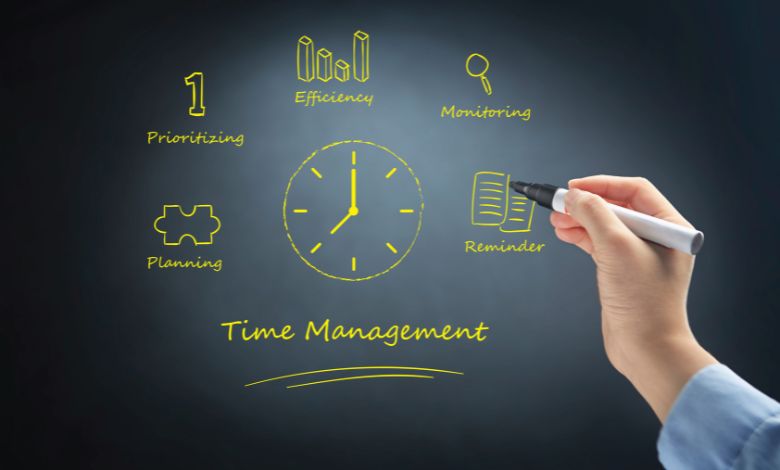
Incorporating productivity into everyday life involves more than just following a set of strategies; it’s about making small, consistent changes to your daily habits that lead to big improvements over time. Here’s how to seamlessly integrate productivity into your routine:
- Start with a Plan: Begin each day with a clear idea of what you need to accomplish. Spend a few minutes every morning (or the night before) outlining your key tasks for the day. This helps to direct your focus and energy towards what’s most important.
- Prioritize Tasks: Not all tasks are created equal. Identify the tasks that will have the most significant impact on your goals and tackle these first. This ensures that even if you can’t get to everything on your list, you’ve completed the most critical tasks.
- Manage Distractions: In an age of constant connectivity, distractions are everywhere. Be proactive about minimizing interruptions by setting specific times to check emails and social media. Consider using apps that block distracting sites during work hours.
- Take Breaks: Short breaks throughout the day can boost your focus and productivity. Stepping away from your work for a few minutes can help clear your mind and reduce stress, making it easier to tackle tasks when you return.
- Use Tools and Apps: Leverage technology to your advantage. From digital to-do lists to project management apps, find tools that work for you and use them to keep track of tasks, deadlines, and priorities.
- Review and Adjust: End your day with a quick review of what you’ve accomplished and what needs to be carried over to the next day. This not only provides a sense of closure for the day but also helps you adjust your plans as needed.
- Keep Learning: Productivity strategies can evolve. Stay open to new ideas and methods that can help you work more efficiently. Whether it’s reading articles, listening to podcasts, or attending workshops, continuous learning is key to staying productive.
By integrating these habits into your daily life, you’ll not only become more productive but also find a better balance between work and personal time. Remember, productivity is not about being busy all the time; it’s about being effective and making the most of the time you have.
Conclusion
Effective time management is essential for productivity, focusing on prioritizing tasks, reducing distractions, and utilizing technology. It’s about making meaningful use of time, not just filling it with activities. Key to success is finding strategies that work for you, adapting them to your needs, and being open to change. Small, consistent efforts towards managing time can significantly enhance both productivity and overall well-being. With a mindful approach to how you allocate your time, you can achieve a balanced and more productive lifestyle.