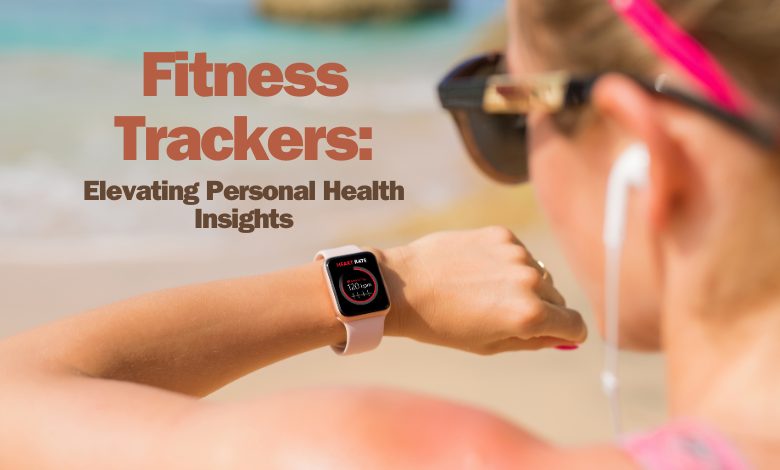
In recent years, wearable fitness trackers have become a key tool for individuals looking to monitor their health and fitness activities. These devices, ranging from simple step counters to advanced gadgets offering a wide array of health metrics, cater to a growing interest in personal wellness. The evolution of wearable technology has enabled people to keep a closer eye on their physical activities, sleep patterns, and even heart rates, encouraging a more informed approach to health and fitness.
Understanding Wearable Fitness Trackers
Wearable fitness trackers are small electronic devices that people wear to track and record their physical activities. These gadgets vary in shape, size, and the kind of data they collect. Most commonly, they come as wristbands or watches but can also be found as clip-ons or even rings. The primary job of these devices is to monitor activities like walking, running, and sleeping. They can count the number of steps taken, measure the distance traveled, calculate calories burned, and monitor heart rate. Some advanced models can even track the quality of sleep and provide detailed insights into sleep patterns.
At the core of these trackers are sensors that detect motion. These sensors are sensitive to movement and can differentiate between various types of physical activity. This capability allows the device to collect data continuously throughout the day. For accurate tracking, individuals are usually asked to enter basic personal information into the tracker’s associated software. This information, such as height, weight, and gender, helps the device personalize the data analysis, making the results more relevant to the individual’s health and fitness goals.
Once the data is collected, it is processed through algorithms that interpret the movements detected by the sensors. This processed information is then made available to the individual through an app or software, typically accessible on smartphones or computers. The app categorizes activities and presents the data in an easy-to-understand format, offering insights into daily physical activity levels.
Wearable fitness trackers aim to make individuals more aware of their activity levels and encourage a more active and healthy lifestyle. They offer a convenient way to keep track of physical activities and health-related metrics without manual logging or guesswork.
Key Features of Wearable Health Devices
Wearable health devices come with various features that help individuals monitor their health and fitness levels. These features range from basic activity tracking to more advanced health monitoring capabilities.
- Activity Tracking: The most common feature in wearable devices is activity tracking. These devices use sensors to record physical movements like walking, running, and even swimming. They count steps, measure the distance traveled, and estimate the calories burned during these activities.
- Sleep Monitoring: Many wearable devices track sleep patterns. They analyze the quality and duration of sleep by monitoring movements during the night. This feature helps individuals understand their sleep habits and make adjustments for better rest.
- Heart Rate Monitoring: Advanced wearables are equipped with sensors that measure heart rate continuously or during specific activities. This feature is valuable for those who want to monitor their heart rate for health or performance reasons during exercise.
- Fitness Goals and Reminders: These devices often allow setting fitness goals, such as a certain number of steps per day or calories to burn. They provide reminders or motivational messages to help individuals stay active throughout the day.
- Water Intake and Calorie Tracking: Some wearables offer features to track daily water intake and estimate calorie consumption. This helps in maintaining a balanced diet and hydration levels, essential for overall health.
- Connectivity and Integration: Wearable devices usually connect to smartphones or computers, allowing data sync with apps. This integration provides a comprehensive view of health and fitness data, enabling users to track progress over time.
- Durability and Water Resistance: Considering the lifestyle of active individuals, many wearable devices are designed to be durable and water-resistant. This feature ensures they can be worn during various activities without damage.
These key features make wearable health devices versatile tools for individuals looking to enhance their health and fitness awareness. They offer a blend of technology and personal health monitoring, encouraging a proactive approach to maintaining a healthy lifestyle.

The Technology Behind the Trackers
The technology behind wearable fitness trackers relies on a mix of sensors, algorithms, and connectivity features to gather and interpret data related to physical activity and health.
- Sensors: At the heart of every fitness tracker are sensors. The most common is the accelerometer, which detects movement in all directions. By analyzing acceleration data, these devices can determine whether a person is walking, running, or sitting. Some trackers also include gyroscopes for detecting orientation and rotation, making the activity tracking more accurate. For health monitoring, many devices come with heart rate sensors, which use light to measure blood flow through the skin.
- Algorithms: The raw data collected by sensors would not be very helpful without sophisticated algorithms. These are complex mathematical formulas that take the sensor data and turn it into useful information, such as the number of steps taken, calories burned, or heart rate patterns. These algorithms consider the user’s personal information, such as height, weight, and age, to personalize the data processing.
- Connectivity: Wearable trackers are designed to work alongside smartphones or computers. They use Bluetooth to sync the collected data with an app on the user’s device. Through the app, the data is presented in an easy-to-understand format, allowing users to track their progress over time. The app also often provides additional features, like setting goals, reminders, and sharing achievements on social media.
- Software Integration: Many fitness trackers integrate with third-party apps for more detailed health and fitness analysis. This means the data collected by the tracker can be used in conjunction with other health apps to give a more comprehensive view of an individual’s health and fitness status.
The combination of these technologies allows wearable fitness trackers to provide insights into physical activity and health, encouraging users to lead more active and healthier lifestyles.
Benefits for Individuals and Research
Wearable fitness trackers offer several benefits for both individuals looking to improve their health and researchers conducting studies on physical activity and health.
For Individuals:
- Awareness and Motivation: These devices make people more aware of their daily activities. By tracking steps, sleep, and calories burned, individuals can see where they might need to increase activity or improve health habits. This awareness often motivates them to set and reach personal fitness goals.
- Easy Tracking and Accessibility: Wearable trackers simplify the process of monitoring physical activity and health metrics. With these devices, there is no need for manual logging, as they automatically track activities throughout the day. The data is easily accessible through apps on smartphones or computers, making it convenient for users to check their progress at any time.
- Personalized Insights: The algorithms used in fitness trackers take into account personal information such as height, weight, and age to provide customized insights. This personalization helps individuals understand their unique health and fitness needs.
For Research:
- Large-Scale Data Collection: Wearable trackers allow researchers to collect data from a wide range of participants simultaneously. This capability is particularly useful in studies looking at general health trends or the impact of physical activity on health outcomes.
- Objective Measurements: Unlike traditional methods that may rely on self-reported data, wearable devices offer objective measurements of physical activity. This precision can lead to more accurate study results and insights.
- Long-Term Monitoring: These devices enable researchers to monitor participants over extended periods without the need for frequent lab visits. This long-term data collection can provide valuable insights into health trends and the effectiveness of interventions.
Wearable fitness trackers provide individuals with tools to actively monitor and improve their health and fitness. For the research community, these devices offer a means to gather large volumes of accurate, real-time data on physical activity and health, opening new avenues for scientific inquiry and understanding.
Conclusion
Wearable fitness trackers significantly impact personal health monitoring and scientific research. These devices provide detailed insights into physical activity and health metrics, encouraging individuals to lead more active lives. For researchers, the data from these trackers offer valuable information for understanding health trends. As technology evolves, the role of wearable devices in promoting health and supporting research continues to expand, highlighting their importance in both personal wellness and the broader scientific community.