In the relentless pursuit of defying the passage of time, humanity has long sought after solutions to slow down the aging process. One intriguing avenue of exploration is the potential role of Metformin, a medication primarily utilized in the management of type 2 diabetes. While traditionally known for its glucose-lowering effects, recent scientific inquiry has delved into its broader implications, hinting at a possible link between Metformin and the quest for eternal youth.
Metformin, a drug that has been in medical use for decades, has garnered attention beyond its conventional application. Scientists are increasingly drawn to its purported ability to extend lifespan and enhance overall health, particularly among older adults. This burgeoning interest stems from a growing body of research suggesting that Metformin may hold promise in slowing down the aging process and promoting longevity.
Understanding Metformin
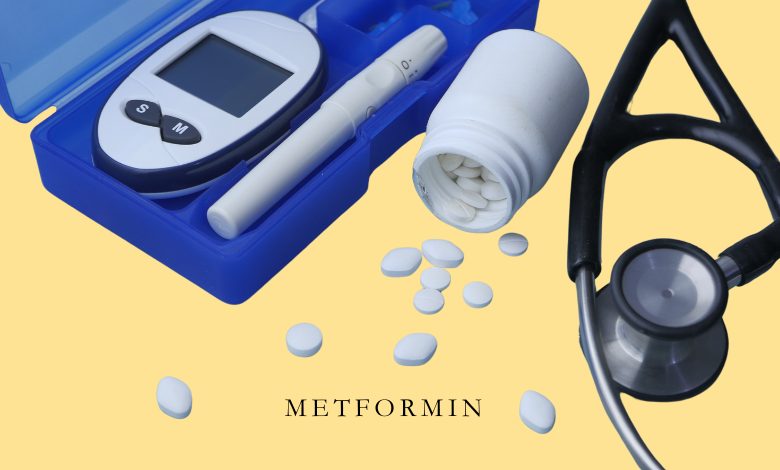
Metformin stands as a cornerstone in the management of type 2 diabetes, widely prescribed for its effectiveness in regulating blood sugar levels. Its primary function revolves around lowering the amount of sugar produced by the liver while increasing the body’s sensitivity to insulin, the hormone responsible for facilitating the uptake of glucose by cells for energy. The mechanism of action of Metformin involves several interrelated processes within the body. One key aspect is its ability to inhibit the production of glucose in the liver, a process known as gluconeogenesis. By reducing the liver’s glucose output, Metformin helps to maintain balanced blood sugar levels, a critical aspect of diabetes management. Additionally, Metformin promotes glucose uptake by peripheral tissues such as muscle and fat cells, thereby enhancing insulin sensitivity. This means that cells become more responsive to insulin, allowing for better utilization of glucose from the bloodstream for energy production.
Despite its widespread use and efficacy, Metformin is not without its potential side effects and risks. Common side effects may include gastrointestinal disturbances such as nausea, diarrhea, and abdominal discomfort. In some cases, individuals may experience vitamin B12 deficiency with prolonged use of Metformin, necessitating monitoring and supplementation as needed. Moreover, there have been concerns raised about the potential risk of lactic acidosis, a rare but serious condition characterized by the buildup of lactic acid in the bloodstream. However, the likelihood of developing lactic acidosis with Metformin use is low, particularly when prescribed appropriately and monitored regularly.
Overall, while Metformin offers significant benefits in managing type 2 diabetes, it is essential to weigh its potential risks against its therapeutic effects. Close monitoring and adherence to prescribed dosages are crucial to maximizing the benefits of metformin while minimizing the likelihood of adverse reactions.
The Promise of Metformin in Aging
Research investigating Metformin’s effects on aging suggests intriguing possibilities. Some studies have indicated that Metformin may indeed hold the key to prolonging lifespan, pointing to its ability to modulate cellular processes implicated in aging. By targeting pathways associated with aging, Metformin appears to offer potential benefits beyond its conventional use in diabetes management. Furthermore, investigations into Metformin’s impact on age-related diseases such as cancer and cardiovascular conditions have yielded encouraging findings. Preliminary evidence suggests that Metformin may exert protective effects against these diseases, potentially contributing to overall health and longevity.
One of metformin’s notable attributes is its role in metabolic regulation. By influencing metabolic pathways, Metformin may help maintain physiological balance and resilience against age-related decline. Its effects on metabolism offer intriguing implications for promoting longevity and preserving vitality in later life stages. In the ongoing quest for anti-aging solutions, Metformin stands out as a compelling candidate, offering tantalizing glimpses into the potential mechanisms underlying aging processes.
Unraveling the Science Behind Metformin’s Anti-Aging Effects

- Insights from Scientific Studies:
- Research explores Metformin’s impact on cellular aging processes, revealing its potential anti-aging properties.
- Influence on Cellular Metabolism:
- Metformin regulates key metabolic pathways involved in aging, potentially maintaining cellular health and function.
- Anti-Inflammatory Properties:
- Metformin demonstrates anti-inflammatory effects, which are crucial in combating age-related inflammation and associated diseases.
- Mitigation of Oxidative Stress:
- Metformin reduces oxidative stress, a significant contributor to cellular damage and aging, thus aiding in preserving cellular integrity.
- Molecular Mechanisms:
- Metformin operates at the molecular level by activating longevity-associated pathways, enhancing cellular stress resistance, and modulating gene expression patterns linked to aging processes.
In summary, Metformin’s multifaceted effects on cellular metabolism, inflammation, oxidative stress, and molecular pathways offer promising insights into its potential as an anti-aging intervention.
Debates and Controversies
The use of Metformin as an anti-aging intervention has sparked debates and controversies within the scientific community. While some studies suggest promising effects on lifespan extension and healthspan improvement, conflicting research findings and interpretations have emerged. Critics argue that the evidence supporting Metformin’s anti-aging properties is still inconclusive and warrants further scrutiny. There is a recognized need for additional clinical trials and research to elucidate Metformin’s precise role in promoting healthy aging and to address lingering uncertainties surrounding its efficacy and safety in this context.
Practical Implications and Considerations
The question of whether older adults should consider taking Metformin for its potential anti-aging benefits remains a topic of discussion. While some studies suggest promising effects, it’s essential for individuals to weigh the potential risks and benefits carefully. Insights from experts and healthcare professionals can provide valuable guidance in making informed decisions. Consulting with a healthcare provider is crucial for discussing Metformin usage, especially considering individual health factors and medical history. For individuals without diabetes, considerations may include the necessity of Metformin as an anti-aging intervention and alternative strategies for promoting healthy aging. Ultimately, decisions regarding Metformin usage should be made in consultation with healthcare professionals, taking into account individual health circumstances and preferences.
Conclusion
The exploration of Metformin’s potential in promoting healthy aging has uncovered intriguing insights. Studies suggest that Metformin may hold promise in extending lifespan, improving healthspan, and potentially mitigating age-related diseases. However, it’s essential to approach the topic with balanced decision-making, considering both the potential benefits and risks associated with Metformin usage. Further research is needed to elucidate its precise mechanisms and long-term effects on aging. As we continue the quest for age-defying solutions, Metformin emerges as a compelling candidate, offering hope in the pursuit of eternal youth. Yet, it is only one piece of the puzzle in our ongoing endeavor to unlock the secrets of aging and prolong vitality in later life stages.