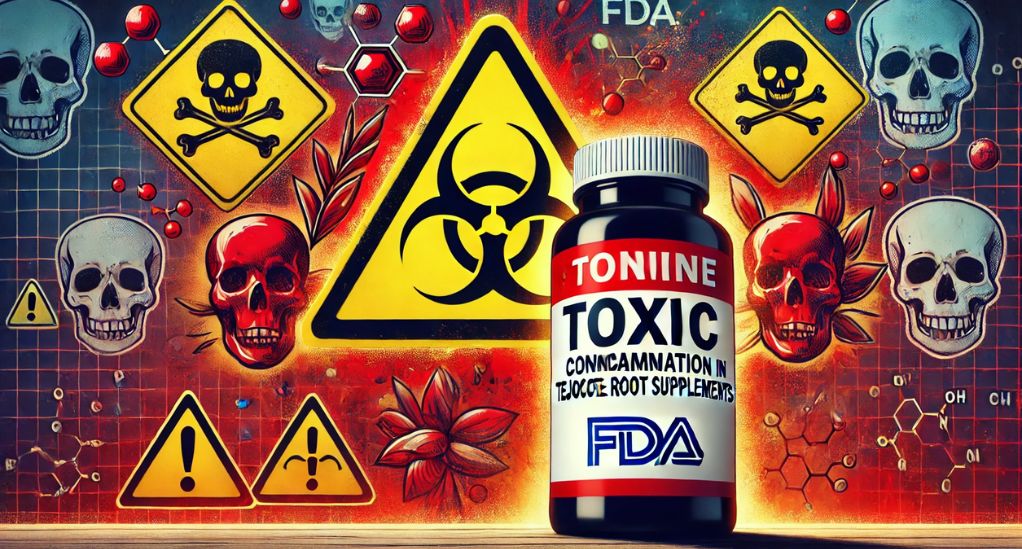
Dangerous Yellow Oleander Found in Popular Weight Loss Products
The U.S. Food and Drug Administration (FDA) issued a critical warning in September 2023, alerting consumers to the dangerous contamination of tejocote root supplements with toxic yellow oleander. The supplements, often marketed for weight loss, were found to contain ingredients that could lead to serious health issues. The warning comes after the FDA discovered yellow oleander in all 23 supplements it tested, prompting concerns over severe risks to public safety.
Toxic Effects of Yellow Oleander

Yellow oleander is a highly toxic plant that can cause a range of harmful effects on the body. The FDA’s testing revealed its presence in every product labeled as tejocote root. Exposure to yellow oleander can trigger neurological, gastrointestinal, and cardiovascular symptoms, potentially leading to coma or even death. These serious health effects underscore the urgent need for caution when purchasing supplements marketed as natural or safe.
The contamination of these weight loss products has already led to tragic incidents. One notable case involved the poisoning of a 23-month-old child in 2022, who was exposed to a mislabeled supplement. The child’s case highlights the severe dangers posed by products containing yellow oleander, especially when sold without proper regulation or accurate labeling.
Products Sold by Major Retailers
The FDA’s warning specifically mentions that these contaminated supplements were being sold by popular online retailers such as Amazon and Etsy. Both platforms have been under scrutiny for allowing the sale of these mislabeled products, some of which were also promoted by influencers on social media. This has raised questions about the accountability of e-commerce platforms in ensuring consumer safety.
In addition to tejocote root supplements, the FDA is also concerned about other products marketed under similar names, including Crataegus mexicana, Raiz de Tejocote, Mexican Hawthorn, and Brazil Seed. These products, often advertised for their health benefits, may also be tainted with yellow oleander, putting more consumers at risk of poisoning.
Amazon Under Scrutiny for Harmful Supplements
Amazon has faced mounting criticism not only for selling these mislabeled supplements but also for allowing other potentially dangerous products to be listed on its platform. The company has been scrutinized for offering dietary supplements containing prescription drug ingredients like sildenafil and tadalafil, both of which are used to treat erectile dysfunction. These ingredients can pose severe health risks if taken without medical supervision, including heart attack, stroke, blindness, and even death.
While Amazon has removed some of the harmful products, experts argue that stricter oversight is needed. The ongoing sale of supplements containing undisclosed prescription drugs has sparked calls for stronger regulation of the online supplement market.
The Need for Tighter Regulation of the Supplement Industry
The growing concerns over the safety of dietary supplements have prompted experts to urge Congress to take more decisive action in regulating the industry. The U.S. dietary supplement market is currently valued at $55 billion, yet it operates with relatively loose oversight compared to other sectors of consumer goods. This lack of regulation has allowed potentially dangerous products to reach consumers with little accountability for manufacturers and sellers.
Studies from The National Institutes of Health (NIH) Office of Dietary Supplements highlight the importance of rigorous testing and accurate labeling standards to prevent such dangerous occurrences. This further supports the need for stronger measures to protect public health and avoid future incidents of poisoning.
Protecting Consumers from Future Risks
In light of these developments, the FDA has advised consumers to exercise caution when purchasing supplements, especially those marketed for weight loss or containing unfamiliar ingredients. It is crucial for consumers to verify the credibility of products and sellers, particularly on online platforms like Amazon and Etsy, where regulatory oversight can be inconsistent.
The discovery of yellow oleander in tejocote root supplements is a stark reminder of the risks associated with unregulated dietary products. Until stricter regulations are put in place, consumers should remain vigilant and prioritize safety when considering the use of supplements.