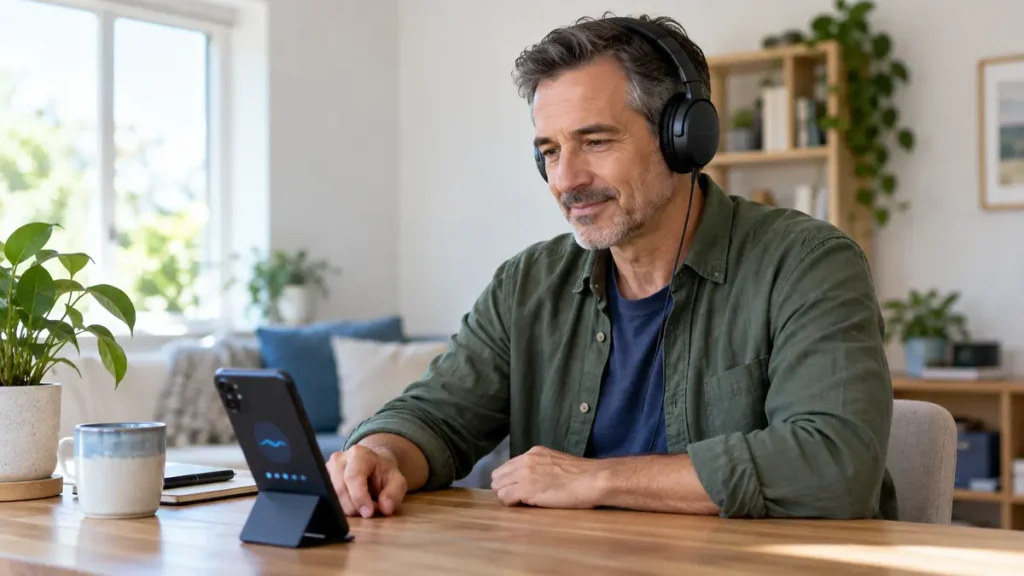
Fitness is changing. Artificial Intelligence (AI) brings customized workout plans, moving away from one-size-fits-all approaches. By analyzing personal data, AI tailors exercises to individual needs, making workouts more effective. This shift towards personalized fitness shows technology’s growing role in helping people meet their exercise goals.
The Rise of AI in Fitness
The integration of Artificial Intelligence (AI) into fitness began as a response to the need for more personalized exercise experiences. Initially, workout routines followed a general approach, not considering individual differences in goals, physical condition, or available resources. As technology advanced, the possibility emerged to use data to tailor fitness plans to each person’s unique profile, leading to the birth of AI in fitness.
This shift started gradually, with developers recognizing the potential of AI to analyze personal health metrics, exercise preferences, and progress over time. By doing so, AI could offer customized workout plans that adapt as the individual improves or their goals change, a significant departure from static, one-size-fits-all workout programs.
Today, the use of AI in fitness is not just popular; it’s becoming a necessary element for many seeking effective, efficient, and engaging workout routines. Its popularity has soared due to the increasing availability of wearable technology and fitness apps capable of tracking and analyzing a wide array of health data. This technology has made it possible for users to receive real-time feedback, further personalizing the workout experience.
Moreover, AI-driven fitness solutions are now seen as essential tools for those who may not have access to personal trainers or the time to plan their workout routines. They offer a convenient and scientifically backed way to ensure that every minute spent exercising is optimized for the individual’s health and fitness goals. As a result, AI in fitness has moved from a novel concept to a core component of modern exercise regimens, crucial for those looking to maximize the benefits of their efforts in an increasingly busy world.
Key Benefits of AI-Powered Fitness Plans
Artificial Intelligence (AI) is revolutionizing the way people exercise by introducing smart, personalized fitness plans. These AI-driven plans are not just about suggesting exercises; they represent a new era of fitness where technology meets personal health goals. Here’s a closer look at the advantages:
- Personalization: AI analyzes a wide range of data, including physical stats, fitness goals, and available equipment, to create workout routines tailored to each individual. This means exercises are specifically designed to match personal capabilities and objectives, making workouts more relevant and effective.
- Adaptive: One of the standout features of AI fitness plans is their ability to adapt. As individuals progress, the AI modifies the plan based on feedback, performance, and changing goals. This dynamic approach ensures workouts remain challenging and engaging, helping to avoid plateaus and maintain continuous improvement.
- Efficiency: AI-driven workouts are designed to maximize results by focusing on the most effective exercises for the individual. This targeted approach helps users achieve their fitness goals faster, making every minute of the workout count. It’s particularly beneficial for those with limited time, offering efficient sessions without compromising on quality.
- Comprehensive Support: Beyond the workout itself, AI-powered fitness plans offer a holistic approach to fitness. They track progress over time, provide insights into workout patterns, and suggest areas for improvement. This comprehensive support extends to offering motivational feedback, making it easier for individuals to stay committed to their fitness journey.
By leveraging the power of AI, fitness plans are becoming more personalized, adaptive, and efficient, offering comprehensive support that goes beyond traditional workout routines. This shift is not just about adopting new technology; it’s about transforming the fitness experience to make personal health goals more attainable and engaging for everyone.
The Human Touch in AI Fitness
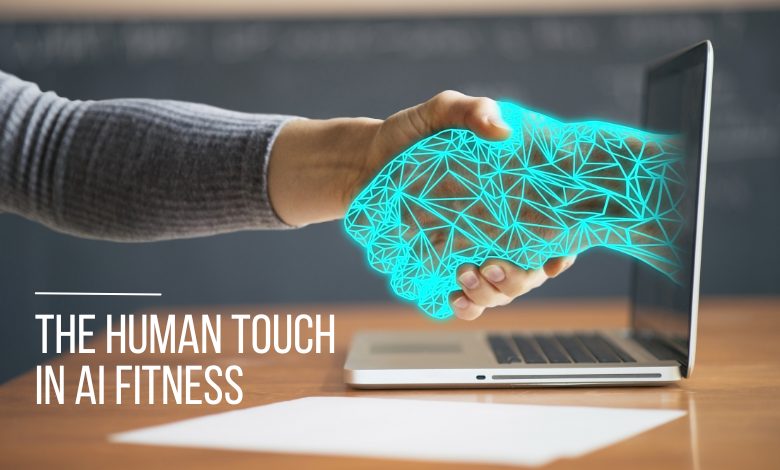
Even as Artificial Intelligence (AI) plays a growing role in fitness, the value of human interaction remains significant. AI fitness apps offer personalized and adaptable workout plans, but they also strive to replicate the motivational support a human trainer provides. Let’s explore how AI attempts to bring the human touch into digital fitness solutions.
- Personalized Motivation: AI fitness applications analyze performance and progress to deliver motivational messages and encouragement, similar to a personal trainer’s supportive words during a challenging workout.
- Feedback and Interaction: Through user input and progress tracking, these apps offer feedback that feels personal and tailored, aiming to engage users in a conversation about their fitness journey.
- Adaptability and Understanding: By adjusting to user feedback and changing fitness levels, AI systems show a level of understanding and flexibility often associated with human coaches, aiming to meet individuals where they are in their fitness journey.
- Social Integration: Many AI fitness apps include features that allow users to connect with others, share achievements, and even compete in challenges, fostering a sense of community and support typically found in fitness classes and groups.
Although AI brings efficiency and personalization to fitness, incorporating elements that mimic the human touch ensures that the journey feels engaging and supportive, highlighting the balance between technology and the intrinsic human need for interaction and encouragement in achieving personal goals.
Overcoming Challenges with AI in Fitness
While AI in fitness brings several advantages, there are challenges that developers and users face. Addressing these issues is crucial for the continued success and acceptance of AI-powered fitness solutions.
- Data Privacy and Security: With fitness apps collecting personal data, ensuring this information’s safety is paramount. Developers are enhancing security measures to protect user data from unauthorized access.
- Customization Limits: Although AI provides personalized workout plans, there’s a challenge in making these plans truly fit every individual’s unique needs and preferences. Ongoing improvements in AI algorithms help narrow this gap.
- User Engagement: Keeping users engaged with the app over time is a challenge. To address this, fitness apps are introducing gamification, social features, and regular updates to keep the workout experience fresh and motivating.
- Access to Technology: Not everyone has access to the devices needed to use these apps to their full potential. Efforts are being made to make AI fitness solutions more accessible across different devices and platforms.
- Balancing AI and Human Elements: Finding the right mix between automated AI guidance and the motivational aspects of human interaction is ongoing. Incorporating community features and interactive feedback helps bridge this gap.
By tackling these challenges, AI in fitness can continue to evolve, offering more personalized, secure, and engaging workout experiences for individuals looking to enhance their physical health.
Conclusion
AI’s role in fitness is transforming exercise routines, making them personalized and efficient. Despite facing challenges like data privacy and maintaining user interest, continuous advancements in AI are improving the fitness journey. This evolution in technology is set to further revolutionize how people achieve their fitness goals, making personalized health and wellness more accessible to all.